US Proposes Easing Environmental Rules for Rocket Launches, Potentially Benefiting SpaceX and Blue Origin
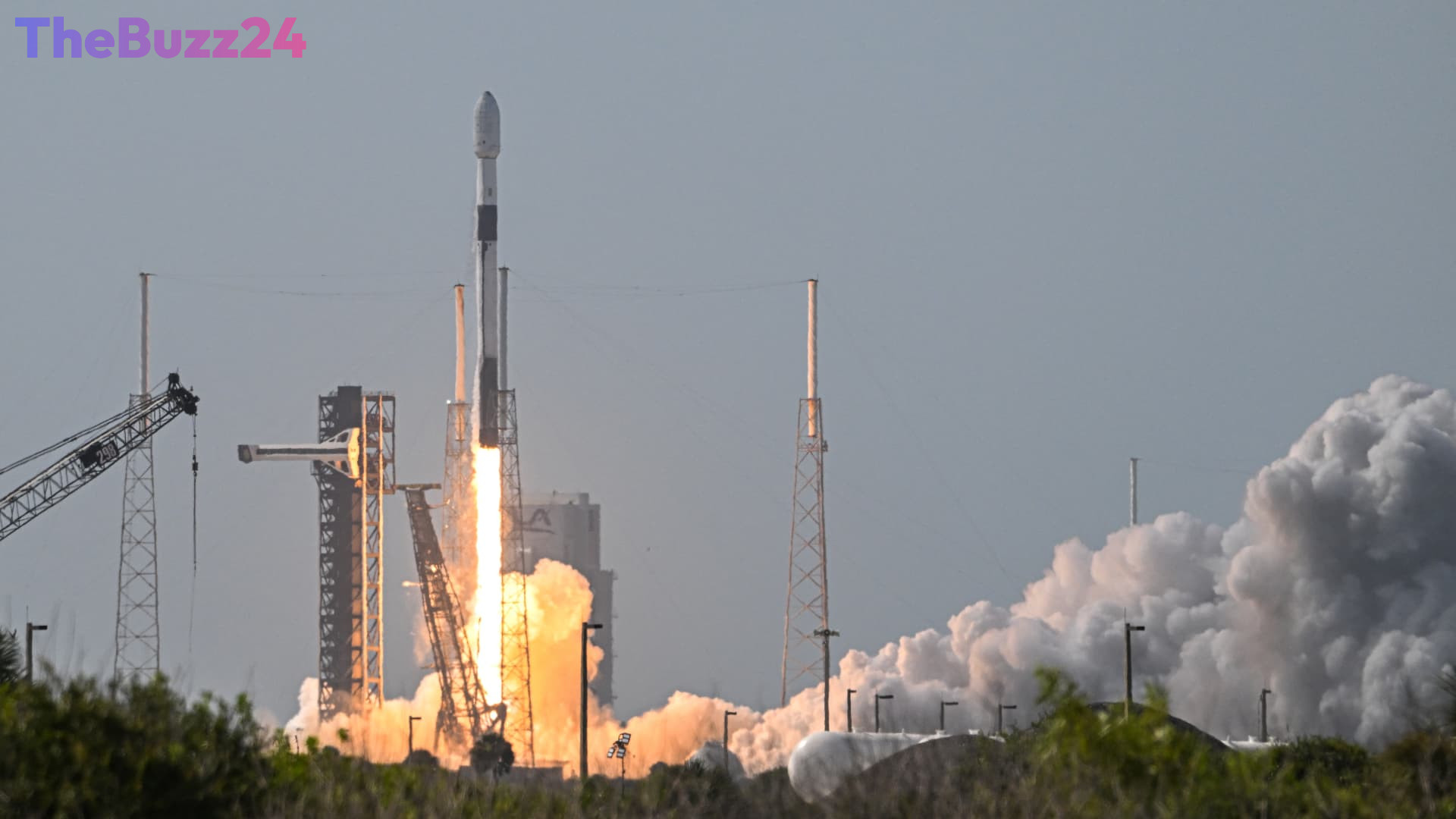
The U.S. government is moving to streamline the approval process for commercial space launches and reentries by proposing a waiver of certain environmental regulations. This initiative, spearheaded by the Federal Aviation Administration (FAA), aims to reduce what is described as “unnecessary environmental laws and regulations,” a move that could significantly benefit major players in the private space industry, including Elon Musk’s SpaceX and Jeff Bezos’s Blue Origin.
The proposed rule would empower the FAA to exempt specific commercial space licenses and permits from compliance with thirteen different laws. These include landmark legislation such as the National Environmental Policy Act, the Endangered Species Act, and provisions within the Clean Water Act and Clean Air Act. The Department of Transportation (DOT), which oversees the FAA, stated that regulations essential for protecting public health, safety, national security, and U.S. foreign policy interests would remain unaffected.
Officials from the DOT highlighted that the increasing volume of commercial space operations, which saw a record 205 launches authorized in the last fiscal year and are projected to reach thousands in the coming decade, has led to burdensome and time-consuming environmental review processes. The administration argues that these requirements often involve redundant studies and overlapping reviews from multiple federal agencies, creating inefficiencies for companies striving to innovate and expand in the burgeoning space sector.
This regulatory adjustment aligns with a broader directive from the Trump administration to foster competition and reduce governmental red tape in the commercial space industry. The proposed rule is now open for a 30-day public comment period, after which the FAA will review all feedback before finalizing the regulations. While companies like SpaceX and Blue Origin were not immediately available for comment, the potential for expedited approvals marks a significant development for the future of private spaceflight.
Key Takeaways
- The FAA is proposing to waive certain environmental regulations to speed up approvals for commercial space launches.
- This change could benefit companies like SpaceX and Blue Origin by reducing regulatory hurdles.
- The proposed rule aims to address the growing number of space operations and associated lengthy review processes.
Editor’s Analysis & Impact
This proposed regulatory shift signals a significant governmental effort to accelerate the pace of commercial space exploration and development. By potentially easing environmental review requirements, the FAA is attempting to remove bottlenecks that have historically slowed down launch approvals. This could provide a substantial advantage to companies like SpaceX and Blue Origin, enabling them to pursue ambitious launch schedules more efficiently. However, the move also raises questions about balancing rapid industry growth with environmental stewardship, particularly given past controversies involving launch sites and ecological impacts. The long-term implications will depend on the final rule and how effectively environmental protections are maintained alongside innovation.
Frequently Asked Questions
Q: Which environmental laws might be waived for rocket launches?
A: The proposed rule could allow waivers for requirements under laws including the National Environmental Policy Act, the Endangered Species Act, and parts of the Clean Water Act and Clean Air Act, among others.
Q: What is the stated reason for proposing these rule changes?
A: The government states the goal is to speed up the approval process for commercial space launches and reentries by eliminating what it considers 'unnecessary environmental laws and regulations' and reducing redundant reviews.
Q: What is the next step for this proposed rule?
A: The proposed rule is subject to a 30-day public comment period, after which the FAA will review the feedback before issuing a final rule.
AI Disclosure: This article is based on verified data and official reports. Our Team and AI have cross-referenced every financial detail with primary sources to ensure total accuracy.
More from this Category