Trump Claims New Tariffs Mirror Supreme Court-Blocked Measures
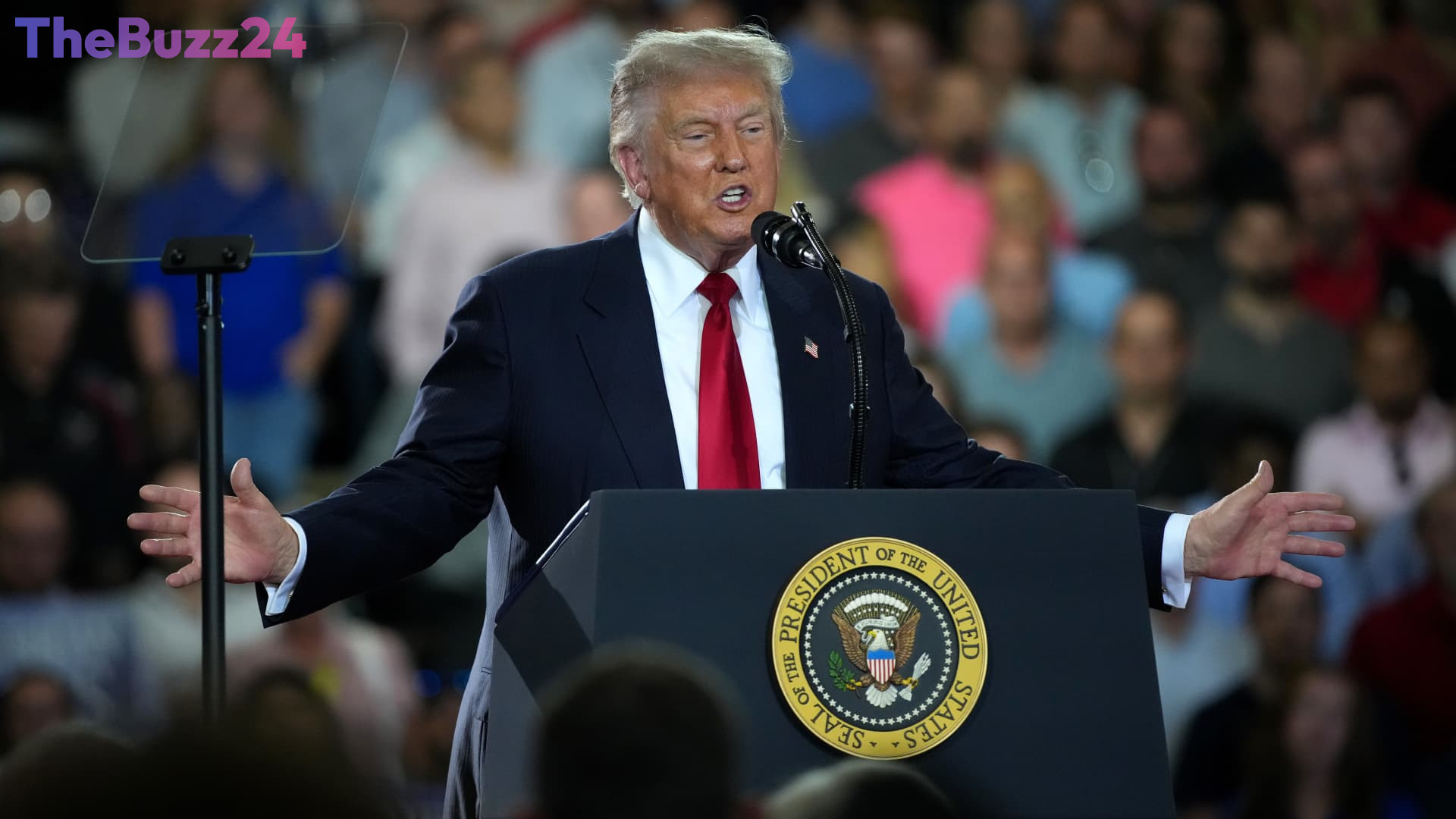
President Donald Trump has asserted that newly implemented U.S. tariffs are functionally equivalent to those previously invalidated by the Supreme Court as unlawful. Speaking in a recent interview, Trump expressed frustration with the legal challenges, stating, “It’s a shame that I have to go a harder way for the tariffs because the Supreme Court, in a very close decision, you know, ruled against me.” He further elaborated that while alternative methods exist to achieve similar trade objectives, they are “more cumbersome.”
These remarks follow a federal lawsuit filed just days prior, which alleges the Trump administration is employing different legal statutes as a pretext to reinstate a broad global tariff system that had previously faced judicial opposition. Legal representatives for the plaintiffs argue that altering the legal basis or stated justification for the tariffs does not legitimize measures deemed unlawful. “This statement bolsters our argument,” stated Sara Albrecht, chairman and CEO of the Liberty Justice Center, the nonprofit organization behind the lawsuit. “The president’s own words indicate that these tariffs are simply another, more cumbersome way of achieving the same result after the Supreme Court ruled against him.”
In addition to the tariff discussions, Trump also indicated a preference for the U.S. to withdraw from its trade agreement with Canada and Mexico, known as the USMCA, rather than engage in renegotiations. When questioned about potential updates to the deal, which the U.S. recently opted not to renew, Trump expressed a desire for independence, stating, “I don’t care. I mean, I don’t really want to. I’d rather be independent.” He emphasized the perceived leverage the U.S. holds in the relationship, asserting, “Mexico and Canada need us. We don’t need them. The deal is important for them. It’s not important for us.”
The administration’s recent imposition of tariffs, ranging from 10% to 12.5% on goods from over 80 countries, is justified on the grounds of combating forced labor practices. These duties, enacted under Section 301 of the Trade Act of 1974, commenced as a prior 10% worldwide tariff, implemented under different statutory authority, reached its 150-day expiration limit. The lawsuit contends that these latest tariffs, despite their stated purpose, are designed to perpetuate a tariff regime that courts have previously found to be unauthorized by Congress. Trump, however, dismissed concerns that his tariff policies could negatively impact the U.S. economy, particularly in light of rising cost-of-living issues, claiming instead that they have generated significant revenue for the country.
Key Takeaways
- President Trump claims new U.S. tariffs are a more complex but functionally similar alternative to those struck down by the Supreme Court.
- A federal lawsuit alleges the administration is using different statutes to re-establish a previously rejected global tariff regime.
- Trump also expressed a preference for the U.S. to leave the USMCA trade deal with Canada and Mexico rather than renegotiate it.
Editor’s Analysis & Impact
This situation highlights a persistent tension between executive trade policy and judicial review, particularly concerning the use of tariffs. The administration’s strategy of employing different statutory authorities to implement measures similar to those previously blocked suggests a determined effort to exert trade leverage, even in the face of legal setbacks. The legal challenges underscore the ongoing debate about the scope of presidential authority in imposing trade restrictions. The comments regarding the USMCA also signal potential shifts in North American trade relations, with implications for businesses and economies reliant on these agreements. The broader economic impact of these tariff strategies remains a key concern, especially as they coincide with domestic economic pressures.
Frequently Asked Questions
Q: What is the USMCA?
A: The USMCA, or United States-Mexico-Canada Agreement, is a trilateral trade agreement that replaced the North American Free Trade Agreement (NAFTA). It governs trade relations between the three North American countries.
Q: What is Section 301 of the Trade Act of 1974?
A: Section 301 grants the U.S. President broad authority to take action against unfair trade practices by foreign countries. This has been used by administrations to impose tariffs on imported goods.
Q: Why did the Supreme Court strike down previous tariffs?
A: The specific reasons for the Supreme Court's ruling would depend on the case, but generally, courts can strike down tariffs if they are found to exceed the statutory authority granted by Congress or violate other laws.
AI Disclosure: This article is based on verified data and official reports. Our Team and AI have cross-referenced every financial detail with primary sources to ensure total accuracy.
More from this Category