Regional Tensions Surge as US and Saudi Arabia Strike Iran-Backed Militias in Iraq
A significant escalation in Middle Eastern hostilities has unfolded as the United States and Saudi Arabia launched coordinated military strikes against Iran-aligned militias operating within Iraq. The operation targeted logistics and weapons facilities across several Iraqi provinces, including Baghdad, Nineveh, and Basra, following a series of aggressive drone attacks directed at US personnel and Saudi energy infrastructure. Officials confirmed that the strikes were a direct response to over 30 aerial drone incursions recorded within a 72-hour window.
The Popular Mobilisation Forces (PMF), an umbrella organization of militias integrated into the Iraqi security apparatus, reported at least 20 fatalities and dozens of injuries among its ranks. The PMF condemned the military action as a violation of Iraqi sovereignty, while the Saudi defense ministry maintained that the strikes were a necessary exercise of the right to self-defense against persistent aggression. This latest military engagement follows a brief period of relative calm, effectively ending hopes for a diplomatic resolution to the ongoing regional instability.
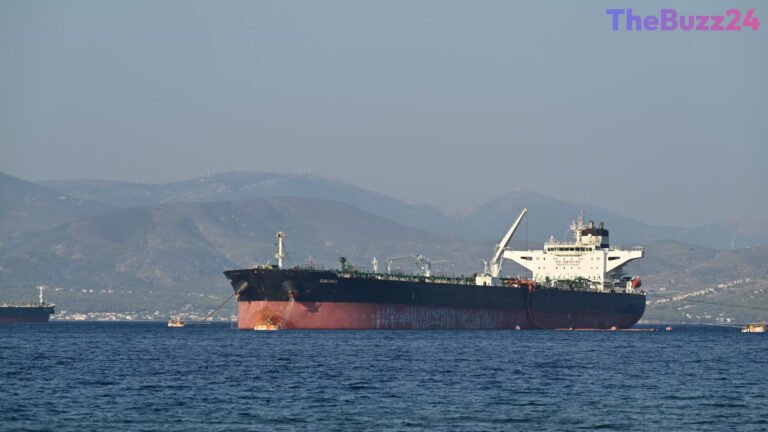
The conflict has further intensified with reports of missile launches targeting US military assets in Jordan and naval confrontations in the Strait of Hormuz. Iranian forces allegedly struck three oil tankers in the vital waterway, citing unauthorized transit, while simultaneously launching missiles at US command centers. These developments have triggered immediate reactions in global energy markets, with Brent crude prices climbing over 4% as concerns mount regarding the potential for further disruption to global oil shipments.
As the situation remains volatile, the broader geopolitical landscape is complicated by the ongoing military operations involving US and Israeli forces. With hundreds of service members wounded since the commencement of hostilities in February, the strategic focus remains on the control of the Strait of Hormuz and the containment of proxy networks. Both Washington and Riyadh have signaled a preference for de-escalation, yet both nations have vowed to respond decisively to any further threats against their interests or regional stability.
Key Takeaways
- The US and Saudi Arabia conducted joint strikes against Iran-backed militias in Iraq in response to drone attacks on energy facilities and military personnel.
- The Popular Mobilisation Forces reported significant casualties, labeling the strikes a violation of Iraqi sovereignty.
- Global oil prices surged by over 4% due to fears that the escalating conflict could disrupt critical shipping routes in the Strait of Hormuz.
Editor’s Analysis & Impact
The recent military escalation marks a dangerous inflection point in the ongoing conflict between the US-Saudi coalition and Iran-backed proxies. By targeting logistics hubs across Iraq, the coalition is attempting to degrade the operational capacity of the IRGC-aligned networks. However, the retaliatory nature of these strikes risks a cycle of violence that could spiral into a broader regional war. The immediate impact on energy markets—specifically the spike in Brent crude—highlights the fragility of global supply chains dependent on the Strait of Hormuz. Looking ahead, the ability of the US to balance its military objectives with diplomatic pressure will be critical. If the current trajectory continues, the risk of a sustained, high-intensity conflict remains high, likely forcing further market volatility and potential shifts in regional security alliances.
Frequently Asked Questions
Q: Why did the US and Saudi Arabia conduct strikes in Iraq?
A: The strikes were a retaliatory measure following more than 30 drone attacks directed at US forces and Saudi energy infrastructure by Iran-backed militias.
Q: How has the conflict affected global oil prices?
A: Concerns over the security of the Strait of Hormuz and potential supply disruptions caused Brent crude prices to rise by approximately 4.3%.
AI Disclosure: This article is based on verified data and official reports. Our Team and AI have cross-referenced every financial detail with primary sources to ensure total accuracy.
More from this Category