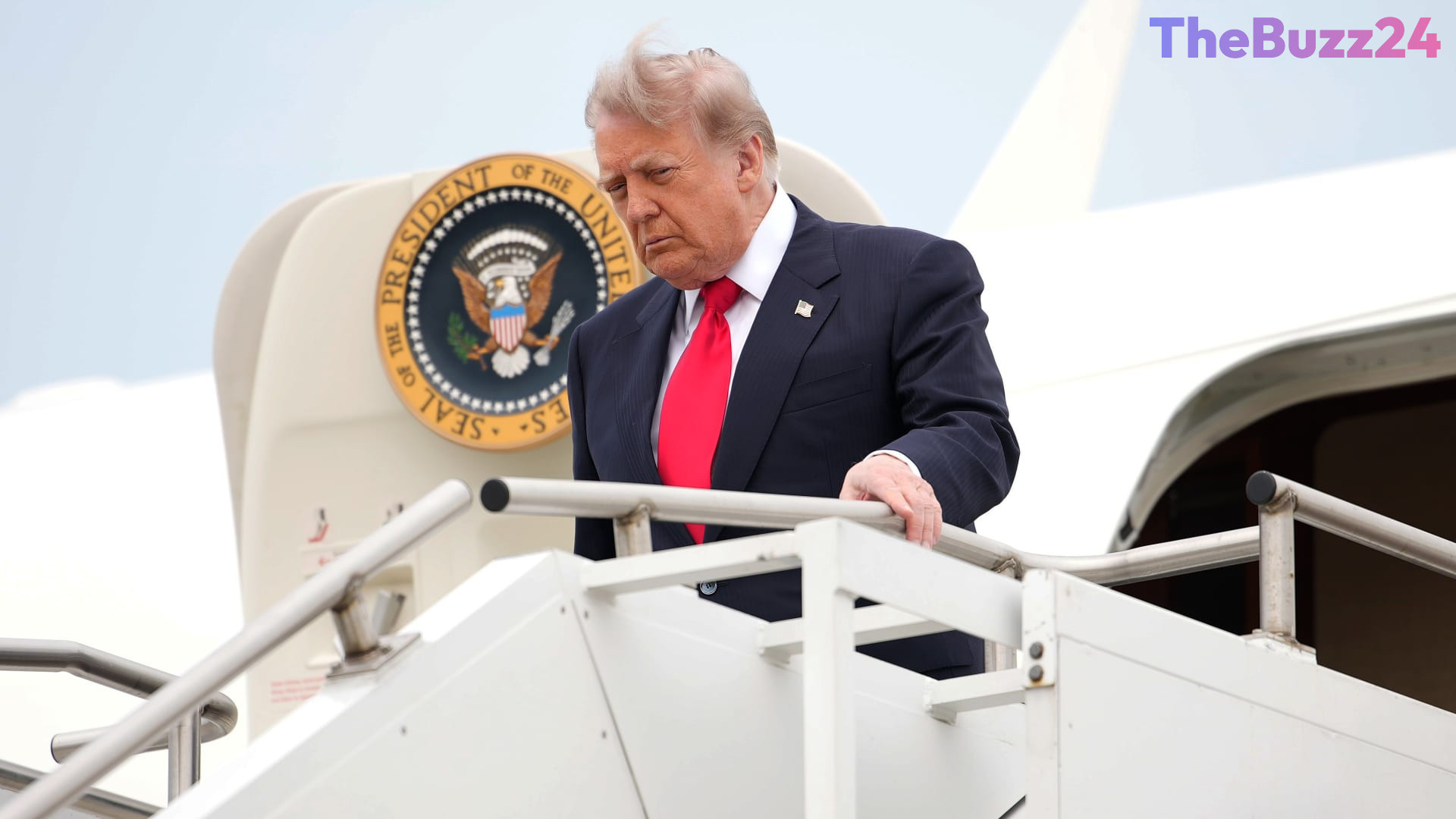
Inside the $858 Million Investment Portfolio of President Donald Trump
President Donald Trump’s 2025 annual financial disclosure has provided a rare glimpse into the complex financial machinery supporting his $858 million investment portfolio. The documents reveal that major financial institutions, including JPMorgan Chase, Charles Schwab, UBS, and Stephens Inc., are deeply involved in managing his assets across eight distinct investment accounts. This disclosure marks a significant increase in both asset value and trading activity, with over 21,000 trades recorded throughout the year.
The management of these assets relies heavily on automated strategies, specifically direct indexing, which allows software to handle rebalancing and tax-loss harvesting without manual intervention. According to the Trump Organization, these outside firms maintain full discretionary authority over investment decisions. This structure is intended to mitigate potential conflicts of interest, with representatives from the administration asserting that no such conflicts exist regarding the president’s financial holdings.
Despite these assurances, the involvement of major banks with a sitting president presents unique compliance and reputational challenges. Financial experts note that a president is typically classified as a ‘politically exposed person’ (PEP), requiring enhanced scrutiny and real-time monitoring under anti-money-laundering regulations. While the institutions involved have largely declined to comment on specific client relationships, the scale of the portfolio and the high volume of transactions underscore the significant role these firms play in the president’s personal wealth management.
Unlike the traditional blind trusts utilized by many of his predecessors, much of the president’s wealth remains in a revocable trust where he serves as the sole beneficiary. While the Trump Organization maintains that the family does not direct individual trades, the arrangement continues to draw attention from ethics experts who monitor the intersection of personal financial interests and executive authority. As the portfolio continues to grow and evolve, the relationship between these financial giants and the executive branch remains a focal point of public and regulatory interest.
Key Takeaways
- President Trump's 2025 financial disclosure reveals at least $858 million in assets managed across eight accounts by firms including JPMorgan Chase, Charles Schwab, and UBS.
- The portfolio recorded over 21,000 trades in 2025, largely driven by automated direct-indexing strategies rather than manual intervention.
- Financial experts highlight that managing a sitting president's assets involves significant 'politically exposed person' (PEP) compliance risks and heightened regulatory scrutiny.
Editor’s Analysis & Impact
The disclosure of President Trump’s investment portfolio highlights a complex intersection between private wealth management and public office. From a market perspective, the reliance on automated direct-indexing strategies reflects a broader industry trend toward algorithmic portfolio management among ultra-high-net-worth individuals. However, the broader implication lies in the reputational and regulatory burden placed on major financial institutions. By serving a sitting president, these banks accept ‘extraordinary’ compliance risks, necessitating rigorous, real-time monitoring to satisfy anti-money-laundering standards. The future outlook suggests that as long as the president maintains significant domestic and foreign business interests, these financial relationships will remain under intense scrutiny. The tension between the ‘revocable trust’ structure and the standard ‘blind trust’ model used by previous administrations will likely continue to fuel debates regarding transparency and potential conflicts of interest in the executive branch.
Frequently Asked Questions
Q: Why does the president's portfolio have such a high volume of trades?
A: The high volume of trades is primarily attributed to 'direct indexing,' an automated investment strategy where software continuously buys, sells, and rebalances individual stocks to track a benchmark index and optimize tax outcomes.
Q: What is a 'politically exposed person' (PEP) in banking?
A: A PEP is an individual who holds a prominent public position. Banks are required to apply enhanced due diligence and ongoing monitoring to these clients due to the increased risk of potential involvement in bribery, corruption, or money laundering.
Q: How does this portfolio differ from a traditional blind trust?
A: A traditional blind trust is managed by an independent trustee with no communication with the beneficiary. Much of the president's wealth is held in a revocable trust where he remains the sole beneficiary, allowing for more control and less separation than a standard blind trust.
AI Disclosure: This article is based on verified data and official reports. Our Team and AI have cross-referenced every financial detail with primary sources to ensure total accuracy.
More from this Category