Procter & Gamble Navigates Mixed Quarter Amidst Shifting Consumer Demand and Flat Volume Growth
Procter & Gamble (P&G) reported a mixed performance for its fiscal fourth quarter, with earnings per share surpassing Wall Street’s projections, yet revenue falling short of expectations. The consumer goods giant posted net sales of $21.2 billion, a 2% increase year-over-year, but this figure was below the anticipated $21.38 billion. Notably, the company’s organic revenue, which excludes the impact of acquisitions, divestitures, and currency fluctuations, remained unchanged for the quarter, reflecting flat volume across its extensive product portfolio.
The company’s net income attributable to P&G for the quarter stood at $3.04 billion, or $1.26 per share, a decrease from $3.62 billion, or $1.48 per share, reported in the same period last year. Excluding certain one-time items, P&G’s adjusted earnings reached $1.43 per share. This performance comes as P&G, like many in the consumer sector, observes a softening in demand. Consumers are increasingly becoming value-conscious, opting for larger value packs or extending the lifespan of their products, a trend that has impacted volume growth.
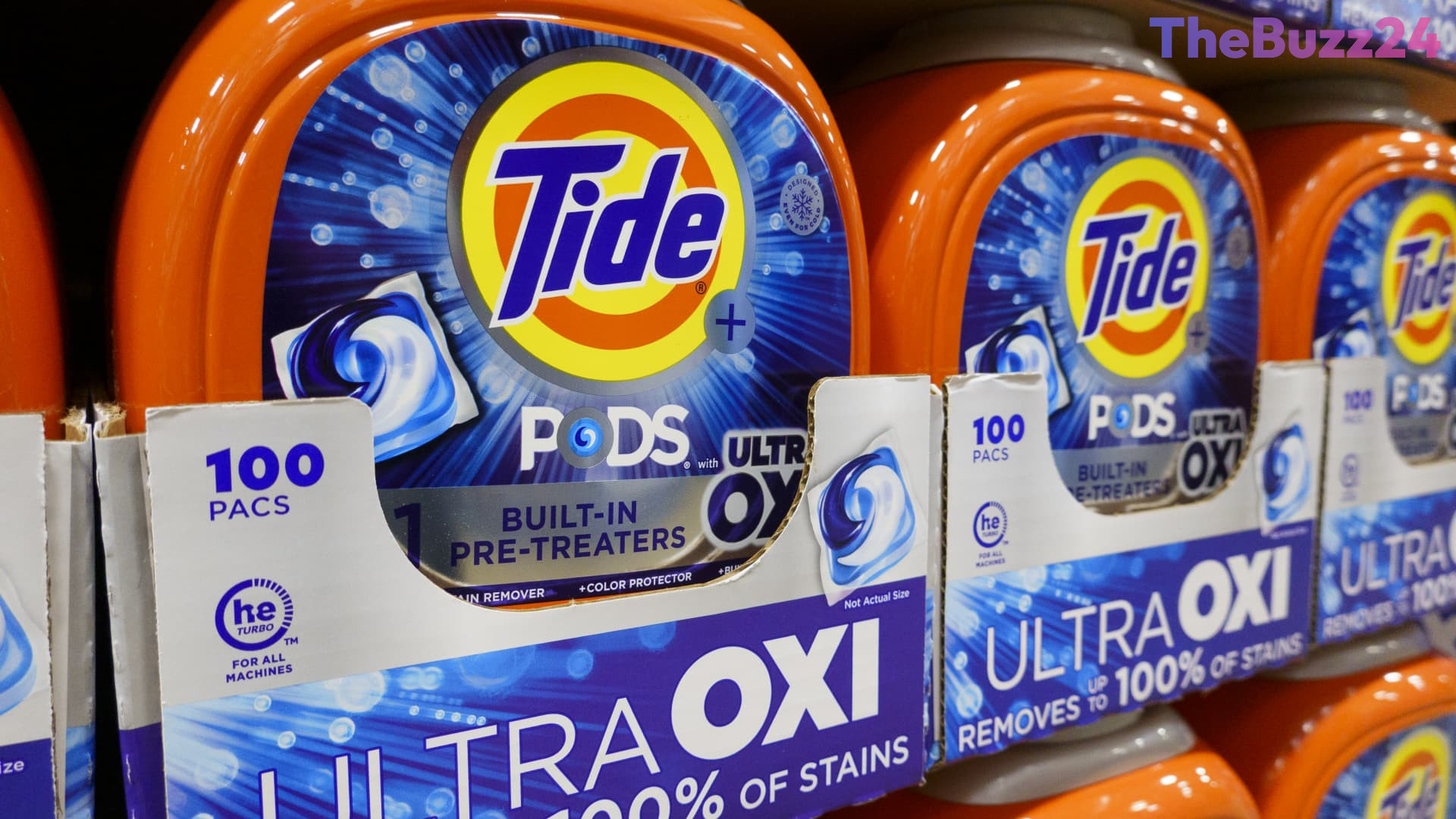
Addressing the results, CFO Andre Schulten acknowledged improving global share trends but noted that headline figures were affected by U.S. trade dynamics and a surge in input costs. Schulten outlined a strategic shift for future growth, moving away from a model where 100% of growth was driven by price increases in the post-COVID period. P&G aims to return to a more balanced approach, fostering sales growth through a combination of both price adjustments and increased volume. The company is intensifying its focus on innovation, bolstering core brands like Tide, and increasing media spend to effectively reach consumers in a fragmented digital landscape that now includes shopping agents and AI-powered search.
Segment-wise, P&G’s Beauty division, home to brands such as Pantene, Olay, and SK-II, emerged as the top performer with a 3% volume growth in the fiscal fourth quarter. The Fabric and Home Care division, which includes Tide detergent and Swiffer, also saw a modest 1% rise in volume. Conversely, the Baby, Feminine, and Family Care division, along with the Grooming business, each reported a 1% decline in volume. The Health Care division, encompassing Oral-B and Vicks, was the weakest link, experiencing a 3% volume contraction primarily due to declining oral care sales. Looking ahead to fiscal 2027, P&G projects core earnings per share between $6.89 and $7.11 and all-in sales growth of 1% to 3%, while anticipating a $1 billion headwind from higher raw material, energy, and transportation costs. Additionally, P&G announced that CEO Shailesh Jejurikar will assume the role of chair of the board, effective August 1.
Key Takeaways
- Procter & Gamble exceeded EPS estimates but missed revenue expectations, with net sales rising 2% to $21.2 billion, while organic revenue remained flat due to unchanged volume.
- The company is shifting its growth strategy from solely price-driven increases to a more balanced model incorporating both price and higher volume, in response to weakening consumer demand and value-conscious shoppers.
- The Beauty and Fabric & Home Care divisions showed volume growth, while Health Care was the weakest performer; CEO Shailesh Jejurikar will also become chair of the board.
Editor’s Analysis & Impact
Procter & Gamble’s latest earnings report underscores the persistent challenges facing consumer goods giants in a dynamic economic environment. The flat volume growth and revenue miss, despite an EPS beat, highlight how inflationary pressures and a more discerning consumer base are impacting even established brands. This forces a strategic pivot from purely price-driven growth to a more balanced approach, signaling a maturing market where innovation and value proposition will be critical.
The cautious fiscal 2027 outlook, coupled with significant cost headwinds, suggests that P&G and its peers will need to intensify investments in R&D, targeted marketing, and supply chain efficiencies. The emphasis on digital commerce and AI-powered search also points to an evolving marketing landscape. This trend could lead to increased competition, more aggressive promotional activities, and a greater focus on product differentiation across the consumer staples sector as companies vie for market share amidst shifting purchasing habits.
Frequently Asked Questions
Q: What were Procter & Gamble's key financial results for the fiscal fourth quarter?
A: Procter & Gamble reported earnings per share that surpassed Wall Street estimates, but its revenue of $21.2 billion fell short of the $21.38 billion expected. Net sales increased by 2%, though organic revenue remained flat due to unchanged volume.
Q: Which P&G divisions performed best and worst in terms of volume growth?
A: The Beauty division led with 3% volume growth, followed by Fabric & Home Care with 1% growth. The Health Care division was the weakest performer, experiencing a 3% decline in volume, primarily due to falling oral care sales.
Q: What is P&G's strategy for future growth?
A: P&G plans to shift from a growth model solely driven by price increases to a more balanced approach incorporating both price adjustments and higher sales volume. This involves focusing on innovation, strengthening core brands, and increasing media spending to connect with consumers in an increasingly fragmented digital landscape.
AI Disclosure: This article is based on verified data and official reports. Our Team and AI have cross-referenced every financial detail with primary sources to ensure total accuracy.
More from this Category