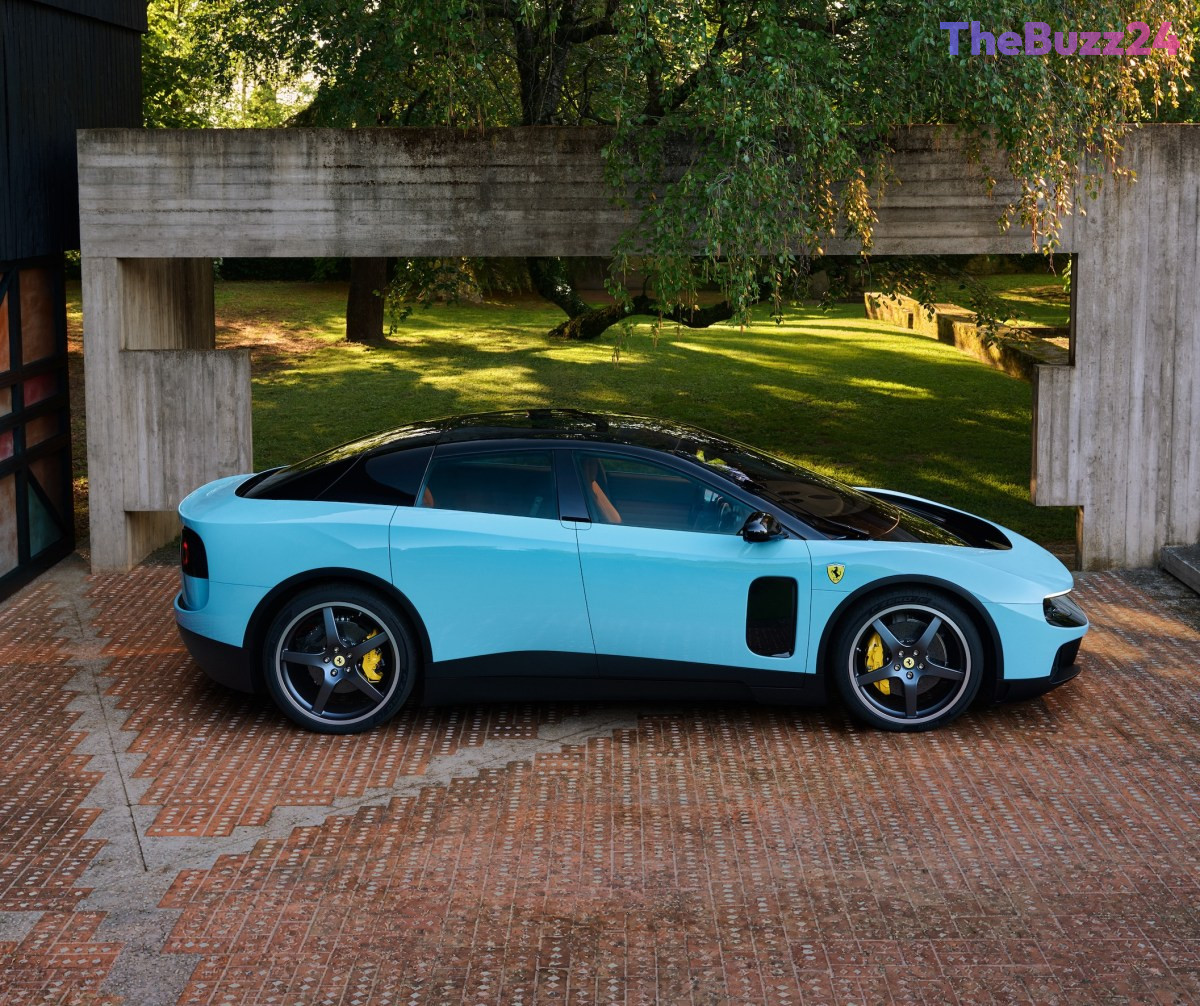
Ferrari Defies Skeptics as Demand for ‘Luce’ EV Surges
When Ferrari unveiled the Luce, its inaugural electric vehicle, the automotive world was met with a wave of skepticism. Critics were quick to dismiss the wedge-shaped, five-seater design, drawing unfavorable comparisons to mass-market electric vehicles and questioning the brand’s ability to transition into the EV space. The initial market reaction was sharp, with Ferrari’s stock price dipping 8% immediately following the announcement as analysts predicted the vehicle would struggle to find its footing.
However, the narrative surrounding the Luce has shifted dramatically in the months since its debut. Ferrari has successfully reached its annual sales target for the model in just two months, proving that the brand’s loyal customer base remains undeterred by aesthetic critiques. With a price tag of €555,000, the vehicle has seen significant interest, including strong demand from the Chinese market, which has shown a particular affinity for high-performance, luxury electric four-doors.
The success of the Luce highlights the unique position Ferrari holds within the luxury automotive sector. Designed in collaboration with Jony Ive and his firm, LoveFrom, the vehicle appears to have resonated more effectively in person than through digital imagery. By leveraging a customer base that is largely price-insensitive and deeply committed to the brand, Ferrari has demonstrated that the prestige of the ‘prancing horse’ remains a powerful driver of sales, even when venturing into new technological territory.
Key Takeaways
- Ferrari met its annual sales target for the Luce EV within just two months of release.
- Despite initial criticism regarding the vehicle's design and market viability, demand remains high among the brand's affluent customer base.
- The Chinese market has emerged as a key region for the Luce, accounting for a significant portion of the initial sales volume.
Editor’s Analysis & Impact
The rapid sell-through of the Luce serves as a case study in brand equity. Ferrari has successfully navigated the ‘innovator’s dilemma’ by maintaining its core identity while adopting electric propulsion. The market impact here is significant; it signals to other ultra-luxury manufacturers that their clientele is willing to embrace electrification provided the performance and exclusivity remain intact. Future outlooks suggest that Ferrari will likely accelerate its EV roadmap, as the Luce has effectively de-risked the transition. The broader implication is that for heritage luxury brands, the ‘Ferrari factor’—a combination of status, performance heritage, and scarcity—can override traditional market concerns regarding design subjectivity or the shift away from internal combustion engines.
Frequently Asked Questions
Q: How many units of the Ferrari Luce were planned for the initial sales target?
A: Ferrari aimed to sell just under 500 units of the Luce for its initial production run.
Q: Who was involved in the design of the Ferrari Luce?
A: The Luce was largely designed by Jony Ive and his design firm, LoveFrom.
AI Disclosure: This article is based on verified data and official reports. Our Team and AI have cross-referenced every financial detail with primary sources to ensure total accuracy.
More from this Category