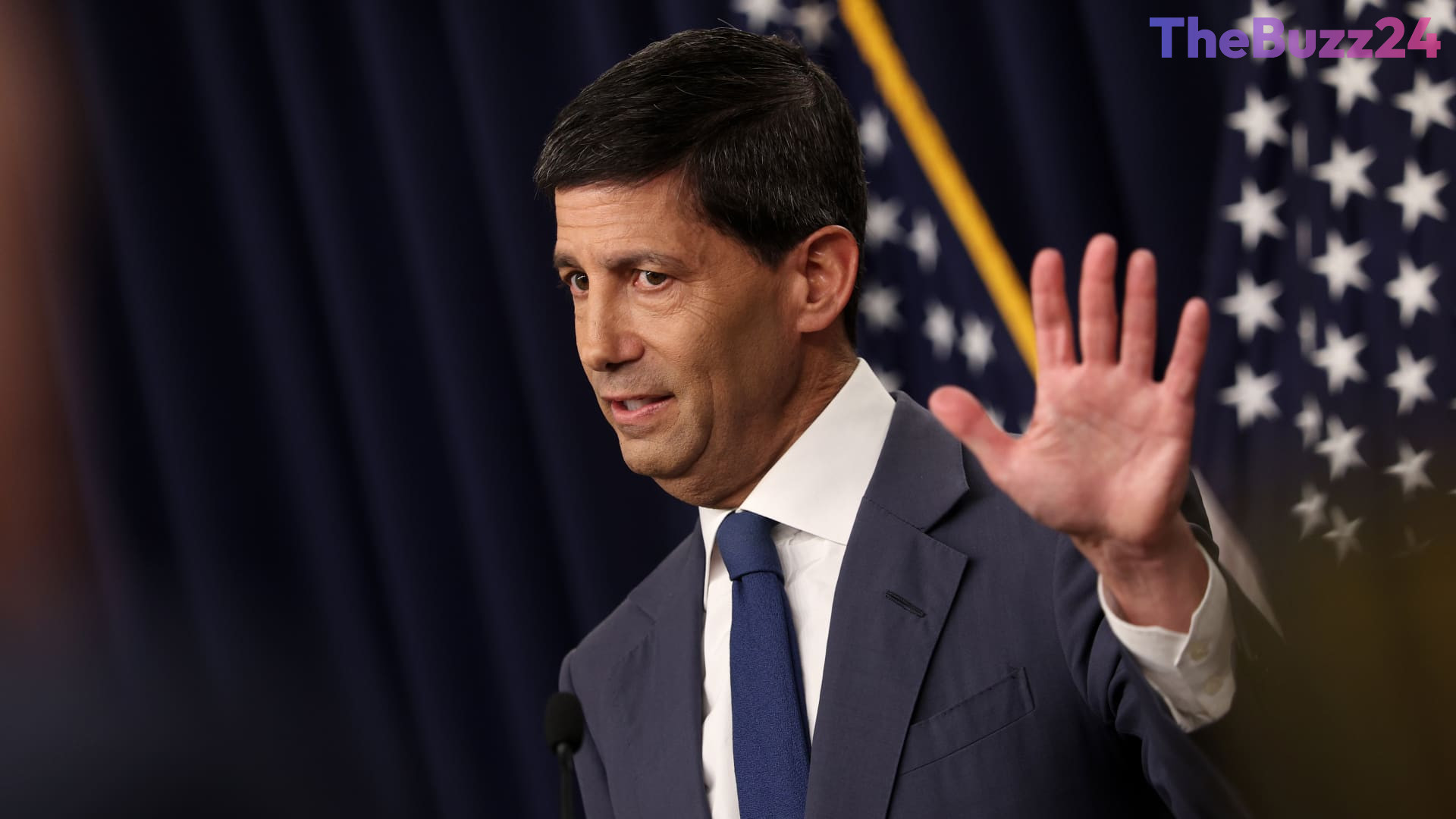
Bond Markets Flash Warning Signals as a Divided Federal Reserve Hints at Future Rate Hikes
Financial markets experienced a sharp downturn following the Federal Reserve’s latest policy meeting, as investors digested a surprisingly hawkish stance and a rare surge in internal dissent. While the central bank opted to maintain steady interest rates under the leadership of Chairman Kevin Warsh, the decision was far from unanimous. Three policymakers broke ranks to advocate for immediate rate increases, marking the highest level of committee dissent seen in nearly a decade and fueling speculation that monetary tightening could return as early as September.
The S&P 500 tumbled 1.5% in the wake of the announcement, recording what market historians noted as the worst performance for a new central bank chief’s second policy meeting in modern history. The blue-chip Dow Jones Industrial Average suffered a decline of over 2%, while the technology-heavy Nasdaq Composite slid more than 10% from its all-time high, culminating in its sixth consecutive losing session. Meanwhile, fixed income markets reacted violently, with the 30-year Treasury yield surging to its highest level since July 2007 as bond investors signaled that aggressive action will be necessary to combat persistent inflationary pressures.
Market participants and economic strategists are now actively reassessing their portfolios in light of the shifting monetary landscape. Futures trading indicators point toward a growing probability of a quarter-point rate increase at the upcoming autumn meeting. Analysts note that the central bank remains hyper-focused on steering annual inflation back down to its elusive 2% target, even if achieving that goal requires enduring heightened market volatility and utilizing further policy tightening measures in the months ahead.
Key Takeaways
- Three Federal Reserve policymakers dissented to call for immediate rate hikes, signaling growing hawkish sentiment within the central bank.
- Major stock indices dropped significantly following the announcement, with the S&P 500 and Dow Jones experiencing sharp session losses.
- Treasury yields climbed steeply, with the 30-year yield hitting levels not seen since 2007 as bond markets demand stronger action against inflation.
Editor’s Analysis & Impact
The latest Federal Reserve meeting marks a critical psychological and structural shift for financial markets as they adapt to a new era of central bank leadership under Kevin Warsh. The high degree of internal dissent demonstrates that the consensus around a prolonged monetary pause is fracturing, giving undeniable momentum to the hawkish faction. For investors, this environment means that traditional playbooks relying on steady, predictable rate trajectories must be rewritten. The sharp reaction in the bond market—specifically the surge in long-term yields—acts as a direct message from fixed-income vigilantes who remain unconvinced that current policy is restrictive enough to sustainably conquer inflation. Looking ahead, market participants should brace for persistent volatility surrounding key macroeconomic data releases, as every upcoming inflation report will essentially serve as a referendum on whether a September rate hike becomes an inevitability.
Frequently Asked Questions
Q: Why did the stock market fall after the Federal Reserve's decision?
A: Markets retreated because the Fed maintained a hawkish tone and a record three policymakers dissented in favor of higher interest rates, leading investors to price in a potential rate hike as early as September.
Q: What did the bond market signal following the meeting?
A: Fixed-income investors pushed Treasury yields higher, with the 30-year yield reaching its highest mark since 2007, indicating that the bond market expects the central bank to tighten monetary policy further to combat inflation.
AI Disclosure: This article is based on verified data and official reports. Our Team and AI have cross-referenced every financial detail with primary sources to ensure total accuracy.
More from this Category