NASA and SpaceX Push Forward with Wind Tunnel Trials for Advanced Starship Rocket
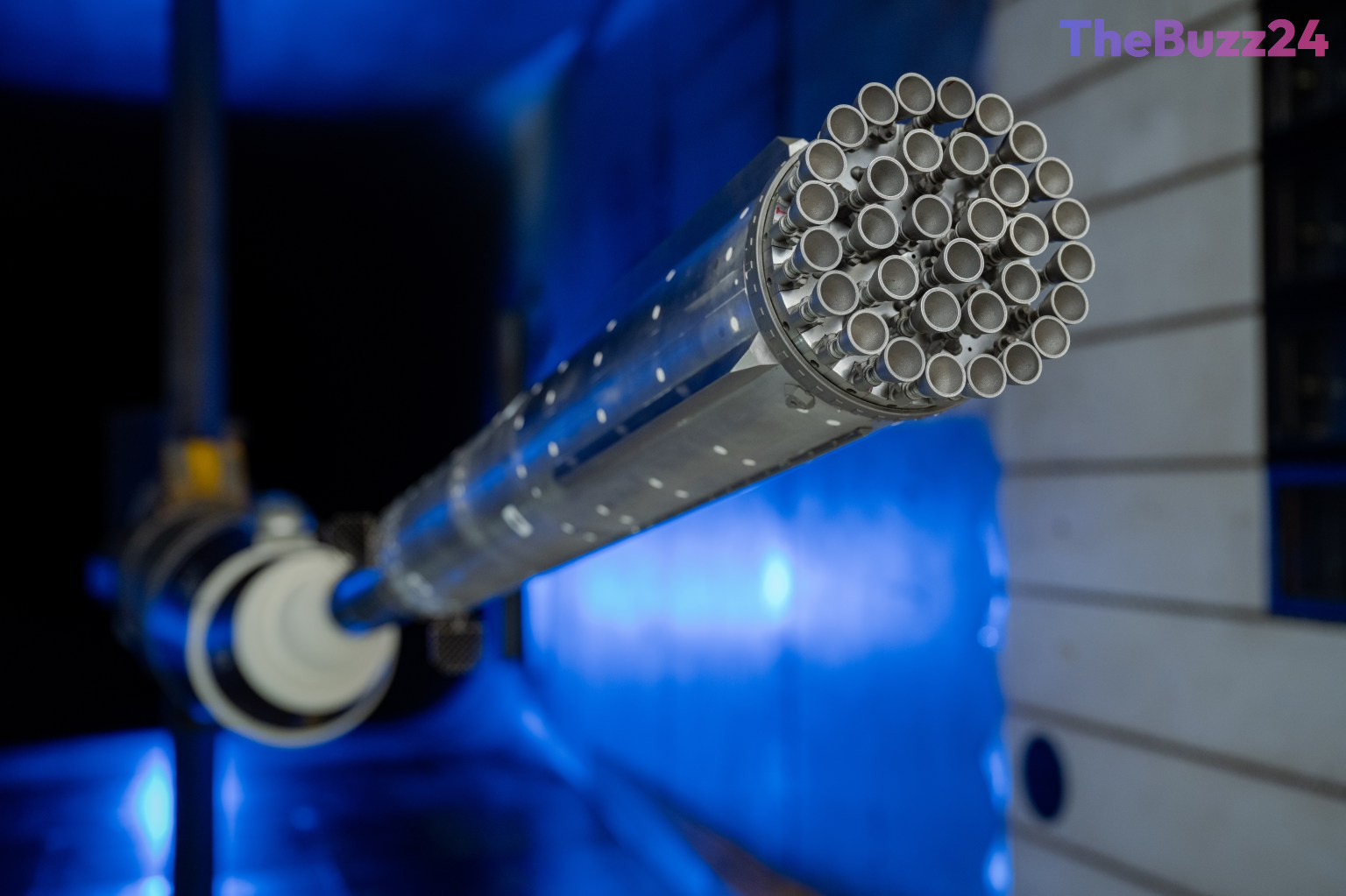
Engineers are actively subjecting a meticulous 1.2% scale model of the Super Heavy Version 3 rocket to rigorous transonic and supersonic wind tunnel evaluations. These comprehensive assessments are designed to map out and thoroughly understand the extreme aerodynamic stresses the heavy-lift vehicle will encounter as it plummets back through the atmosphere during atmospheric re-entry.
The ongoing testing phase represents a critical milestone in preparing for upcoming lunar exploration initiatives, specifically the Artemis III demonstration mission. By utilizing specialized testing facilities located in California’s Silicon Valley, technical teams can carefully analyze both steady and unsteady air flows across the modernized booster structure. This data directly feeds into advanced flight software, ensuring the massive rocket can be guided securely and reliably upon returning to its launch site for future reuse.
The updated Version 3 configuration incorporates substantial design modifications compared to its predecessors. Notable upgrades include the integration of Raptor 3 engines, a streamlined base architecture omitting traditional skirts and heat shields, a reduced count of larger gridfins, and a newly implemented hot-staging mechanism. Because these significant alterations change how air interacts with the vehicle during high-speed flight, empirical wind tunnel data remains indispensable for validating structural integrity and performance parameters ahead of operational deployment.
Key Takeaways
- NASA and SpaceX are conducting extensive transonic and supersonic wind tunnel tests on a 1.2% scale model of the Super Heavy Version 3 rocket.
- The trials focus heavily on evaluating steady and unsteady aerodynamic forces experienced during atmospheric re-entry.
- Version 3 features major upgrades, including Raptor 3 engines, larger gridfins, and an integrated hot stage to support upcoming lunar missions.
Editor’s Analysis & Impact
The ongoing collaboration between public space agencies and private aerospace manufacturers highlights a transformative shift in modern space exploration logistics. By sharing specialized state-of-the-art testing infrastructure, developers can drastically accelerate the safety and reliability verification of heavy-lift launch systems. The introduction of upgraded architectures like the Super Heavy Version 3 points toward a more rapid iteration cycle in commercial rocketry, directly impacting the economic feasibility of frequent lunar missions and long-term interplanetary travel. As these rigorous aerodynamic datasets are integrated into flight software, the aerospace sector moves closer to achieving fully reusable, high-cadence heavy launch operations.
Frequently Asked Questions
Q: What is the purpose of the wind tunnel tests for the Super Heavy Version 3?
A: The tests measure steady and unsteady aerodynamic forces and pressures to understand how the rocket handles extreme atmospheric re-entry conditions.
Q: What major changes are featured in the Super Heavy Version 3 booster?
A: Version 3 includes upgraded Raptor 3 engines, three larger gridfins instead of four, an integrated hot stage, and the removal of the engine section skirt and base heat shield.
Q: Which upcoming mission will utilize the Starship Human Landing System?
A: The Starship Human Landing System is slated to support the Artemis III demonstration mission and subsequent crewed lunar landings.
AI Disclosure: This article is based on verified data and official reports. Our Team and AI have cross-referenced every financial detail with primary sources to ensure total accuracy.
More from this Category