NASA Unveils State-of-the-Art Wind Tunnel to Revolutionize Aerospace Testing
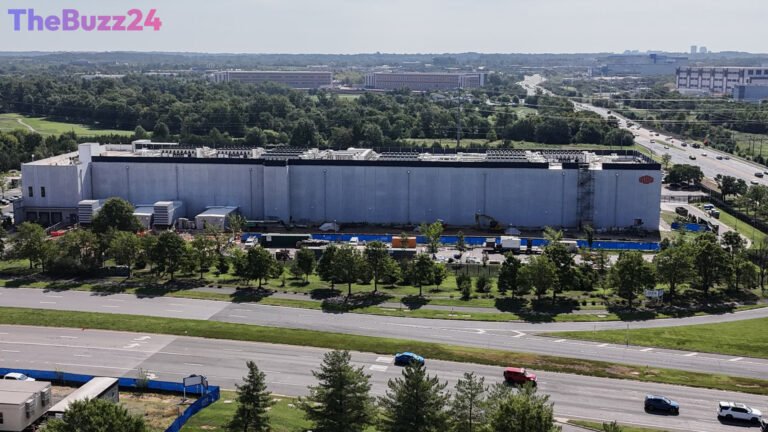
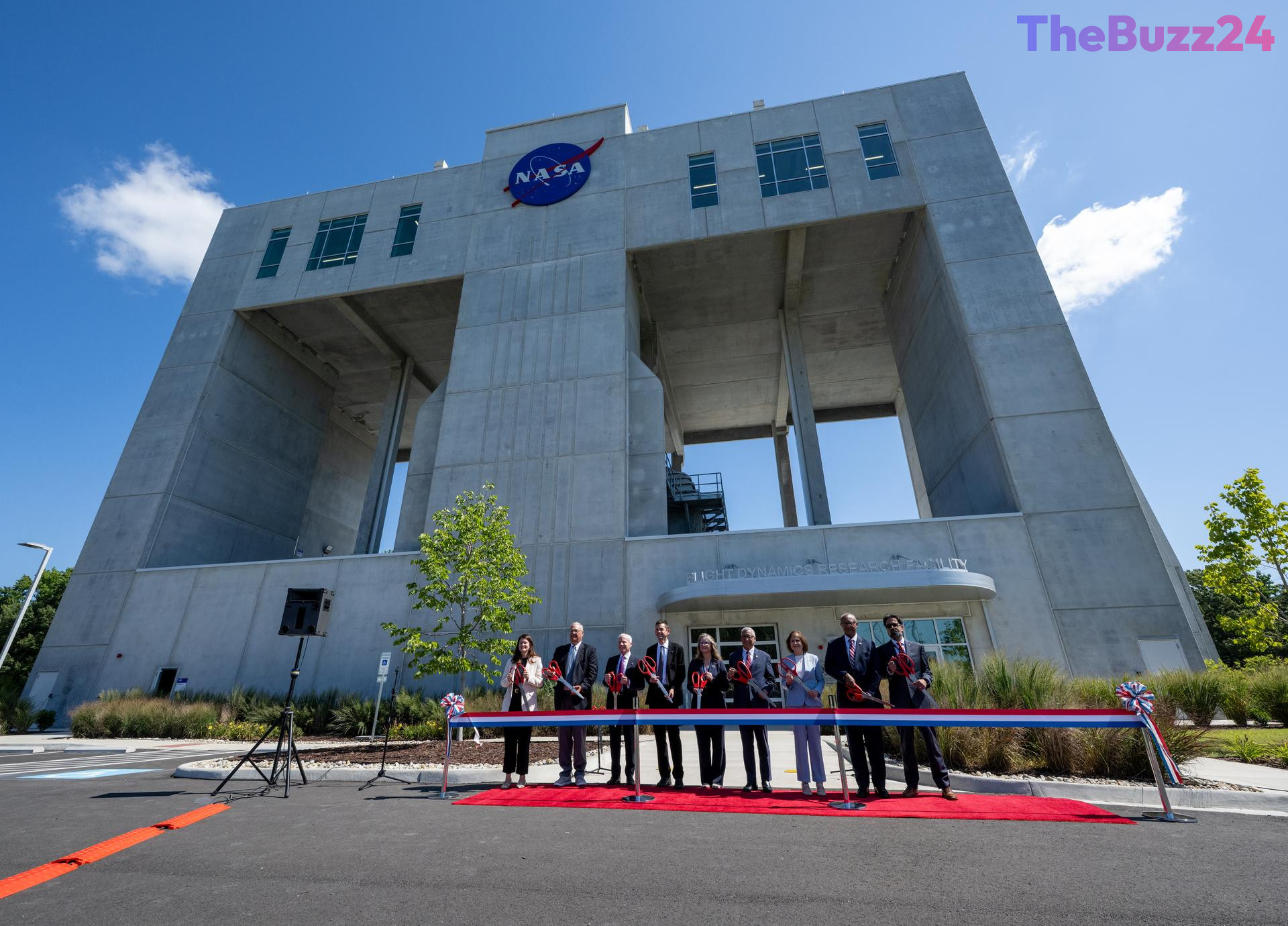
NASA has officially inaugurated the Flight Dynamics Research Facility at the Langley Research Center in Hampton, Virginia. This cutting-edge wind tunnel represents the agency’s first major infrastructure investment of its kind in over four decades, signaling a significant leap forward in the testing capabilities for next-generation aircraft, rockets, and space exploration vehicles.
The facility is designed to support a wide array of aeronautical research, including the development of X-planes, drone technology, and spacecraft reentry systems. By consolidating the capabilities of two historic, aging wind tunnels into one modern, energy-efficient structure, the facility provides researchers with a 25,000-square-foot environment equipped with advanced digital systems and high-precision airflow controls. Its 20-foot diameter test chamber and powerful carbon-fiber fan system allow for testing at speeds up to 117 miles per hour, doubling the capacity of previous installations.
Beyond its technical specifications, the facility serves as a cornerstone for the agency’s long-term goals, including the Artemis program and future missions to Mars. By enabling more accurate simulations of atmospheric flight and landing dynamics, the center will help reduce mission risks and improve the safety of crewed spaceflight. The project, completed in partnership with the U.S. General Services Administration, is a key component of a 20-year campus revitalization plan aimed at maintaining American leadership in global aerospace innovation.
Industry experts and government officials emphasize that this facility will act as a hub for collaboration between NASA, private industry, and academic institutions. As the aerospace sector shifts toward autonomous flight and more complex reentry vehicles, the ability to conduct high-fidelity, free-flight testing on larger scale models will be essential for validating bold new designs that were previously difficult to simulate.
Key Takeaways
- NASA's new Flight Dynamics Research Facility is the agency's first major new wind tunnel in over 40 years.
- The facility features a 20-foot diameter test chamber and reaches speeds of 117 mph, allowing for more accurate testing of larger scale models.
- The site will support critical research for the Artemis program, autonomous drones, and future Mars exploration missions.
Editor’s Analysis & Impact
The opening of the Flight Dynamics Research Facility marks a strategic pivot toward modernizing aging federal aerospace infrastructure. By replacing legacy systems with high-efficiency, digitally integrated technology, NASA is effectively lowering the barrier to entry for complex aerodynamic testing. This facility is not merely a research tool; it is a critical asset for the commercial space race and the burgeoning drone industry. The ability to simulate high-altitude reentry and complex flight dynamics with greater precision will likely accelerate the development cycles for private-sector partners and defense contractors alike. As the U.S. looks toward sustained lunar presence and eventual Mars missions, this facility provides the necessary testing ground to mitigate the high costs and risks associated with experimental flight, ensuring that American aerospace engineering remains at the cutting edge of global competition.
Frequently Asked Questions
Q: What is the primary purpose of the new Flight Dynamics Research Facility?
A: The facility is designed to test the safety and performance of aircraft, rockets, and spacecraft through free-flight and mounted testing of scale models.
Q: How does this facility differ from older NASA wind tunnels?
A: It is significantly more energy-efficient, features a larger 20-foot diameter test chamber, and can reach airspeeds twice as fast as the previous tunnels it replaces.
AI Disclosure: This article is based on verified data and official reports. Our Team and AI have cross-referenced every financial detail with primary sources to ensure total accuracy.
More from this Category