Market Misinterpretation: Why Kevin Warsh’s Fed Stance May Signal Impending Rate Hikes
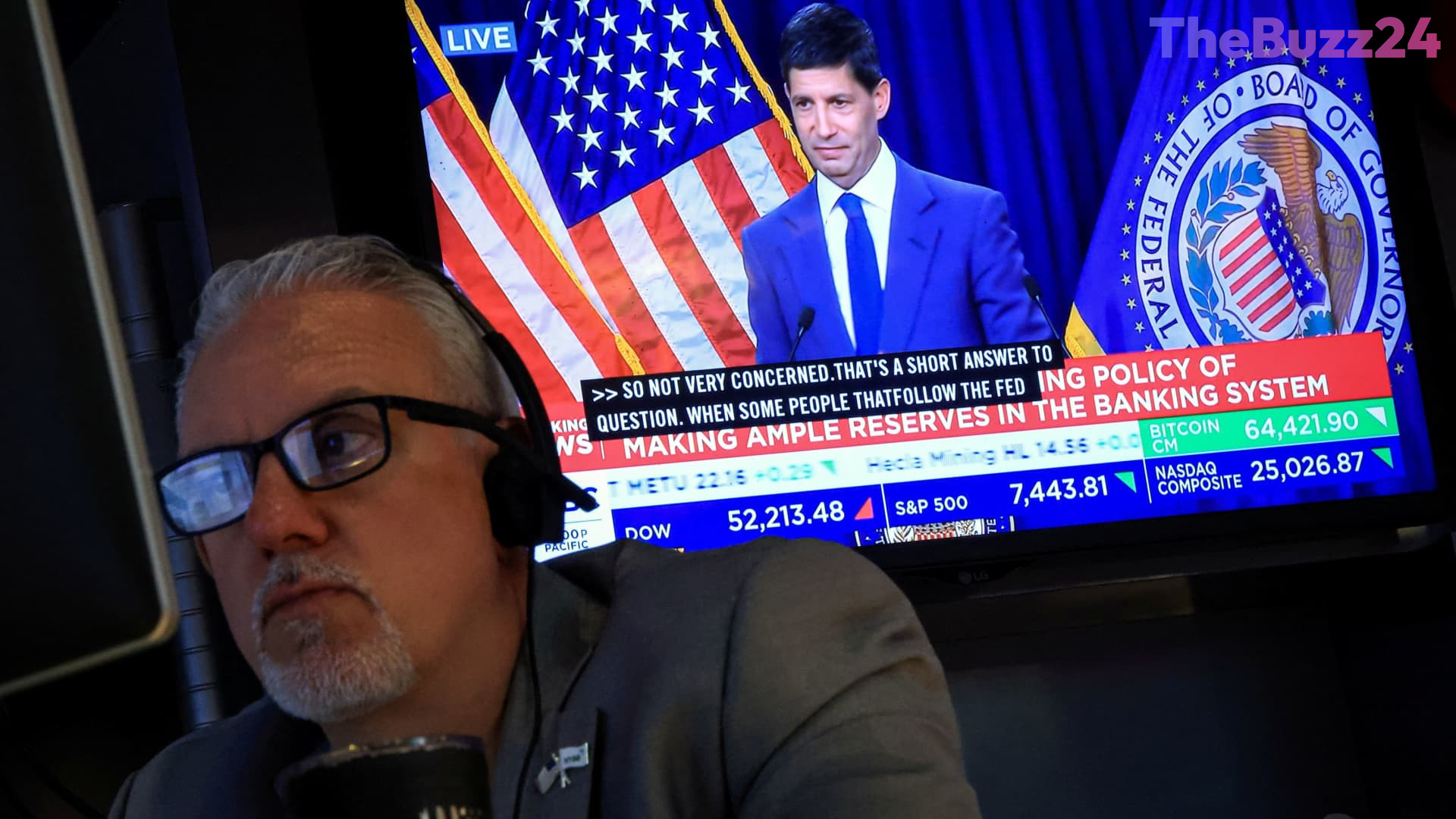
Investors are currently grappling with the aftermath of Federal Reserve Chairman Kevin Warsh’s second press conference, where a perceived dovish tone triggered a notable shift in market sentiment. While many traders interpreted his comments as a signal that the central bank would ease its pressure on inflation, a closer examination of his prepared remarks suggests that the market may be misreading his intentions. By focusing on the off-the-cuff responses rather than the formal statement, investors risk being blindsided by future policy shifts.
In his prepared address, Warsh maintained a firm stance on the Federal Reserve’s 2% inflation target, explicitly stating that there is no room for a ‘soft’ or implicit target. Despite a recent cooling in consumer price data, Warsh remained cautious, emphasizing that a single month of modest price decreases does not resolve years of above-target inflation. His rhetoric suggests that if upcoming economic data continues to show persistent inflationary pressure, the committee is prepared to act decisively, potentially through interest rate hikes or by shrinking the Fed’s balance sheet.
Warsh’s performance highlighted the ongoing challenge of balancing short-term market expectations with long-term monetary strategy. While he has expressed interest in exploring new inflation measurement tools and the potential economic impacts of artificial intelligence, his immediate focus remains on maintaining the Fed’s credibility. Analysts suggest that the confusion following his press conference may actually embolden him to take more aggressive action at the next FOMC meeting to clarify his position and reassert the central bank’s independence.
Ultimately, the disconnect between the market’s reaction and Warsh’s stated policy goals creates a volatile environment for investors. As the Fed prepares for its next gathering, the possibility of a rate increase remains high. Those who have positioned their portfolios based on the assumption of a dovish pivot may find themselves forced to unwind their positions if the Fed chooses to prioritize its long-term inflation mandate over short-term market comfort.
Key Takeaways
- Market participants may have misinterpreted Kevin Warsh's press conference as dovish, potentially ignoring his firm commitment to a 2% inflation target.
- Warsh signaled that the Fed is considering using its balance sheet as a tool to tighten financial conditions, similar to raising interest rates.
- The Fed Chairman's emphasis on credibility suggests that a rate hike could be on the table at the next FOMC meeting if inflation data remains elevated.
Editor’s Analysis & Impact
The market’s reaction to Kevin Warsh’s recent press conference underscores the extreme sensitivity of current financial conditions to central bank communication. By focusing on the ‘dovish’ optics of his informal Q&A, investors have largely ignored the hawkish substance of his prepared remarks. This creates a significant risk of a ‘volatility trap’ where the market is forced to rapidly reprice assets if the Fed follows through on its stated commitment to inflation control. Looking ahead, Warsh faces a delicate balancing act: he must maintain the Fed’s institutional credibility while navigating an economy influenced by external shocks like tariffs and the long-term, yet uncertain, productivity gains from AI. If he fails to align market expectations with his policy trajectory, the resulting uncertainty could lead to further instability in Treasury yields and currency markets.
Frequently Asked Questions
Q: Why did investors think Kevin Warsh was being dovish?
A: Investors interpreted Warsh's vague responses during his press conference Q&A and his lack of emphasis on a recent soft inflation report as a sign that he would be lenient on future interest rate hikes.
Q: Is the Federal Reserve planning to change its 2% inflation target?
A: While Warsh mentioned that the committee might discuss strategy in the future, he explicitly stated in his prepared remarks that there is no 'soft' target and that the 2% goal remains the standard.
AI Disclosure: This article is based on verified data and official reports. Our Team and AI have cross-referenced every financial detail with primary sources to ensure total accuracy.
More from this Category