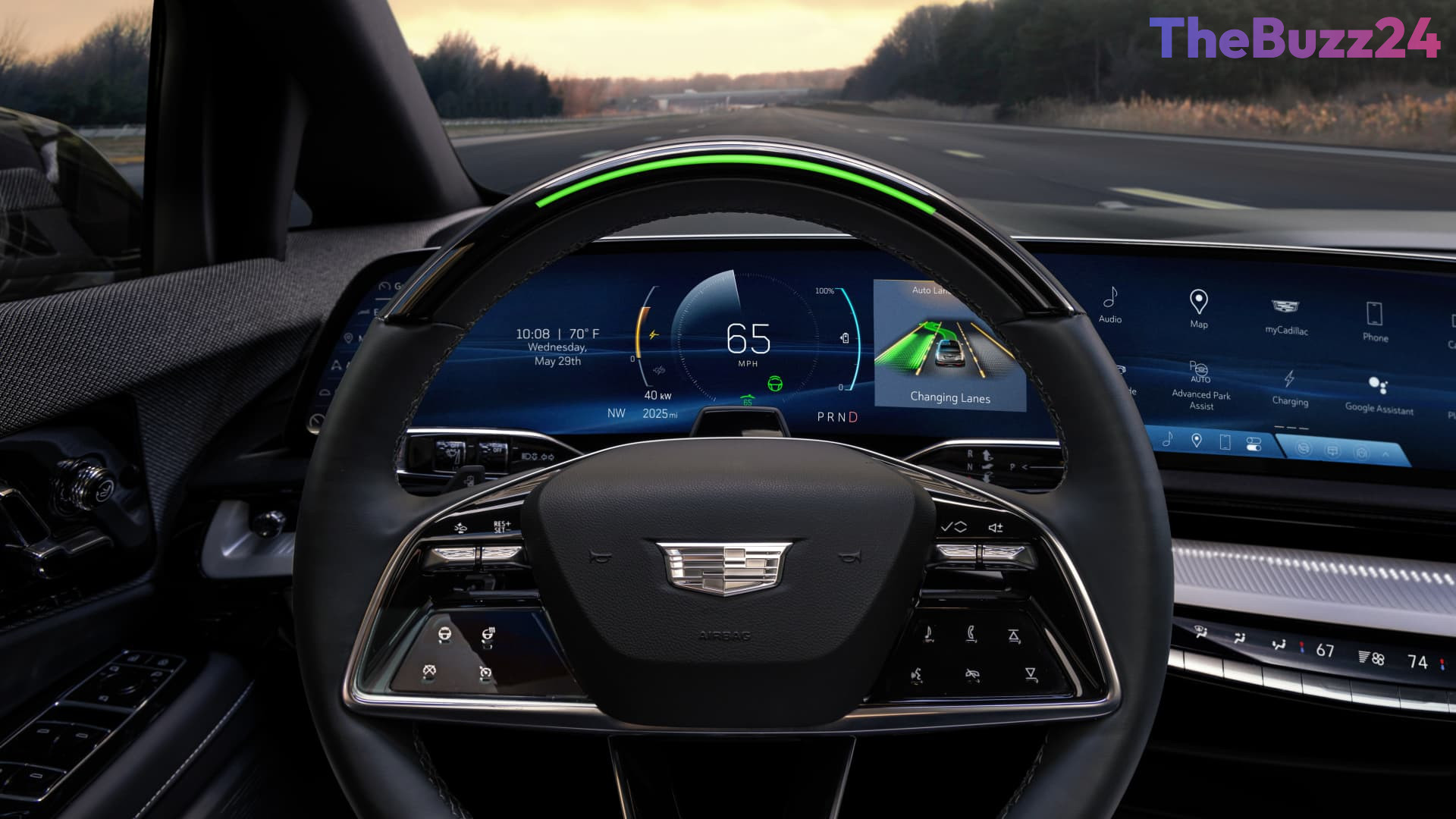
General Motors to Debut Proprietary AI Assistant for Deeper Vehicle Integration
General Motors is set to launch a proprietary in-vehicle artificial intelligence system later this year, marking a significant step in the automaker’s strategy to enhance the digital ownership experience. Unlike general-purpose AI tools, this new system is designed to be deeply integrated with the vehicle’s internal telematics, providing a level of functionality that goes beyond standard voice-command interfaces.
While the company has previously integrated third-party solutions like Google’s Gemini, this upcoming native assistant will leverage GM’s proprietary data and OnStar intelligence. By focusing on vehicle-specific knowledge, the system aims to offer features such as predictive maintenance alerts and advanced telemetry analysis, allowing the car to better understand its own mechanical health and the specific needs of the driver.
Development of the technology involves collaboration with a large language model provider to ensure the assistant can handle complex, auto-focused tasks. Potential features include customizable profiles, such as a ‘kids setting’ that automatically adjusts climate control, seat positions, and entertainment preferences. This move represents a shift toward a more cohesive AI ecosystem where the software is built specifically to interact with the hardware and data unique to GM vehicles.
Key Takeaways
- GM is developing a native, proprietary AI assistant to provide deeper integration with vehicle telematics than third-party tools.
- The system will focus on auto-specific features like predictive maintenance, vehicle health monitoring, and personalized cabin settings.
- The new assistant is expected to launch later this year, signaling a broader strategic shift toward proprietary AI ownership.
Editor’s Analysis & Impact
General Motors’ decision to develop a proprietary AI assistant highlights a critical trend in the automotive industry: the move from ‘software-enabled’ vehicles to ‘software-defined’ ones. By moving beyond generic AI models, GM is attempting to capture the value of its own proprietary vehicle data, which is a significant competitive moat. If successful, this integration could transform the vehicle from a simple mode of transportation into a proactive assistant that anticipates maintenance needs and personalizes the user experience. However, the success of this initiative will depend on the system’s reliability and the company’s ability to balance data privacy with the convenience of predictive features. This strategy positions GM to compete more effectively with tech-native EV manufacturers who have long prioritized deep software-hardware integration.
Frequently Asked Questions
Q: How does this new GM AI assistant differ from the Gemini AI already in some vehicles?
A: The new proprietary assistant is designed for deep integration with the vehicle's internal systems and telematics, whereas general-purpose assistants like Gemini operate more like a layer on top of the vehicle's existing software.
Q: What specific features will the new GM AI assistant offer?
A: The assistant will focus on auto-focused capabilities, including predictive maintenance, vehicle telemetry analysis, and personalized settings like 'kids mode' for climate and seat adjustments.
AI Disclosure: This article is based on verified data and official reports. Our Team and AI have cross-referenced every financial detail with primary sources to ensure total accuracy.
More from this Category