Bridging Ancient Wisdom and Modern Tech: Australia’s New Frontier in Fire Management
As global temperatures rise and wildfire seasons become increasingly volatile, Australia is pioneering a dual-approach strategy that marries cutting-edge satellite technology with thousands of years of Indigenous ecological knowledge. Experts at the Bushfire Research Centre of Excellence are utilizing high-resolution satellite imagery and AI to monitor fuel moisture levels, identifying high-risk areas before ignition occurs. This data-driven approach is being refined by the traditional expertise of Indigenous Australians, who interpret environmental indicators—such as soil composition, plant scent, and canopy density—to provide a ground-level reality check that sensors alone cannot capture.
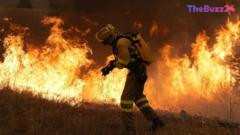
Central to this strategy is the practice of ‘cultural burning,’ a tradition spanning over 60,000 years. By conducting small, controlled ‘cool fires,’ land managers prevent the dangerous accumulation of undergrowth that fuels catastrophic blazes. This method of proactive land management is increasingly viewed as a vital alternative to purely reactive firefighting. As Australia faces the prospect of severe fire seasons driven by climate patterns like El Nino, the integration of these ancient techniques with modern tools such as drones and strategic backburning is setting a new standard for global fire mitigation.
International interest in these methods is growing, with countries like Canada and France now looking to Australian expertise to manage their own intensifying wildfire crises. The shift represents a broader evolution in emergency management: moving away from waiting for fires to ignite and toward a model of constant, informed landscape stewardship. By treating the environment as a living system that requires regular, low-intensity maintenance, authorities hope to reduce the frequency of uncontrollable, high-intensity fire events that threaten both human settlements and biodiversity.
Ultimately, the success of this collaborative model underscores the necessity of global knowledge sharing. As fire seasons lengthen and expand into regions previously unaccustomed to such disasters, the Australian experience serves as a blueprint for resilience. By combining the precision of space-age technology with the deep, generational understanding of the land, fire services are gaining the critical time needed to protect communities and preserve ecosystems in an era of unprecedented environmental change.
Key Takeaways
- Australia is combining satellite data and AI with traditional Indigenous ecological knowledge to predict and manage wildfire risks more effectively.
- Cultural burning, or the use of small, controlled fires, is being recognized globally as a superior method for preventing the massive fuel buildup that leads to catastrophic wildfires.
- The global fire community is increasingly adopting Australian tactics, such as backburning and drone-assisted intelligence, to combat longer and more intense fire seasons worldwide.
Editor’s Analysis & Impact
The integration of Indigenous land management with modern fire science represents a significant paradigm shift in environmental policy. For decades, Western fire management focused almost exclusively on suppression—a strategy that often backfired by allowing fuel loads to reach dangerous levels. The Australian model demonstrates that ‘living with fire’ through controlled, cultural burns is not only more sustainable but also more effective at preventing mega-fires. From a market perspective, this creates a growing demand for specialized environmental consulting, drone surveillance technology, and data analytics platforms tailored for forestry and emergency services. As climate change forces nations to rethink their approach to landscape management, the ‘Australian blueprint’ is likely to become a standard export in global disaster risk reduction, influencing international policy and resource-sharing agreements for years to come.
Frequently Asked Questions
Q: What is cultural burning?
A: Cultural burning is an ancient Indigenous practice involving small, controlled fires that clear out excess vegetation and fuel, preventing the buildup of material that could lead to large, uncontrollable wildfires.
Q: How do drones assist in modern firefighting?
A: Drones are used to quickly assess fire progression, gather real-time intelligence, deliver heavy equipment to remote crews, and even initiate backburning operations to create firebreaks.
AI Disclosure: This article is based on verified data and official reports. Our Team and AI have cross-referenced every financial detail with primary sources to ensure total accuracy.
More from this Category