Base Power Secures $1 Billion to Scale Decentralized Energy Storage Network
Base Power, a startup focused on decentralized energy storage, has successfully raised $1 billion in a Series D funding round, bringing its post-money valuation to $13 billion. This significant capital injection comes less than a year after the company’s previous billion-dollar raise, underscoring the growing investor confidence in distributed grid solutions. The company currently installs approximately 100 home batteries daily and aims to double that capacity by the end of the year, having already deployed over 500 megawatt-hours of storage across Texas and Illinois.
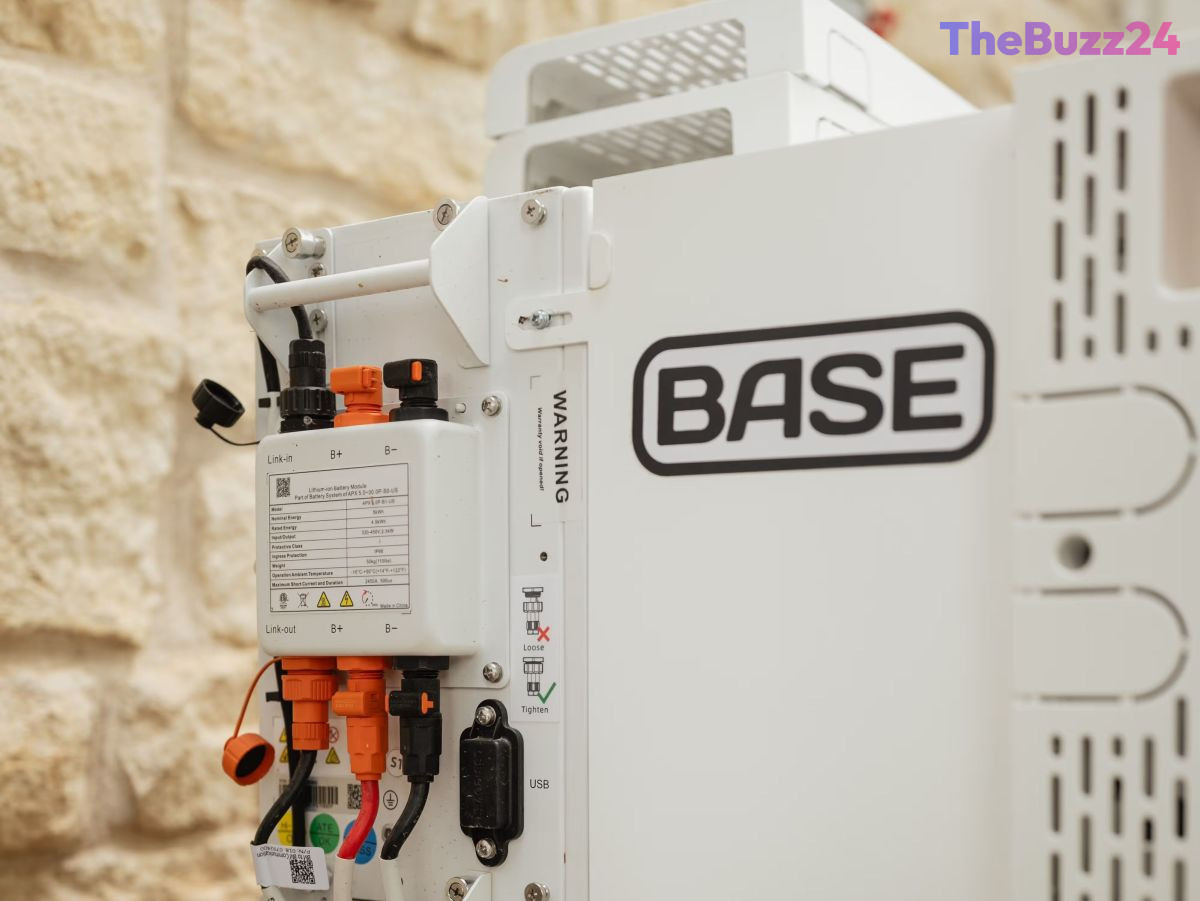
Central to the company’s growth is the launch of its latest hardware, the Base Core. Manufactured in Austin, Texas, the unit boasts a 39.2 kilowatt-hour capacity, offering significantly more storage than typical residential alternatives. Unlike traditional installers that require large upfront payments, Base Power utilizes a subscription-based model. Homeowners pay a modest installation fee and a recurring monthly charge, while the company retains ownership of the hardware. This allows Base Power to aggregate the stored energy and sell it back to the grid during peak demand periods, effectively turning residential backyards into a virtual power plant.
This business model arrives at a critical juncture for the U.S. electrical grid, which is currently struggling to keep pace with rising electricity demand driven by widespread electrification and the proliferation of AI-focused data centers. By placing storage directly at the point of consumption, Base Power provides a dual benefit: it offers homeowners reliable backup power during outages and provides utilities with a flexible tool to alleviate grid congestion. With backing from major investment firms including Ribbit, Addition, and JPMorganChase’s Strategic Investment Group, the company is well-positioned to expand its footprint in both regulated and deregulated energy markets.
Key Takeaways
- Base Power raised $1 billion in Series D funding, reaching a $13 billion valuation to expand its decentralized battery network.
- The company’s new 'Base Core' battery offers 39.2 kWh of storage, significantly higher than industry standards, and is deployed via a subscription model.
- The startup addresses grid strain from AI data centers and electrification by aggregating residential batteries to sell power back to the grid during peak demand.
Editor’s Analysis & Impact
Base Power’s rapid valuation growth highlights a fundamental shift in how the energy sector is addressing grid instability. By bypassing the traditional, land-intensive approach to utility-scale storage, the company is effectively commoditizing residential space to solve a macro-level infrastructure problem. The subscription model is particularly disruptive, as it lowers the barrier to entry for consumers while creating a recurring revenue stream for the company. As AI data centers continue to demand massive amounts of power, the ability to deploy storage quickly at the edge of the grid will become increasingly valuable. The primary challenge moving forward will be maintaining regulatory compliance across diverse state markets and ensuring the long-term maintenance of a massive, distributed fleet of hardware. If successful, Base Power could set the blueprint for the future of the ‘virtual power plant’ industry.
Frequently Asked Questions
Q: How does Base Power’s subscription model work for homeowners?
A: Instead of paying a large upfront cost for equipment, homeowners pay a small installation fee and a monthly subscription. Base Power retains ownership of the battery and uses it to sell electricity back to the grid during peak demand, while the homeowner gains backup power during outages.
Q: Why is there such high demand for Base Power’s technology?
A: The U.S. electrical grid is facing unprecedented strain due to the rapid expansion of AI data centers and general electrification. Base Power’s decentralized approach helps alleviate this pressure by storing energy locally rather than relying solely on centralized power plants.
AI Disclosure: This article is based on verified data and official reports. Our Team and AI have cross-referenced every financial detail with primary sources to ensure total accuracy.
More from this Category