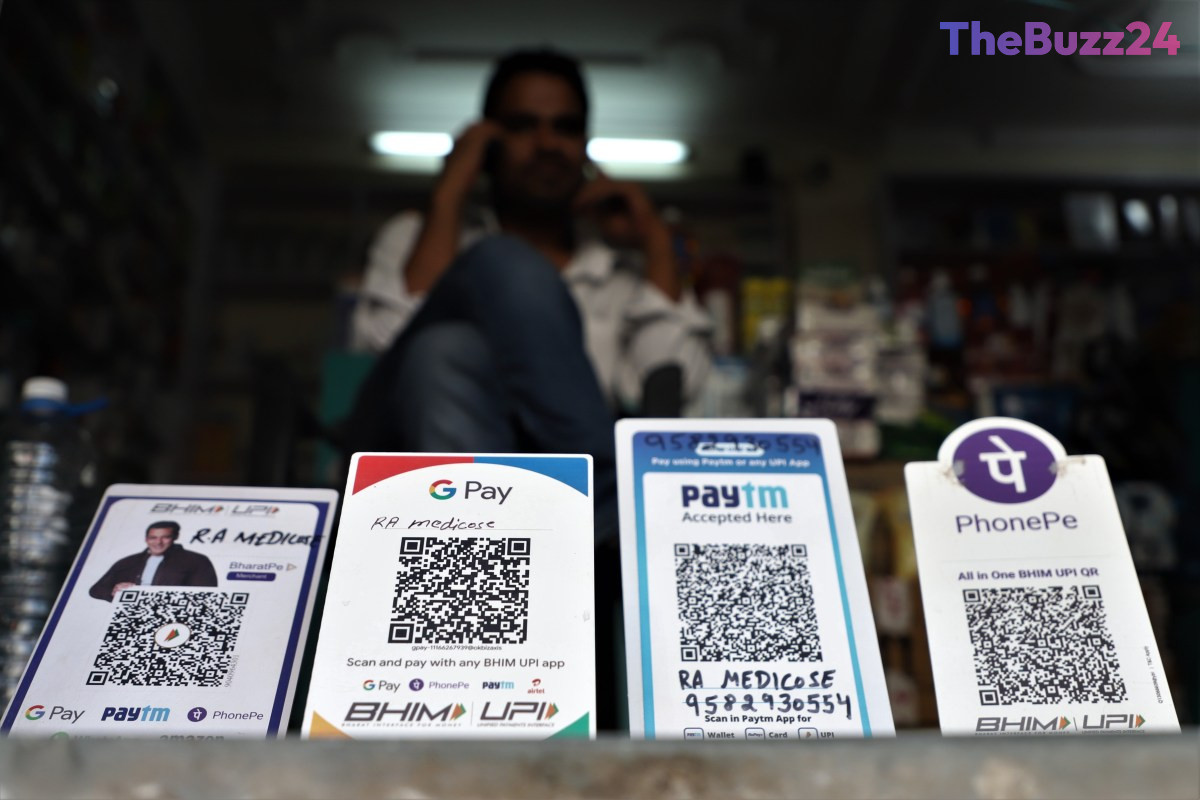
India Prepares to Overhaul UPI Payment Model with Potential Merchant Fees
The Indian government is laying the legislative groundwork to potentially restructure the business model of its Unified Payments Interface (UPI), the nation’s dominant digital payment network. Since 2020, the system has operated under a zero-merchant-discount-rate (MDR) regime, meaning businesses have not been charged fees for accepting UPI payments. This policy was initially implemented to drive rapid adoption, but as transaction volumes have surged to record highs—reaching 23.66 billion transactions in July alone—the sustainability of the current model has come under scrutiny.
Financial institutions and fintech companies have long argued that the lack of transaction fees makes it increasingly difficult to cover the rising costs of infrastructure, cybersecurity, and ongoing innovation. By introducing a legal framework that allows for the potential implementation of merchant charges, the government aims to create a more sustainable financial ecosystem. Industry leaders suggest that allowing for fees on specific transactions while keeping peer-to-peer and consumer payments free could provide the necessary capital to scale the network further and expand its global reach.
While the new legislation does not immediately impose specific fees, it provides the regulatory authority to do so in the future. Analysts suggest that a tiered approach, potentially targeting only high-value transactions, could generate significant annual revenue for the payments industry. Such a move would be particularly impactful for major players like PhonePe and Google Pay, which currently handle the vast majority of UPI transaction volumes. As India continues to export its digital payment technology to countries like Singapore, the UAE, and France, the evolution of this business model will be closely monitored by global financial regulators.
Key Takeaways
- India is moving toward a potential end to its zero-fee merchant policy for UPI transactions to ensure long-term infrastructure sustainability.
- The proposed legislation creates a framework for charging fees, though specific details on which transactions will be affected remain to be determined.
- Analysts estimate that introducing fees on high-value transactions could generate up to $1.05 billion in annual revenue for the payments sector by 2028.
Editor’s Analysis & Impact
The potential shift in India’s UPI business model represents a critical maturation phase for one of the world’s most successful digital payment infrastructures. By moving away from a purely state-subsidized model toward a revenue-generating framework, India is addressing the ‘tragedy of the commons’ inherent in massive, free-to-use public digital utilities. The industry impact will be profound; it incentivizes private sector investment in security and innovation while balancing the needs of small merchants against the operational costs of banks and fintech giants. If implemented correctly—likely through a tiered fee structure targeting high-value transactions—this policy could serve as a global blueprint for other nations looking to digitize their economies without stifling consumer adoption. The long-term outlook suggests a more robust, self-sustaining ecosystem that can better withstand the pressures of global expansion and technological evolution.
Frequently Asked Questions
Q: Will consumers have to pay fees for using UPI?
A: The current legislative discussions focus on merchant-side fees. The proposed model aims to keep consumer and peer-to-peer transactions free to maintain the network's popularity.
Q: Why is the government considering charging merchants?
A: As transaction volumes grow, the costs of maintaining the network, enhancing cybersecurity, and driving innovation have increased, making the previous zero-fee model difficult for banks and fintech firms to sustain.
AI Disclosure: This article is based on verified data and official reports. Our Team and AI have cross-referenced every financial detail with primary sources to ensure total accuracy.
More from this Category