Vals Aims to Set the Standard for AI Model Evaluation with $40 Million Series A
The rapidly evolving field of artificial intelligence is facing a critical challenge: accurately measuring the capabilities of increasingly sophisticated AI models. As companies race to deploy AI across various sectors, the need for robust and reliable benchmarking systems has become paramount. Vals, a startup founded in 2024, is positioning itself to address this gap, aiming to establish a new gold standard for AI evaluation.
Founded by 25-year-old Rayan Krishnan, who previously interned at Palantir and worked with Microsoft and Stanford’s AI lab, Vals was born out of a recognition that existing academic benchmarks are struggling to keep pace with the rapid advancements in AI technology. “We were seeing a bunch of new, very capable models come to market quickly, and the academic benchmarks [were] not keeping up with that frontier advance,” Krishnan explained. The company recently secured $40 million in a Series A funding round led by Andreessen Horowitz, following a seed round led by 8VC and Bloomberg Beta, underscoring significant investor confidence in its mission.
Vals differentiates itself by moving beyond abstract, general knowledge tests. Instead, the company focuses on evaluating AI models’ ability to perform complex, real-world tasks across specific industries such as law, finance, and coding. Crucially, Vals does not publicly disclose its test materials, preventing companies from training their models specifically to pass these evaluations. This approach aims to provide a more authentic assessment of an AI’s practical utility and potential impact, including an analysis of potential negative consequences.
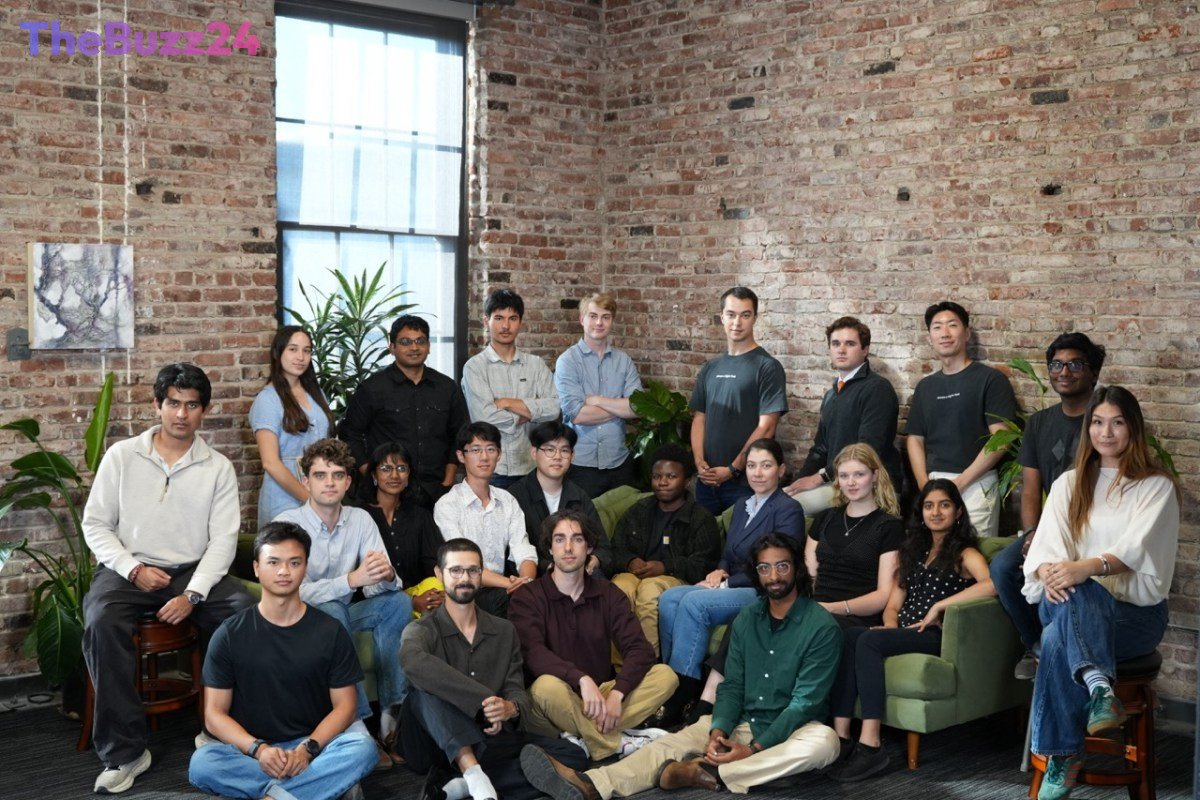
The startup’s innovative approach is gaining traction, evidenced by an eightfold increase in revenue over the past year and a tripling of its staff to 25 employees. Vals is expanding its evaluation scope to include areas like recursive self-improvement, mental health, cybersecurity, biosecurity, and even the application of international humanitarian law. The company’s business model involves charging clients for these rigorous evaluations, a process Krishnan likens to students paying for standardized tests like the SAT, with the understanding that effective measurement aids in troubleshooting and improvement. As AI models become more integrated into the economy and companies prepare for public offerings, Vals anticipates its evaluations will become crucial for public trust, regulatory filings, and investment discussions.
Key Takeaways
- Vals, a new AI startup, has raised $40 million in Series A funding to develop advanced AI benchmarking tools.
- The company focuses on evaluating AI models for real-world task performance across industries, rather than general knowledge.
- Vals' unique approach, which includes assessing potential negative impacts and not publicly disclosing tests, aims to build trust and provide accurate performance metrics for the growing AI sector.
Editor’s Analysis & Impact
Vals’ significant funding round highlights the increasing demand for reliable AI validation as the technology permeates critical sectors. By shifting focus from theoretical knowledge to practical application and potential risks, Vals is tapping into a crucial market need. Their strategy of keeping benchmarks proprietary could set a new industry standard, offering a more genuine assessment than publicly available tests that can be gamed. This approach is vital for fostering trust, especially as AI companies move towards public markets and increased regulatory scrutiny. The company’s expansion into diverse and complex domains suggests a long-term vision to become the definitive arbiter of AI performance and safety.
Frequently Asked Questions
Q: What is AI benchmarking?
A: AI benchmarking is the process of evaluating and comparing the performance of different artificial intelligence models using standardized tests and metrics. It helps developers and users understand a model's capabilities, limitations, and suitability for specific tasks.
Q: How does Vals' approach to benchmarking differ from traditional methods?
A: Vals focuses on evaluating AI models for their ability to perform complex, real-world tasks within specific industries, rather than just testing general knowledge. They also do not publicly disclose their test materials, preventing models from being trained specifically to pass the tests, and they analyze potential negative impacts of AI models.
Q: Why would a company pay to have its AI model tested?
A: Companies pay for AI model testing to gain an objective assessment of their model's performance, identify areas for improvement, and build credibility with potential clients or investors. Understanding a model's strengths and weaknesses is crucial for its development and successful deployment.
AI Disclosure: This article is based on verified data and official reports. Our Team and AI have cross-referenced every financial detail with primary sources to ensure total accuracy.
More from this Category