Trump Proposes AI Rebranding and Announces Formation of New ‘AI Force’
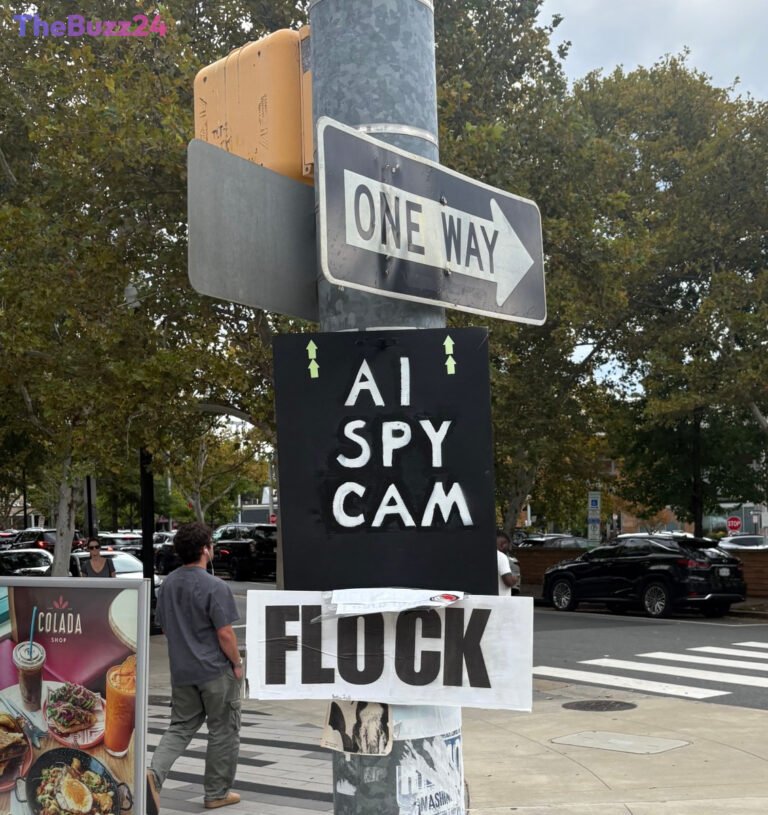
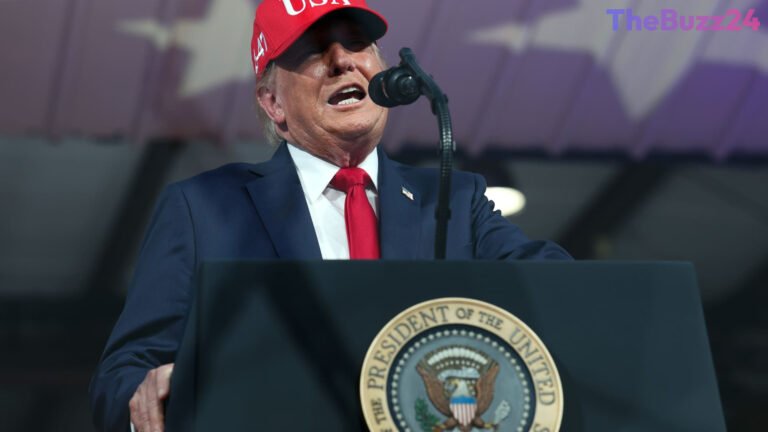
President Donald Trump has signaled a significant shift in his administration’s approach to emerging technology, publicly questioning the terminology surrounding artificial intelligence while announcing plans to establish a dedicated ‘AI Force.’ In a series of social media posts, the President suggested that the current name, ‘Artificial Intelligence,’ is inadequate and proposed alternatives such as ‘Superior Intelligence,’ ‘Extreme Intelligence,’ or ‘Supreme Intelligence’ to better reflect the technology’s potential.
Beyond the branding debate, the President characterized recent concerns regarding AI safety as politically motivated, dismissing them as part of a broader pattern of opposition he labels as hoaxes. He argued that the scrutiny directed toward AI and the data centers that power it is an attempt to stifle innovation. Despite bipartisan concerns regarding the environmental and societal impacts of large-scale data centers, the administration maintains that these facilities are vital assets to the communities in which they operate.
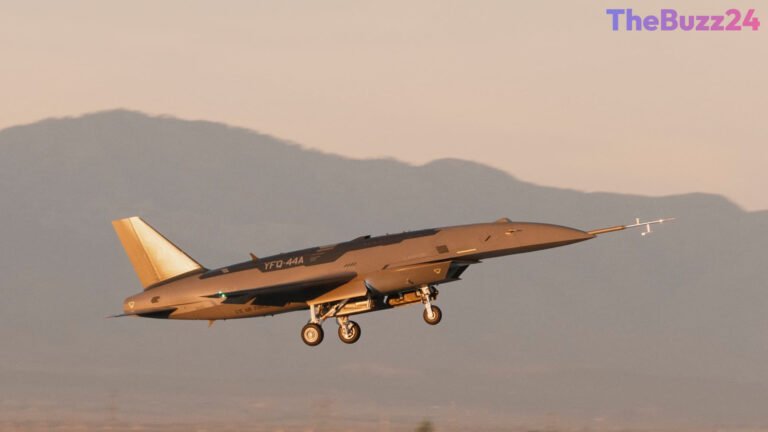
To oversee this new strategic direction, the President announced the forthcoming appointment of an ‘AI Czar’ tasked with leading the newly formed AI Force. While specific details regarding the mandate, budget, or operational scope of this force remain undisclosed, the move mirrors the creation of the Space Force during his previous term. Industry leaders, including Nvidia CEO Jensen Huang, have expressed support for the administration’s stance, emphasizing a commitment to preventing regulatory slowdowns in the sector.
Key Takeaways
- President Trump is seeking to rebrand 'Artificial Intelligence' with terms like 'Superior' or 'Supreme Intelligence' to better reflect the technology's status.
- The administration plans to establish an 'AI Force' and appoint an 'AI Czar' to oversee the industry's development and growth.
- The President dismissed current AI safety concerns as politically motivated 'hoaxes,' signaling a push to avoid restrictive regulations on the sector.
Editor’s Analysis & Impact
The announcement of an ‘AI Force’ signals a pivot toward treating artificial intelligence as a critical pillar of national security and economic dominance, rather than a sector requiring heavy-handed safety regulation. By framing AI safety concerns as political distractions, the administration is positioning itself as a pro-innovation ally to Silicon Valley, likely aiming to secure a competitive advantage against global rivals. However, the lack of a clear mandate for the proposed AI Force leaves significant questions regarding how the government will balance rapid technological advancement with the legitimate public concerns surrounding data privacy, energy consumption, and existential risk. The move suggests a future where AI policy is driven by executive-led initiatives rather than traditional legislative oversight, potentially creating a more volatile but faster-paced regulatory environment for tech firms.
Frequently Asked Questions
Q: What is the purpose of the proposed AI Force?
A: While specific duties have not yet been defined, the AI Force is intended to oversee the growth and development of the AI industry, similar to the structure of the Space Force.
Q: Why does the President want to rename Artificial Intelligence?
A: The President has expressed that the current term is 'inaccurate' and 'ineloquent,' suggesting that names like 'Superior Intelligence' or 'Supreme Intelligence' would be more appropriate.
AI Disclosure: This article is based on verified data and official reports. Our Team and AI have cross-referenced every financial detail with primary sources to ensure total accuracy.
More from this Category