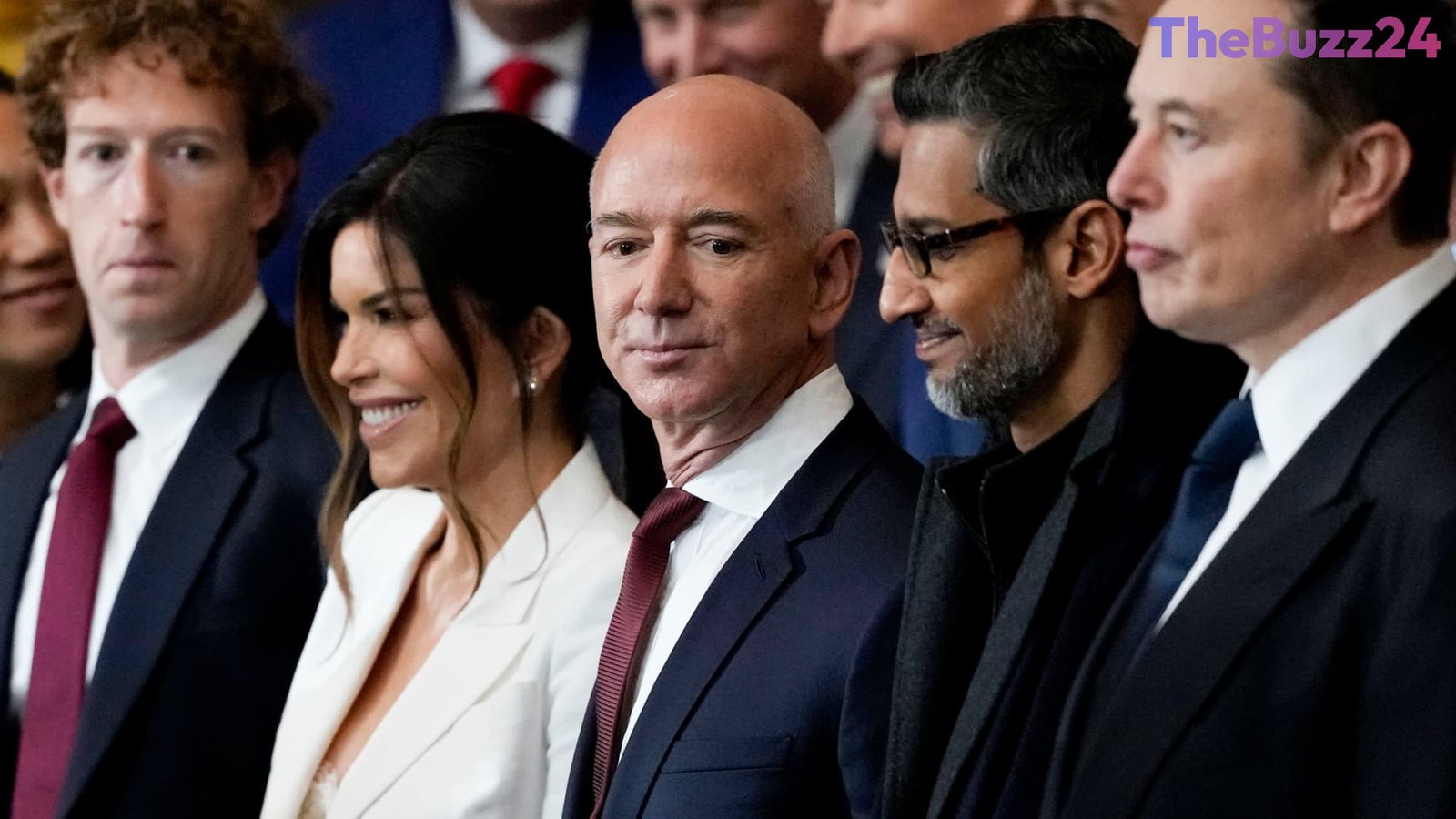
Democratic Surge Reshapes Congress, Puts Tech Billionaires and AI Industry on Notice
Democrats secured a decisive victory in the recent midterm elections, taking control of Congress and delivering a significant rebuke to the previous administration’s economic policies. Voters expressed deep frustration over rising prices, perceived government corruption, and the rapid expansion of AI data centers, leading to a substantial shift in the political landscape.
The election results dealt a considerable blow to tech billionaires and corporate interest groups who had invested hundreds of millions of dollars in backing Republican candidates. Notably, Elon Musk, a prominent individual political donor, saw his record spending fail to secure Republican power, particularly in Texas. His financial influence even became a liability for some candidates, as voters voiced concerns about the growing sway of billionaires in politics. The outcome has intensified the political debate surrounding data centers and artificial intelligence infrastructure, with newly elected officials like Gina Hinojosa in Texas campaigning for a pause on new projects until stricter state regulations are adopted.
In a series of unexpected triumphs, Democrats swept marquee races in traditionally Republican strongholds. In Texas, James Talarico became the first Democrat elected to the U.S. Senate from the state in nearly four decades, while Gina Hinojosa defeated three-term Governor Greg Abbott, marking the first Democratic governorship since 1995. These victories were part of a broader wave of Democratic gains across states like South Carolina, Ohio, Iowa, North Carolina, Georgia, and New Hampshire, often overturning Republican expectations and highlighting the failure of Republican-led redistricting efforts.
The shift in congressional control is poised to reshape the technology sector’s relationship with Washington. A more adversarial Congress is expected to intensify scrutiny of tech companies and the AI data center build-out. Democratic leaders have already called for AI executives to testify under oath, signaling a new era of accountability. The market reacted swiftly to the scale of Democratic gains, with Dow and S&P 500 futures experiencing declines, reflecting investor apprehension about potential regulatory changes and increased oversight.
Key Takeaways
- Democrats achieved significant victories, gaining control of Congress and securing key state races in Texas, signaling a strong rebuke to the previous administration's economic policies.
- Tech billionaires and corporate interests, despite massive spending, saw their favored Republican candidates lose, particularly impacting planned AI data center projects.
- The election outcome is expected to lead to increased congressional scrutiny and potential regulation for the technology sector and AI infrastructure.
Editor’s Analysis & Impact
The midterm election results signal a significant shift in the political landscape, with profound implications for the technology sector, particularly AI and data center development. The increased Democratic control in Congress is likely to usher in a period of heightened regulatory scrutiny, potentially leading to more stringent oversight, antitrust investigations, and environmental regulations for tech giants. This could translate into higher compliance costs and slower project approvals for large-scale infrastructure, impacting market valuations and investment strategies. The public’s clear frustration with corporate influence and the rapid expansion of AI infrastructure suggests that future policy will prioritize community concerns over unchecked growth. This new political dynamic will force tech companies to recalibrate their lobbying efforts and engage more proactively with policymakers on issues of ethics, data privacy, and environmental impact.
Frequently Asked Questions
Q: What was the primary outcome of the midterm elections discussed?
A: Democrats gained control of Congress and secured significant victories in key states, notably Texas, marking a substantial shift in the political landscape and a rebuke to the previous administration's economic policies.
Q: How did the election results impact tech billionaires and the AI industry?
A: Despite considerable financial contributions to Republican candidates, tech billionaires and corporate interests saw their preferred candidates lose. This outcome is expected to lead to increased congressional scrutiny and potential regulation for the technology sector, particularly concerning AI data center development.
Q: What role did public sentiment play in the Democratic victories?
A: Voters expressed deep frustration with rising prices, perceived government corruption, and the rapid build-out of AI data centers. Democrats successfully linked these concerns to affordability and a 'rigged' economic system, resonating strongly with the electorate and contributing to their electoral success.
AI Disclosure: This article is based on verified data and official reports. Our Team and AI have cross-referenced every financial detail with primary sources to ensure total accuracy.
More from this Category