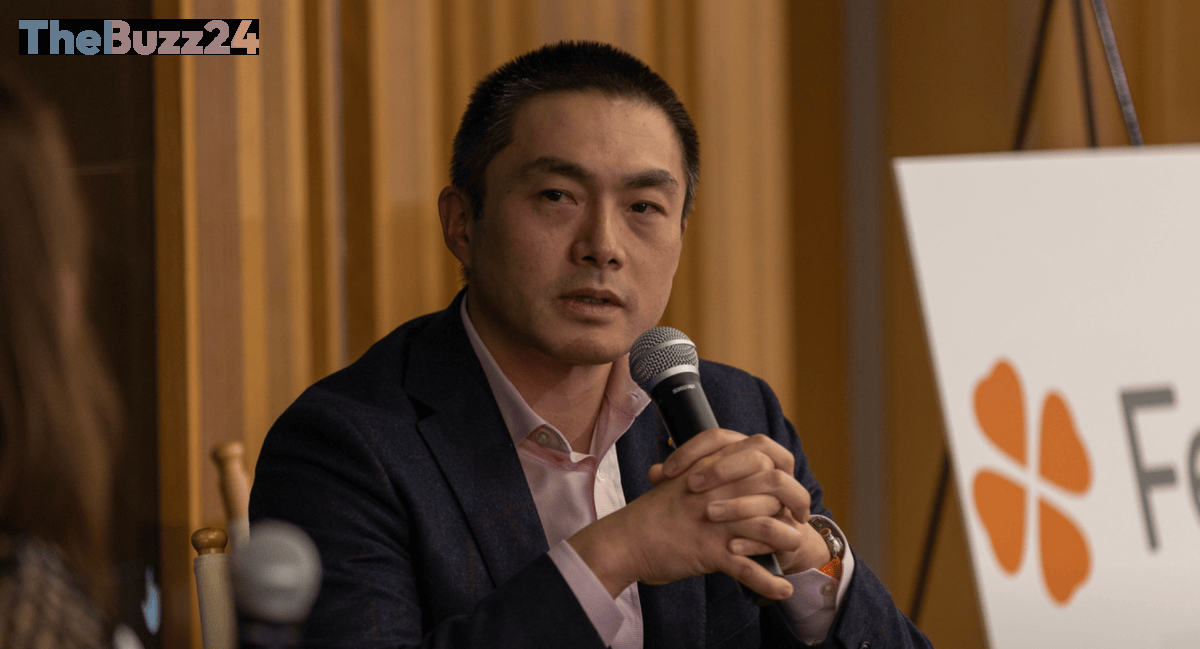
Sequoia Capital Pivots to Core Strategy, Scales Back Global Footprint and Key Programs
Sequoia Capital, a prominent venture capital firm, has announced a significant strategic overhaul, signaling a return to a more focused, Silicon Valley-centric approach after two decades of global expansion. The firm revealed it has successfully raised approximately $10 billion in new funds, even as it implements a major restructuring that includes closing its London office and discontinuing its Arc accelerator and Scouts program.
This strategic pivot aims to streamline operations and concentrate resources. The Scouts program, launched around 2009, was an innovative initiative that empowered founders and operators to invest small checks on Sequoia’s behalf, famously leading to early investments in companies like Uber and Stripe. Similarly, Arc, introduced in March 2022, functioned as a batch accelerator for pre-seed and seed founders, offering substantial upfront capital. Both programs were designed to foster early engagement and broad reach, but the firm now states its intention to put “more energy behind fewer people and things.” The closure of the London office, opened in 2020, will result in several personnel departures, with Sequoia asserting that it can continue to support European founders from its Bay Area headquarters. This move follows similar decisions by other major venture firms like Andreessen Horowitz and Coatue, potentially reinforcing a shift in the venture capital landscape for European entrepreneurs.
Internally, Sequoia is also undergoing substantial changes, including merging its early-stage and growth teams into a single unit and flattening its partnership structure to reduce hierarchy. The traditional Monday partner meeting, a long-standing ritual, has been eliminated to better align with the 24/7 nature of startup operations. Key leadership adjustments include the full-time return of Carl Eschenbach and the “reinvigoration” of Doug Leone. The firm has identified seven general partners — Alfred Lin and Pat Grady (co-stewards), along with Andrew Reed, Shaun Maguire, Konstantine Buhler, Sonya Huang, and David Cahn — who will primarily own and operate the organization. Notable personnel shifts include Jess Lee transitioning to Chief Product Officer and Stephanie Zhan departing to launch her own firm. These changes reflect Sequoia’s history of iterative evolution, including its 2023 separation from its China and India/Southeast Asia arms, which became HongShan and Peak XV, respectively.
Key Takeaways
- Sequoia Capital is undergoing a significant strategic overhaul, closing its London office and discontinuing its Arc accelerator and Scouts program to refocus on core venture investing from the Bay Area.
- The firm has raised $10 billion in new funds while simultaneously flattening its partnership structure and merging early-stage and growth teams.
- These changes signal a return to a more concentrated, Silicon Valley-centric approach, impacting European founders and reflecting a broader trend among some venture capital firms.
Editor’s Analysis & Impact
This move by Sequoia Capital, a titan in venture capital, marks a pivotal shift in the industry. The decision to retract from global expansion and niche programs like Arc and Scouts suggests a re-evaluation of the “be everywhere” strategy, possibly in response to a more challenging funding environment or a desire for greater operational efficiency. While raising $10 billion demonstrates continued fundraising prowess, the simultaneous scaling back could indicate a belief that concentrated capital and talent in Silicon Valley yield better returns. This pivot will undoubtedly impact the startup ecosystems in Europe and beyond, potentially forcing founders to seek local capital or relocate. It also sets a precedent, following similar actions by Andreessen Horowitz and Coatue, hinting at a broader industry trend towards consolidation and a renewed focus on core geographic strengths. The long-term success of this “rewind” strategy will be closely watched.
Frequently Asked Questions
Q: What are the main changes Sequoia Capital is implementing?
A: Sequoia Capital is closing its London office, discontinuing its Arc accelerator and Scouts program, merging its early-stage and growth investment teams, flattening its partnership structure, and eliminating the traditional Monday partner meeting.
Q: How will these changes affect European startups?
A: While Sequoia states it will continue to support "outlier founders" in Europe from its Bay Area base, the closure of its London office and the emphasis on Silicon Valley as the center of gravity may make it more challenging for European startups to secure early-stage funding and direct engagement from the firm.
Q: Why is Sequoia Capital making these strategic shifts?
A: The firm describes these changes as a "reinvention" to return to a more focused, high-conviction, and selective venture capital investing approach. After a 20-year expansionary phase, Sequoia aims to put "more energy behind fewer people and things" to enhance support for its portfolio companies and optimize returns.
AI Disclosure: This article is based on verified data and official reports. Our Team and AI have cross-referenced every financial detail with primary sources to ensure total accuracy.
More from this Category