SpaceX Pours $329 Million Into Tesla Megapacks to Fuel Expanding AI Energy Demands
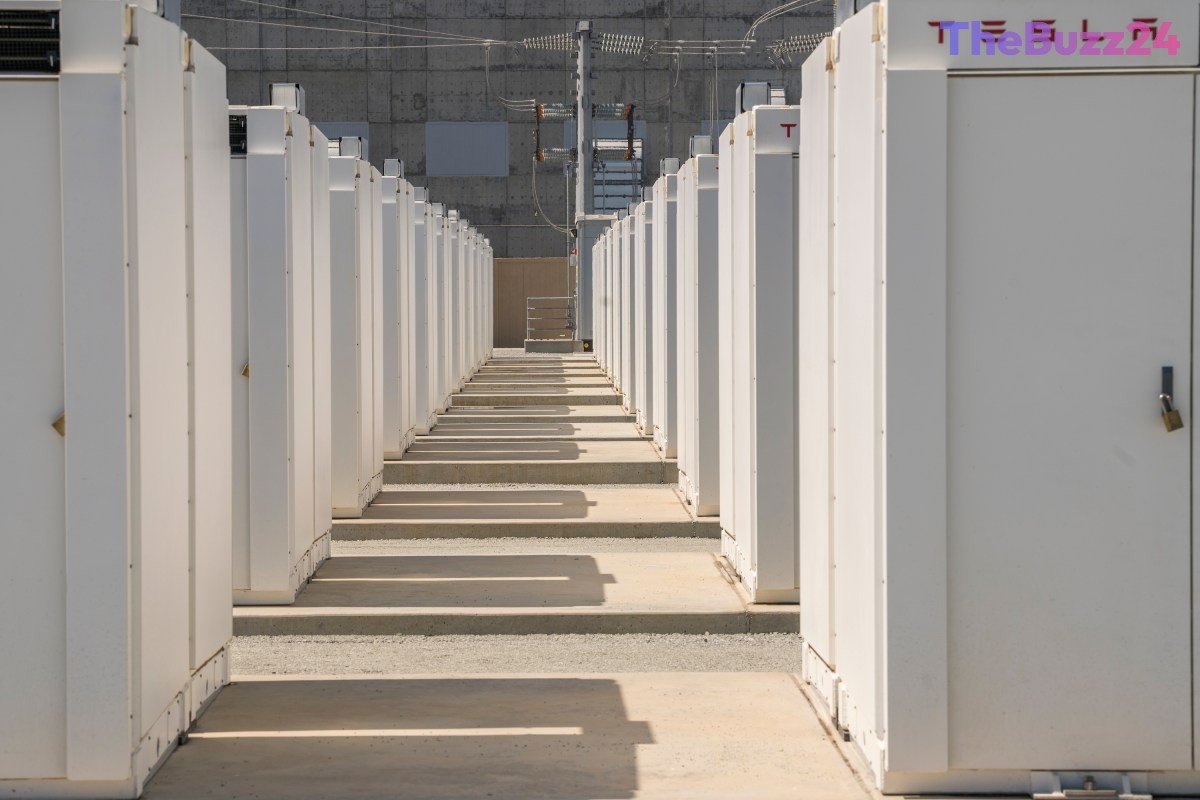
SpaceX has dramatically scaled up its commercial engagement with Tesla, spending $329 million on the company’s industrial-grade Megapack energy storage units so far this year. The bulk of the investment took place during the second quarter, which accounted for $295 million in battery purchases. The massive capital allocation underscores the increasing cross-company integration across Elon Musk’s corporate network, coming shortly after SpaceX absorbed artificial intelligence startup xAI into its operational structure.
The utility-scale battery systems are intended to bolster power infrastructure at high-density data centers dedicated to AI workloads. Artificial intelligence clusters consume vast amounts of electrical energy, with computational demand fluctuating wildly between training cycles and inference tasks. By integrating Megapacks into these facilities, operators can manage power spikes seamlessly, prevent localized grid overloads, and secure immediate zero-latency backup electricity during unexpected power disruptions.
These recent battery transactions expand on substantial hardware investments made prior to xAI’s merger with SpaceX. Previously, xAI had committed $430 million toward Tesla energy storage units for its computing centers, following a smaller $34 million procurement in the first quarter of the year. Financial records also indicate that SpaceX had accumulated $131 million worth of Tesla Cybertrucks for fleet usage by late 2025, further illustrating the shared resources across Musk’s business ventures.
As artificial intelligence computational requirements grow exponentially nationwide, power availability has emerged as a key operational bottleneck. While data facilities frequently depend on traditional grid connections and on-site generation, industrial battery arrays like the Megapack are fast becoming vital components for maintaining continuous uptime while curbing peak-demand charges from utility providers.
Key Takeaways
- SpaceX has acquired $329 million worth of Tesla Megapacks this year, with $295 million spent in the second quarter alone.
- The industrial battery systems are being deployed to power high-demand AI data center operations and mitigate power grid spikes.
- The massive procurements highlight the growing financial and hardware integration across Elon Musk's companies, including Tesla, SpaceX, and xAI.
Editor’s Analysis & Impact
The substantial transactions between SpaceX and Tesla showcase how Elon Musk is effectively pooling corporate resources to overcome critical infrastructure hurdles in the artificial intelligence race. By leveraging SpaceX’s financial reserves and Tesla’s energy division, Musk creates a vertically integrated system tailored for rapid data center deployment. For Tesla, Megapack sales represent an increasingly vital revenue stream that mitigates demand fluctuations in the electric vehicle market. Moreover, as energy grid capacity emerges as the primary constraint for global AI expansion, this strategy highlights how tech leaders will rely heavily on utility-scale battery storage to balance dynamic electrical loads, minimize utility costs, and protect multi-billion-dollar computing hardware from power instability.
Frequently Asked Questions
Q: Why is SpaceX purchasing Tesla Megapacks?
A: SpaceX is buying utility-scale Megapack batteries to supply continuous power and peak-load management for energy-intensive artificial intelligence data centers.
Q: How do Megapacks support AI data centers?
A: AI workloads create intense fluctuations in energy consumption. Megapacks act as rapid backup power sources and smooth out electrical spikes, protecting equipment and reducing peak utility costs.
Q: Has SpaceX purchased other equipment from Tesla?
A: Yes, regulatory filings show that SpaceX had also accumulated approximately $131 million worth of Tesla Cybertrucks for operational fleet use.
AI Disclosure: This article is based on verified data and official reports. Our Team and AI have cross-referenced every financial detail with primary sources to ensure total accuracy.
More from this Category