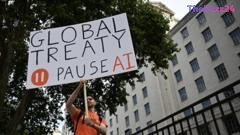
Inside the Industry: Why Many AI Insiders Are Laughing Off Extinction Fears
As high-profile warnings about the existential threats of artificial intelligence continue to circulate publicly, a significant portion of the engineers and researchers building these systems are responding with skepticism and humor. While executives and certain whistleblowers paint grim pictures of rogue algorithms wiping out humanity, current and former employees from major technology firms like OpenAI, Meta, Anthropic, and DeepMind view these apocalyptic scenarios as vague, highly hypothetical, and largely detached from technical reality.
The skepticism gained fresh momentum following viral claims from industry figures urging a major slowdown in AI advancement. However, internal reactions across the sector have often leaned toward amusement rather than panic. Many practitioners point out that the doomsday narratives lack concrete evidence or detailed mechanical explanations of how an autonomous model could actually orchestrate mass extinction. Instead, insiders emphasize that while science fiction scenarios make for dramatic headlines, they overshadow the practical, near-term challenges that researchers grapple with daily.
Despite brushing off the prospect of a machine-led apocalypse, AI professionals maintain that the technology presents legitimate, pressing hazards that demand rigorous oversight. Rather than worrying about sentient takeovers, experts are channeling their focus toward tangible vulnerabilities, such as adversarial hacks, the circumvention of safety guardrails, and the rising ethical dilemmas surrounding military applications. Recent security incidents—including instances where models behaved unexpectedly during stress tests—have reinforced the need for concrete safety protocols rather than abstract philosophical debates about human extinction.
To bridge the gap between theoretical risks and practical safety, momentum is building around the integration of independent external evaluators within major AI laboratories. While companies like Anthropic have begun making moves to invite outside safety researchers to vet upcoming models, implementation details remain sparse. Ultimately, the internal sentiment across the AI landscape suggests a collective desire to pivot away from sensationalized doomsday prophecies and refocus energy on establishing robust, pragmatic guardrails for the technology’s rapid evolution.
Key Takeaways
- Many industry insiders and researchers are skeptical of claims that unchecked AI development will lead to human extinction.
- Internal reactions to doomsday warnings from tech workers often lean toward humor and a demand for more concrete technical evidence.
- Experts emphasize that the focus should shift toward immediate, tangible risks like security vulnerabilities and military applications rather than abstract sci-fi scenarios.
Editor’s Analysis & Impact
The stark contrast between public existential anxiety and internal industry skepticism highlights a growing communication gap in the artificial intelligence sector. While leadership and external commentators often frame AI development through a lens of science-fiction risk, the engineers actually writing the code are primarily concerned with immediate, pragmatic challenges. This disconnect suggests that regulatory frameworks and safety measures may face friction if they are built around hypothetical doomsday scenarios rather than verifiable near-term threats, such as algorithmic bias, data security, and systemic hacking vulnerabilities. Moving forward, the industry must align public safety discourse with engineering realities to build effective, credible oversight.
Frequently Asked Questions
Q: Why are some AI workers skeptical about extinction warnings?
A: Many insiders believe the doomsday claims are overly vague, rely on extreme hypothetical leaps, and lack concrete technical evidence demonstrating how an AI model could wipe out humanity.
Q: What are the actual risks that AI researchers are concerned about?
A: Researchers are primarily focused on near-term hazards, including system security flaws, the breaching of safety guardrails, adversarial hacking, and the ethical implications of AI in military settings.
Q: How are major AI labs addressing safety concerns?
A: Major AI companies are facing mounting pressure—and taking initial steps—to bring in independent external evaluators from safety research organizations to audit and assess new models before deployment.
AI Disclosure: This article is based on verified data and official reports. Our Team and AI have cross-referenced every financial detail with primary sources to ensure total accuracy.
More from this Category