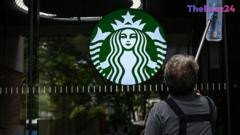
Starbucks Korea Faces Police Investigation Following Marketing Scandal
South Korean authorities have conducted a raid on the national headquarters of Starbucks as part of an ongoing investigation into defamation allegations. The legal action stems from a controversial marketing campaign launched in May, dubbed “Tank Day,” which coincided with the anniversary of the 1980 Gwangju Uprising—a tragic period in South Korean history marked by the military’s violent suppression of pro-democracy protesters.
The promotion, which featured coffee tumblers, drew immediate and widespread condemnation from the public. Critics argued that the use of the term “tank” was a callous reference to the military vehicles used during the crackdown, which resulted in hundreds of deaths. The backlash was further intensified by the inclusion of the phrase “tak on the table!” in promotional materials, a phrase that carries painful historical connotations related to the death of a student activist in police custody in 1987.
In response to the public outcry and a subsequent boycott, Shinsegae Group, the operator of Starbucks in South Korea, launched an internal investigation. The company maintained that the marketing team did not intentionally link the promotion to the historical event and that the oversight was a failure of management. Despite these explanations, the fallout has been severe, leading to the dismissal of the Starbucks Korea CEO and a significant decline in sales. To address the cultural insensitivity, the company mandated that all stores close for half a day to provide staff with historical education sessions.
The controversy also spilled into the political arena, becoming a flashpoint during the local election season. While some government officials called for a boycott, others utilized the brand as a symbol of political defiance. As the police investigation continues, the incident serves as a stark reminder of the risks global brands face when failing to account for the deep-seated historical and cultural sensitivities of the markets in which they operate.
Key Takeaways
- Starbucks Korea is under police investigation following a marketing campaign that inadvertently referenced a sensitive historical tragedy.
- The 'Tank Day' promotion sparked a national boycott, leading to the firing of the company's CEO and a mandatory historical training program for employees.
- The incident became a polarizing political symbol in South Korea, highlighting the intersection of corporate branding and national historical trauma.
Editor’s Analysis & Impact
The Starbucks Korea incident underscores the critical importance of cultural intelligence in global marketing strategies. When a multinational corporation missteps regarding a nation’s collective trauma, the consequences extend far beyond a temporary dip in revenue; they can trigger long-term brand damage and legal scrutiny. This case demonstrates how corporate oversight failures can be weaponized in volatile political climates, turning a commercial product into a symbol of partisan conflict. Moving forward, companies operating in sensitive geopolitical environments must implement more rigorous, localized review processes for marketing materials. The future outlook suggests that brands will face increasing pressure to demonstrate not just compliance, but a deep, empathetic understanding of the historical contexts of their consumer base to avoid similar reputational crises.
Frequently Asked Questions
Q: Why was the Starbucks 'Tank Day' promotion considered offensive?
A: The promotion was launched on the anniversary of the 1980 Gwangju Uprising. The use of the word 'tank' was viewed as a reference to the military vehicles used to suppress pro-democracy protesters, which is considered a day of national trauma in South Korea.
Q: What actions did Starbucks Korea take to address the backlash?
A: The company fired its CEO, issued a formal apology, closed stores for half a day to conduct mandatory historical education for staff, and launched an internal investigation into the marketing oversight.
AI Disclosure: This article is based on verified data and official reports. Our Team and AI have cross-referenced every financial detail with primary sources to ensure total accuracy.
More from this Category