Zipline Secures $21.5 Billion Valuation Amid Massive Walmart Expansion
Autonomous logistics leader Zipline has reached a significant milestone, securing a $1.5 billion funding round that brings the company’s total valuation to $21.5 billion. This influx of capital, supported by major investors including Uber, Salesforce Ventures, and ARK Invest, is earmarked for the expansion of U.S. manufacturing facilities and the scaling of the company’s workforce to support a nationwide drone delivery network.
Central to this growth is a newly expanded multi-year partnership with retail giant Walmart. The agreement marks a dramatic increase in operational scale, with plans to establish 300 new drone delivery sites across the United States. This represents a substantial leap from the 21 active sites currently managed by the two companies, signaling a shift toward mainstream adoption of aerial logistics for retail goods.
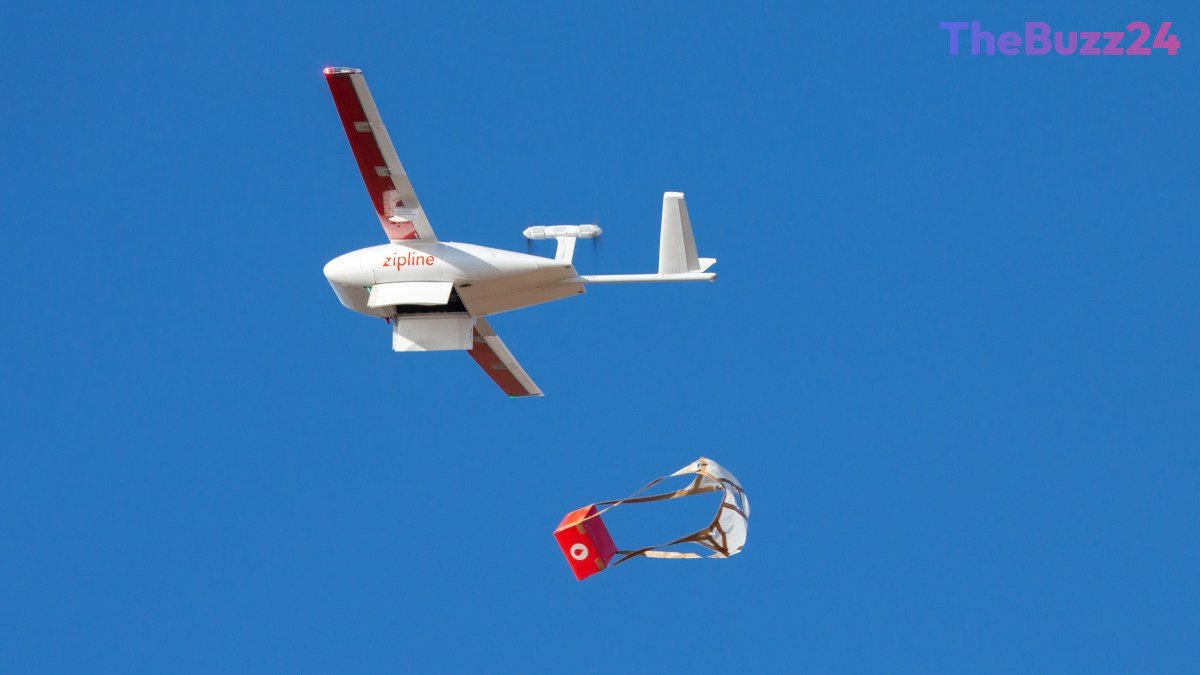
Zipline, which originally gained prominence by delivering medical supplies in Rwanda, Ghana, and Nigeria, has successfully transitioned its technology to the U.S. market. Since receiving Federal Aviation Administration Part 135 certification in 2022, the company has diversified its delivery portfolio to include food, agricultural supplies, and retail products. Utilizing its proprietary Platform 2 drones, which can carry up to eight pounds within a 10-mile radius, Zipline is rapidly capturing a larger share of the delivery market, with recent data showing its revenue contribution growing significantly throughout the year.
Key Takeaways
- Zipline has achieved a $21.5 billion valuation following a successful $1.5 billion funding round.
- A new agreement with Walmart will see the addition of 300 drone delivery sites across the U.S.
- The company is scaling its manufacturing and workforce to support the deployment of its Platform 2 drone technology.
Editor’s Analysis & Impact
Zipline’s latest funding round and expansion with Walmart represent a pivotal moment for the autonomous delivery sector. By moving beyond niche medical supply chains into the high-volume retail sector, Zipline is validating the economic viability of drone logistics at scale. The company’s ability to secure major institutional backing—including strategic partners like Uber—suggests that the industry is transitioning from experimental pilot programs to essential infrastructure. The primary challenge moving forward will be navigating complex airspace regulations and public perception as drone traffic increases in residential areas. However, if Zipline successfully executes its 300-site rollout, it will likely set the standard for last-mile delivery efficiency, potentially forcing competitors to accelerate their own autonomous initiatives to remain relevant in an increasingly automated retail landscape.
Frequently Asked Questions
Q: What is the primary purpose of Zipline's new funding?
A: The $1.5 billion in new funding is intended to expand Zipline's U.S. manufacturing facilities and increase its workforce to build out a comprehensive nationwide drone delivery network.
Q: How many drone delivery sites will Zipline and Walmart operate under the new agreement?
A: The companies plan to add 300 new drone delivery sites across the United States, significantly increasing their current footprint of 21 active sites.
AI Disclosure: This article is based on verified data and official reports. Our Team and AI have cross-referenced every financial detail with primary sources to ensure total accuracy.
More from this Category