Shopify Reports AI Search as a Growth Engine for E-commerce Merchants
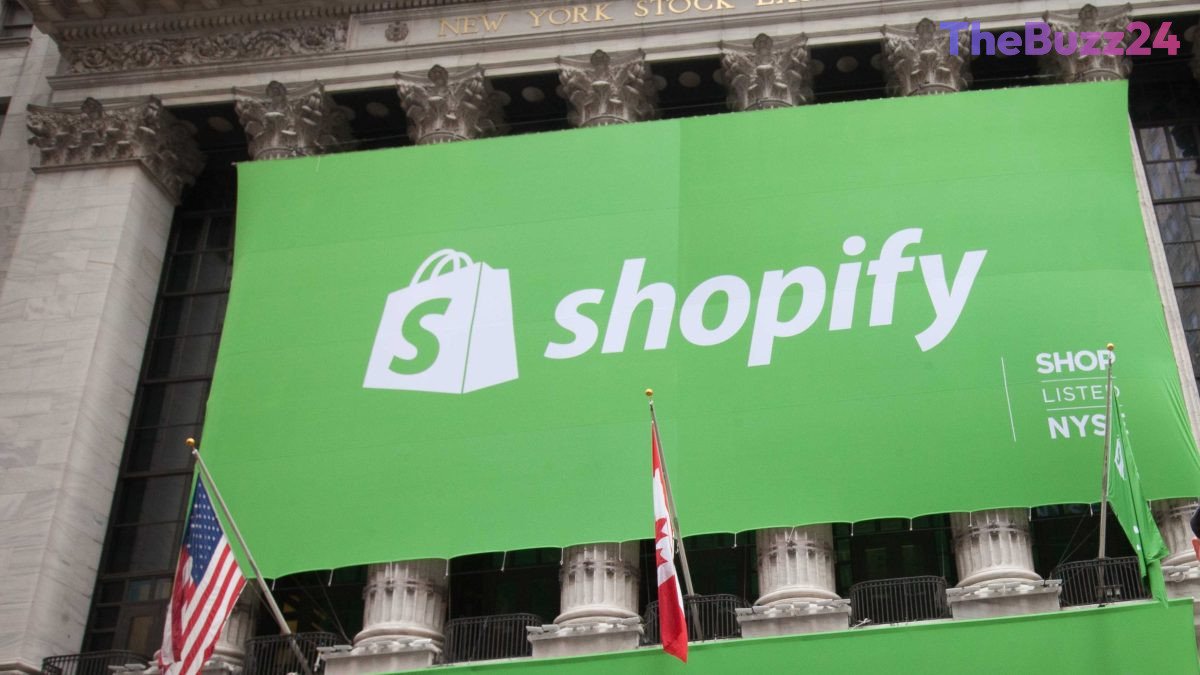
Shopify is bucking the trend of AI-induced traffic declines, reporting that artificial intelligence tools are significantly boosting sales and customer engagement for its merchants. During the company’s second-quarter earnings call, leadership highlighted that AI has emerged as a powerful complement to traditional search engines rather than a replacement. This shift has proven particularly beneficial for smaller, independent merchants, with AI-driven traffic and orders to Shopify-hosted stores tripling year-over-year.
While many sectors of the online publishing industry have struggled with AI summaries reducing click-through rates, Shopify’s ecosystem is seeing the opposite effect. The platform reported a 36% revenue increase to $3.6 billion, surpassing Wall Street expectations. According to the company, AI agents are better equipped to handle complex consumer queries by analyzing structured data across multiple dimensions, allowing them to match specific product needs—such as finding a car seat that fits a specific vehicle configuration—more effectively than keyword-based search engines.
This enhanced matching capability is leading to higher conversion rates, with half of all AI-referred sessions landing directly on product pages. Furthermore, the company noted that 75% of these AI-attributed purchases occurred outside of the top 100 product categories, suggesting that AI is successfully connecting niche merchants with highly motivated buyers. To further capitalize on this trend, Shopify has integrated its platform with various AI agents and development tools, including ChatGPT, Claude, and Perplexity, to streamline the shopping experience and empower merchants to build more sophisticated storefronts.
Key Takeaways
- Shopify reported a 36% revenue increase, partly attributed to the successful integration of AI search tools.
- AI-driven traffic and orders on the platform tripled year-over-year, proving that AI can act as a growth driver rather than a traffic deterrent.
- AI agents are outperforming traditional search by using structured data to match specific consumer intent, leading to higher conversion rates and deeper product discovery.
Editor’s Analysis & Impact
Shopify’s success with AI represents a pivotal shift in how e-commerce platforms can leverage generative technology. Unlike content-heavy websites that suffer when AI provides direct answers, e-commerce platforms benefit from AI’s ability to act as a sophisticated shopping assistant. By moving beyond simple keyword matching, AI agents are effectively shortening the sales funnel and driving traffic to niche products that might otherwise be buried in traditional search results. This strategy not only increases merchant revenue but also reinforces Shopify’s value proposition as a robust, data-rich infrastructure provider. Looking ahead, the ability to integrate seamlessly with third-party AI agents will likely become a competitive necessity for all major e-commerce platforms, as consumer behavior continues to shift toward conversational, intent-based shopping experiences.
Frequently Asked Questions
Q: How does AI search differ from traditional search on Shopify?
A: Traditional search relies on keyword popularity to rank products, whereas AI agents analyze structured data to understand specific user intent and constraints, allowing them to find products that meet complex requirements.
Q: Is AI replacing traditional search for Shopify merchants?
A: No, Shopify reports that traditional search remains a primary source of buyer traffic and continues to grow, with AI acting as a complementary tool that enhances the overall shopping journey.
AI Disclosure: This article is based on verified data and official reports. Our Team and AI have cross-referenced every financial detail with primary sources to ensure total accuracy.
More from this Category