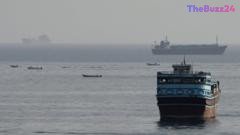
Iran Finalizes Temporary Strait of Hormuz Shipping Corridor Deal with Oman
Tehran has announced that it is in the final stages of establishing a designated maritime route through the Strait of Hormuz following bilateral discussions with Oman. According to Iranian officials, the geographical parameters for the proposed transit corridor have been agreed upon, potentially offering a temporary respite for global energy logistics. Iranian Deputy Foreign Minister Kazem Gharibabadi indicated that the designated route is intended as a short-term arrangement that could remain operational for two to four months.
Despite the prospective agreement with Muscat, Iranian Foreign Ministry spokesman Esmaeil Baqaei cautioned that the deal alone cannot guarantee complete security for maritime traffic. Iranian officials maintain that the primary source of instability remains the ongoing United States naval blockade of Iran’s ports and wider military activity in the Gulf. Traffic through the waterway, which typically carries roughly a fifth of global petroleum and liquefied natural gas supplies, has dwindled dramatically since armed conflict escalated earlier this year, triggering significant volatility in world oil markets.
The development unfolds amidst severe diplomatic and military pressure from Washington. US President Donald Trump recently issued strong warnings of military action if the critical trade artery is not unblocked quickly. Although US officials reported progress toward restarting commercial maritime flow, Tehran insists it is not engaged in direct talks with the US government. Outstanding friction points persist, including Iran’s previous demands to levy passage fees on foreign vessels attempting to cross the strait.
Key Takeaways
- Iran and Oman are finalizing a temporary shipping route through the Strait of Hormuz expected to last between two and four months.
- Iranian officials warn that safe navigation remains threatened by ongoing US naval blockades and regional military presence.
- The Strait of Hormuz handles nearly 20 percent of global oil and LNG shipments, making its operational status pivotal for energy prices.
Editor’s Analysis & Impact
The preliminary consensus between Iran and Oman to establish a temporary transit corridor through the Strait of Hormuz marks a critical pivot point for global energy security. With roughly 20 percent of the world’s crude oil and liquefied natural gas normally flowing through this narrow choke point, any functional opening could stabilize volatile energy markets and alleviate international economic pressure. However, market confidence remains fragile due to unresolved geopolitical friction between Tehran and Washington. Without broader diplomatic guarantees or an end to the US naval blockade, commercial maritime insurers and shipping operators may remain reluctant to dispatch vessels through the waterway. In the medium term, this short-term arrangement underlines the imperative for a lasting diplomatic framework to protect international maritime commerce.
Frequently Asked Questions
Q: How long is the proposed Strait of Hormuz shipping route expected to remain open?
A: Iranian foreign ministry officials indicated that the designated maritime corridor agreed upon with Oman would be temporary, lasting between two and four months.
Q: Why is the Strait of Hormuz vital to the global economy?
A: The strait serves as a primary transit bottleneck for global trade, through which approximately one-fifth of the world's petroleum and liquefied natural gas supplies are transported.
Q: What major obstacles still prevent full navigation through the strait?
A: Key obstacles include ongoing military conflict, the US naval blockade of Iranian ports, Iranian demands for passage clearance, and disputes over proposed vessel transit fees.
AI Disclosure: This article is based on verified data and official reports. Our Team and AI have cross-referenced every financial detail with primary sources to ensure total accuracy.
More from this Category