SoftBank Beats Earnings Expectations with $8.2 Billion Intel Windfall as OpenAI Gains Pause
Japanese investment giant SoftBank Group Corp. has delivered a stronger-than-expected financial performance for its fiscal first quarter, largely propelled by a massive valuation surge in its semiconductor holdings. The conglomerate reported a net profit of 347.3 billion yen ($2.2 billion) for the three months ending in June. While this represents an 18% decline compared to the same period last year, the figure easily surpassed consensus analyst projections of 120.23 billion yen. The primary catalyst for this earnings beat was a staggering 1.3 trillion yen ($8.2 billion) gain on the company’s strategic stake in U.S. chipmaker Intel.
Meanwhile, SoftBank’s flagship Vision Fund segment experienced a more modest but positive quarter, posting a $1.7 billion valuation gain. This growth was heavily anchored by a $2.2 billion appreciation in the value of TikTok’s parent company, ByteDance, which successfully offset losses in other portfolio companies such as the digital payments platform PayPay. Interestingly, the Vision Fund recorded flat performance—neither gains nor losses—from its high-profile investment in OpenAI. This flatlining stands in stark contrast to the preceding quarter, where OpenAI’s soaring valuation drove nearly $20 billion in paper profits for the fund.
Despite the overall profit beat, SoftBank continues to face headwinds in its dedicated artificial intelligence computing division. The segment, which includes semiconductor design firm Arm, alongside Graphcore and Ampere, reported a widened loss of 200.8 billion yen, up from a 32.4 billion yen loss a year prior. Management attributed this deficit to escalating research and development expenses. Investor anxiety over the high costs of AI infrastructure and SoftBank’s heavy concentration in Arm and OpenAI has recently pressured the company’s stock, which has slid roughly 34% from its record high in June.
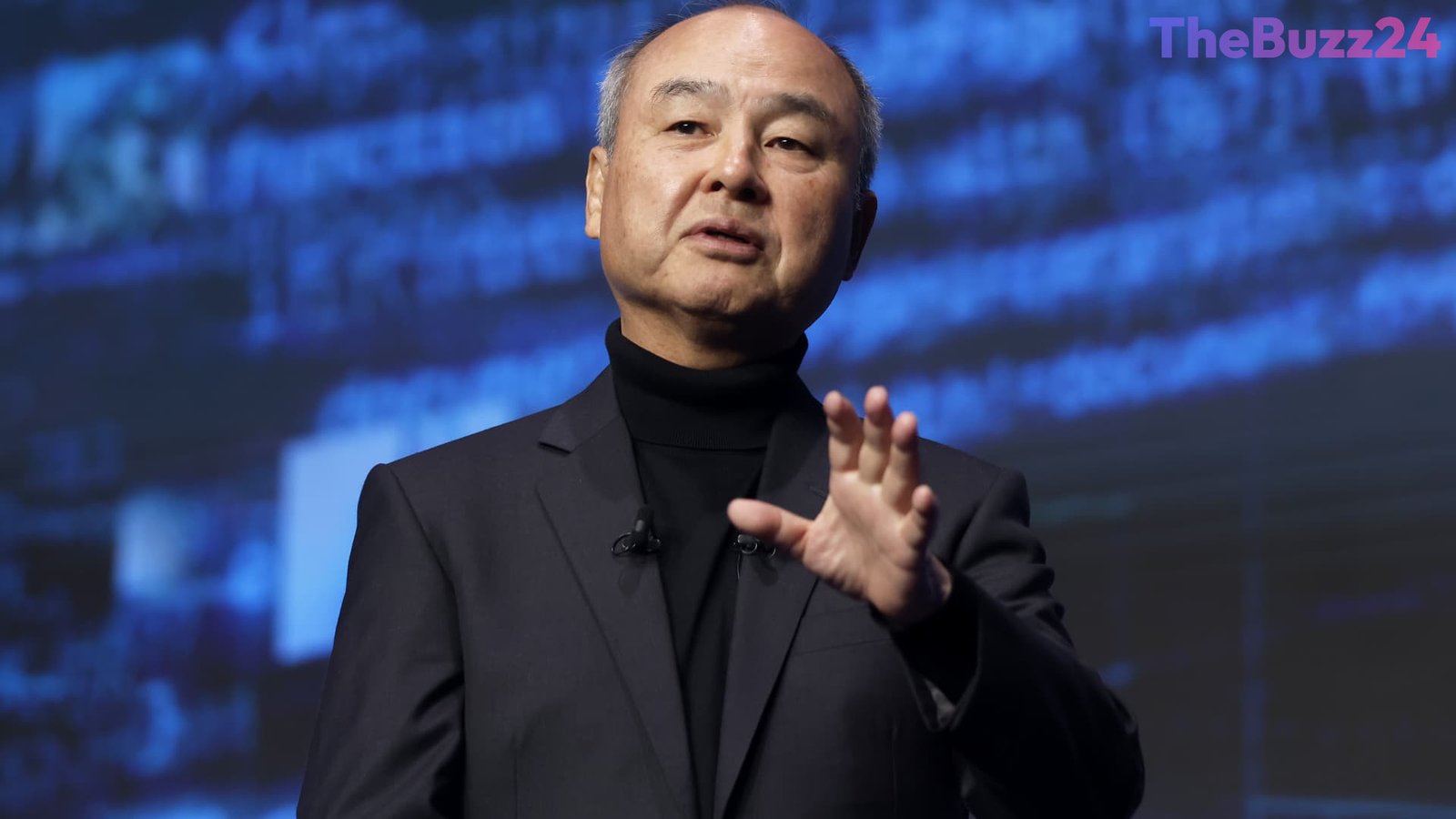
Nevertheless, SoftBank leadership remains resolutely committed to its aggressive AI-centric investment strategy. The firm has already deployed $55 billion of a planned $60 billion commitment to OpenAI, aiming to secure a 13% ownership stake. Chief Executive Masayoshi Son has repeatedly defended the company’s portfolio concentration, asserting that the ongoing artificial intelligence revolution will ultimately dwarf the historical impact of the dot-com boom by a factor of fifty.
Key Takeaways
- SoftBank reported a Q1 net profit of $2.2 billion, beating analyst expectations due to an $8.2 billion gain on its Intel investment.
- The Vision Fund recorded flat performance for its OpenAI stake, contrasting with the massive gains seen in previous quarters.
- Rising R&D costs in SoftBank's AI computing segment, including Arm, led to a widened quarterly loss of 200.8 billion yen.
Editor’s Analysis & Impact
SoftBank’s latest earnings highlight a delicate balancing act between legacy semiconductor windfalls and the high-stakes, capital-intensive nature of the generative AI boom. While the massive gain from Intel provided a welcome cushion for quarterly profits, the flat performance of OpenAI and the widening losses in the AI computing segment underscore the growing pains of the broader tech sector. Investors are transitioning from speculative enthusiasm to demanding tangible financial returns on AI infrastructure. With SoftBank’s stock down significantly from its June peak, the market is signaling caution regarding Masayoshi Son’s highly concentrated bets on Arm and OpenAI. To regain long-term investor confidence, SoftBank must demonstrate that its massive R&D outlays and multi-billion-dollar AI partnerships can translate into sustainable, operational cash flows rather than just volatile paper valuations.
Frequently Asked Questions
Q: Why did SoftBank's profits beat market expectations despite a year-on-year decline?
A: SoftBank's earnings beat was primarily driven by a massive 1.3 trillion yen ($8.2 billion) gain on its investment in U.S. chipmaker Intel, alongside a valuation increase in TikTok-owner ByteDance, which offset losses elsewhere.
Q: How did OpenAI impact SoftBank's financial results this quarter?
A: Unlike the previous quarter, which saw massive valuation gains driven by OpenAI, SoftBank recorded no investment gain or loss related to the AI startup during this fiscal first quarter.
Q: Why is SoftBank's AI computing segment experiencing wider losses?
A: The AI computing segment, which includes chip companies like Arm, Graphcore, and Ampere, saw its loss widen to 200.8 billion yen due to significantly higher research and development costs.
AI Disclosure: This article is based on verified data and official reports. Our Team and AI have cross-referenced every financial detail with primary sources to ensure total accuracy.
More from this Category