The Growing Protection Gap: Why Europe’s Wealth Remains Vulnerable to Climate Disasters
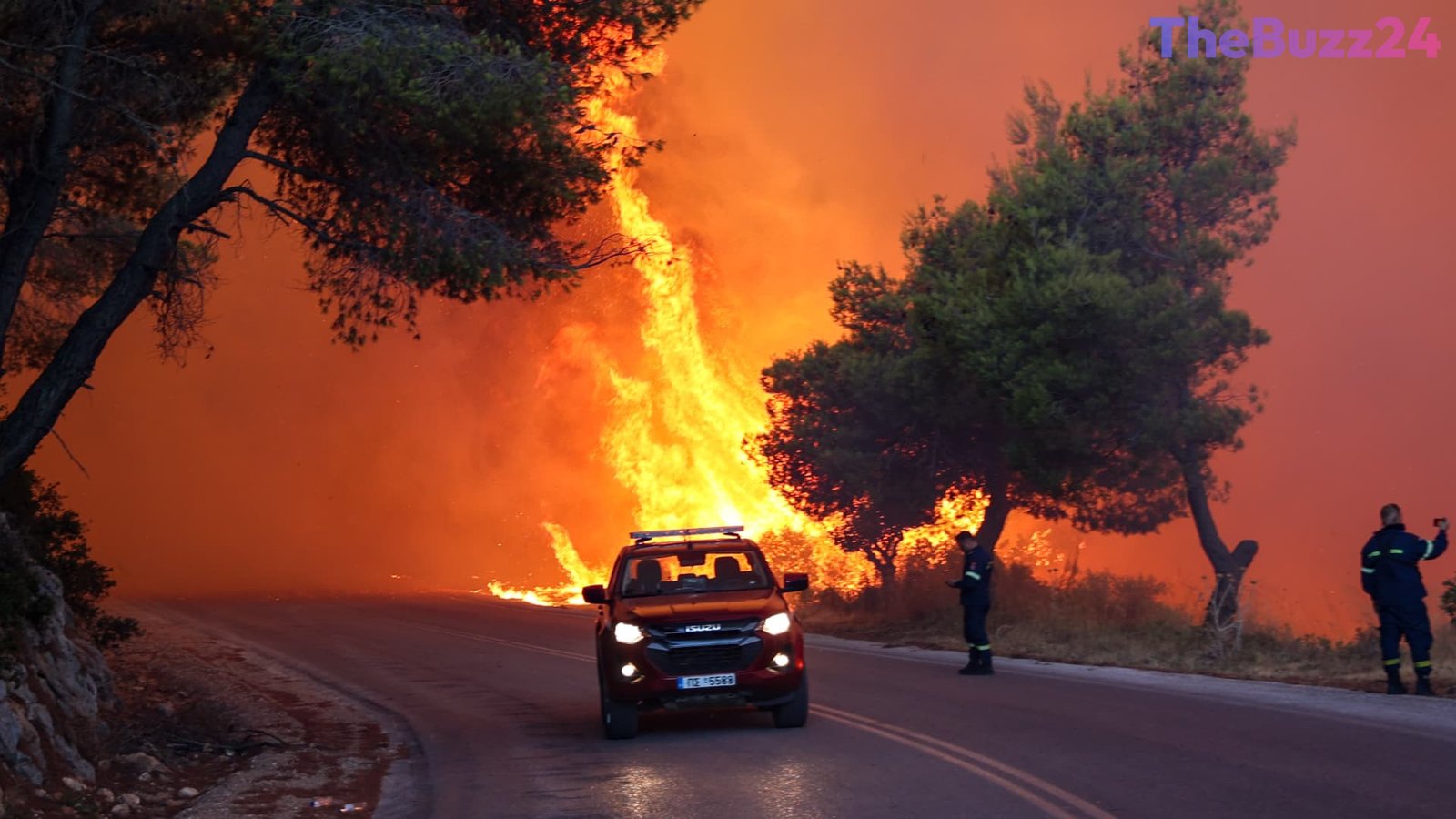
As extreme weather events like wildfires and record-breaking heatwaves become a recurring reality for Europe, the continent is facing a significant financial crisis. Major insurance providers are sounding the alarm regarding a widening ‘protection gap,’ where the costs associated with disaster recovery are rapidly outpacing the available insurance coverage. With temperatures frequently exceeding 104 degrees Fahrenheit and massive wildfires destroying hundreds of thousands of acres in nations like France, Spain, and Greece, the economic burden is increasingly falling on governments rather than private insurers.
Industry leaders, including executives from Zurich Insurance Group and Munich Re, emphasize that while weather-related risks are technically insurable, the sheer scale of the damage is becoming difficult to manage. The financial strain extends beyond property loss, impacting national budgets through the costs of emergency infrastructure, healthcare, cooling systems, and agricultural support. Data indicates that wildfire-related insurance payouts have surged dramatically over the last two decades, with sectors such as energy, real estate, and transportation bearing the brunt of these losses.
Experts argue that the current situation is exacerbated by a lack of systemic intervention and risk mitigation at the local government level. While wealth in Europe has continued to accumulate in high-risk areas, the corresponding insurance coverage has not kept pace. This leaves a substantial portion of the region’s assets exposed. Insurance firms are now calling for a more proactive approach, urging jurisdictions to prioritize risk assessment and preventative infrastructure to close the gap before the financial impact on society becomes unsustainable.
Key Takeaways
- Europe faces a significant 'protection gap' where disaster recovery costs from wildfires and heatwaves are not covered by insurance.
- Insurance payouts for wildfire losses have increased sixfold in the last decade compared to the early 2000s.
- Industry leaders are calling for systemic government intervention and better risk mitigation to protect growing assets in vulnerable regions.
Editor’s Analysis & Impact
The widening protection gap in Europe signals a critical shift in the global insurance landscape. As climate change transforms extreme weather from ‘black swan’ events into seasonal norms, the traditional model of risk transfer is being tested. The industry is moving toward a strategy that emphasizes resilience and mitigation over simple indemnity. For investors and policymakers, this implies that the cost of capital for infrastructure in high-risk zones will likely rise, and governments will be forced to integrate climate-resilient urban planning into their fiscal policies. If the gap is not addressed, the resulting economic volatility could lead to significant sovereign debt pressure, as states become the ‘insurer of last resort’ for private assets that the commercial market can no longer afford to cover.
Frequently Asked Questions
Q: What is the 'protection gap' in the context of European insurance?
A: The protection gap refers to the difference between the total economic losses caused by natural disasters and the portion of those losses that are actually covered by insurance policies.
Q: Why are insurance companies struggling to cover wildfire damages?
A: The frequency and intensity of wildfires have increased significantly, leading to massive payouts. Additionally, more wealth and expensive infrastructure are being concentrated in high-risk areas, making the potential financial impact of each event much higher than in previous decades.
AI Disclosure: This article is based on verified data and official reports. Our Team and AI have cross-referenced every financial detail with primary sources to ensure total accuracy.
More from this Category