Burger King Reclaims Crown as America’s Second-Largest Burger Chain, Ousting Wendy’s
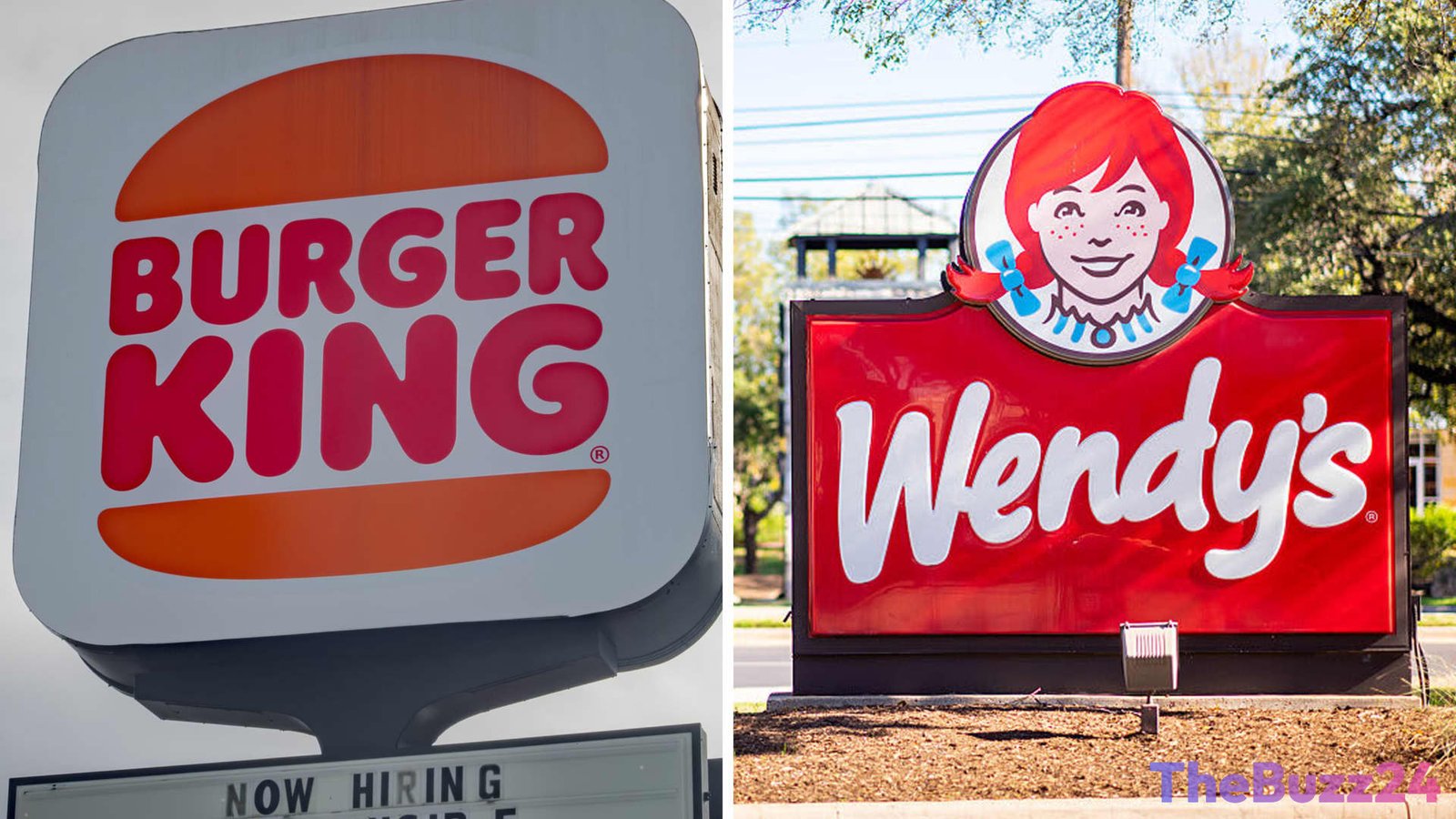
Burger King has successfully reclaimed its position as the second-largest burger chain in the United States by systemwide sales, unseating rival Wendy’s after a six-year gap. This shift highlights the success of Burger King’s aggressive domestic turnaround strategy, which has yielded positive results over the past year. Meanwhile, McDonald’s continues to dominate the fast-food landscape, maintaining a commanding lead over all competitors.
The change in rankings comes amid contrasting financial performances for the two fast-food giants. Burger King, owned by Restaurant Brands International, reported an impressive 8.5% growth in U.S. same-store sales for its second quarter, marking five consecutive quarters of domestic growth. In contrast, Wendy’s has struggled with declining domestic same-store sales for six consecutive quarters, culminating in a 7% drop in its most recent quarterly report.
Burger King’s resurgence is largely attributed to a comprehensive turnaround plan launched in late 2022. The multi-million dollar initiative focused on enhancing food quality, boosting advertising campaigns, and modernizing physical restaurant locations. These efforts helped the brand navigate post-pandemic challenges, including soaring food costs and a growing consumer demand for affordable dining options.
On the other hand, Wendy’s has faced internal instability, characterized by leadership transitions and a self-admitted erosion of its value proposition. Following the departure of long-time CEO Todd Penegor and subsequent short-term successors, newly appointed CEO Bob Wright acknowledged that the company has struggled to maintain its quality differentiation and consistent customer experience. Wendy’s is now preparing to launch its own revitalization strategy to win back market share, signaling that the battle for the number two spot is far from over.
Key Takeaways
- Burger King has overtaken Wendy's to become the second-largest U.S. burger chain by systemwide sales, reclaiming a title it lost six years ago.
- Burger King's success is driven by a late-2022 turnaround plan focusing on restaurant remodels, marketing, and food quality, resulting in an 8.5% same-store sales increase in Q2.
- Wendy's is experiencing declining sales and leadership instability, prompting its new CEO to plan a comprehensive brand revitalization.
Editor’s Analysis & Impact
The fast-food landscape is undergoing a significant realignment as inflation-weary consumers demand higher value and better experiences. Burger King’s successful reclamation of the number two spot demonstrates the power of targeted reinvestment. By focusing on modernization and marketing, Restaurant Brands International successfully revitalized a stagnant brand. However, the quick-service restaurant (QSR) sector remains highly volatile. Wendy’s slide highlights how quickly leadership instability and a weakened value proposition can erode market share, especially when beef costs are high and household budgets are tight. As Wendy’s prepares its own turnaround strategy, we expect to see an aggressive price and promotional war between the two giants. Ultimately, this rivalry will likely benefit consumers through enhanced value menus, but it will pressure profit margins across the entire fast-food industry.
Frequently Asked Questions
Q: Why did Burger King overtake Wendy's?
A: Burger King reclaimed its spot due to a successful turnaround plan launched in late 2022, which focused on improving food quality, increasing marketing investments, and remodeling stores. This led to five consecutive quarters of domestic sales growth, while Wendy's experienced declining sales.
Q: Who is the largest burger chain in the United States?
A: McDonald's remains the undisputed leader in the U.S. burger market by a wide margin, holding nearly half of the total market share.
Q: What challenges is Wendy's currently facing?
A: Wendy's has struggled with declining same-store sales, leadership turnover with multiple CEO changes in a short period, and a self-admitted weakening of its value proposition and customer experience.
AI Disclosure: This article is based on verified data and official reports. Our Team and AI have cross-referenced every financial detail with primary sources to ensure total accuracy.
More from this Category