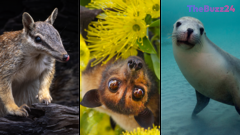
Australia’s Biodiversity Battle: The Numbat’s Remarkable Comeback Amidst a Worsening Extinction Crisis
Australia, renowned for its unique biodiversity, is paradoxically facing a severe extinction crisis, often dubbed the planet’s extinction capital. While the continent grapples with the loss of approximately four species every decade, a rare glimmer of hope emerges from the story of the numbat, a distinctive marsupial resembling a chipmunk-anteater hybrid. Once widespread across southern Australia, the numbat’s population dwindled dramatically, but dedicated conservation efforts, particularly in Western Australia’s Dryandra Woodland, have led to its recent reclassification from endangered to near-threatened on the international red list.
The numbat’s recovery is a testament to decades of tireless work by researchers like Dr. Tony Friend, often called the godfather of conservation in Western Australia, and volunteer groups such as the Numbat Taskforce. These teams conduct annual surveys, meticulously tracking numbat populations and health. However, this success story unfolds against a backdrop of escalating threats to Australia’s wildlife. Feral pests like cats and foxes decimate native populations, while extensive habitat destruction for urban development, farming, mining, and timber industries continues unabated. Diseases such as chlamydia affecting koalas and chytrid fungus impacting frogs, alongside the intensifying effects of climate change leading to extreme weather events and natural disasters, further compound the crisis. Breeding programs, like those at Perth Zoo, and fenced nature reserves offer vital lifelines, yet they face challenges of their own, including genetic diversity and overpopulation.
Despite Australia’s status as one of the wealthiest nations with world-leading scientists, its record in species conservation remains poor. While the current Labor government has pledged no new extinctions and introduced revamped environmental laws, optimism is tempered by the slow pace of implementation and a perceived lack of political will. Critics highlight that the nation’s wealth, largely built on natural resources, often comes at the environment’s expense. Furthermore, conservationists argue that government spending on nature protection is a mere fraction of what is needed, especially when compared to the substantial subsidies still directed towards industries causing environmental harm, creating a stark imbalance in priorities.
Today, approximately 3,000 numbats exist nationwide, with a tenfold increase in Dryandra Woodland. This achievement, however, carries a cautionary note: the fear that improved status might lead to reduced funding and support, mirroring the fate of the woylie (brush-tailed bettong), which recovered only to decline again. Conservationists emphasize that the numbat’s journey is far from over, requiring sustained commitment and resources to secure its long-term survival. Their fight underscores a broader message: knowing the problems and solutions is not enough; political courage and consistent investment are crucial to turn aspirations into reality and prevent further irreversible losses in Australia’s precious biodiversity.
Key Takeaways
- Australia is experiencing a severe biodiversity crisis, leading the world in mammal extinctions, with numerous species facing imminent threats from habitat loss, invasive species, and climate change.
- The numbat, a unique Australian marsupial, represents a rare conservation success story, having been reclassified from endangered to near-threatened due to dedicated efforts in places like Dryandra Woodland.
- Despite some successes, Australia's broader conservation efforts are hampered by insufficient funding, political inaction, and economic pressures that often prioritize development over environmental protection, underscoring the fragility of species recovery.
Editor’s Analysis & Impact
The ongoing biodiversity loss in Australia has significant long-term economic implications, affecting sectors like tourism, agriculture, and even potential scientific breakthroughs. Industries reliant on natural resources, such as mining and farming, face increasing scrutiny and potential regulatory changes, though current subsidies often contradict conservation goals. The outlook remains challenging despite some positive policy shifts. The success of species like the numbat highlights what is possible with sustained effort and funding, but the broader trend of decline continues. Without a substantial increase in conservation investment and stronger political will to enforce environmental standards over economic interests, Australia risks further irreversible ecological damage. Australia’s situation serves as a stark warning for global biodiversity, underscoring the complex interplay between economic development, political priorities, and environmental health. The fragility of conservation gains, as seen with the numbat’s precarious recovery, emphasizes that even successful interventions require continuous support to prevent backsliding.
Frequently Asked Questions
Q: What are the primary threats driving Australia's extinction crisis?
A: The main threats include habitat destruction due to urban development and industries like farming and mining, the impact of introduced feral pests (e.g., cats, foxes), invasive weeds, diseases affecting native species (e.g., chlamydia in koalas), and the escalating effects of climate change, such as extreme temperatures and natural disasters.
Q: How has the numbat's conservation status improved?
A: Through decades of dedicated conservation efforts, including breeding programs and habitat protection, the numbat population has significantly increased, particularly in areas like Dryandra Woodland. This success led to its reclassification from "endangered" to "near-threatened" on the international red list of threatened species.
Q: What are the main obstacles to effective conservation in Australia?
A: Key obstacles include a severe lack of government funding for conservation (spending a fraction of what experts deem necessary), insufficient political will to prioritize environmental protection over economic development, and the continued allocation of substantial subsidies to industries that harm nature.
AI Disclosure: This article is based on verified data and official reports. Our Team and AI have cross-referenced every financial detail with primary sources to ensure total accuracy.
More from this Category