Big Oil’s Record $90 Billion Cash Windfall Sparks Political Backlash and Strategic Caution
The world’s largest energy companies are facing intense scrutiny after generating a combined $48 billion in second-quarter profits and a record-breaking $90 billion in cash. The financial surge, driven by elevated fossil fuel prices amid geopolitical tensions between the United States and Iran, has positioned the five supermajors—Exxon Mobil, Chevron, BP, Shell, and TotalEnergies—in an unprecedented financial sweet spot. However, this massive accumulation of wealth has reignited fierce debates over corporate responsibility, consumer pricing, and environmental accountability.
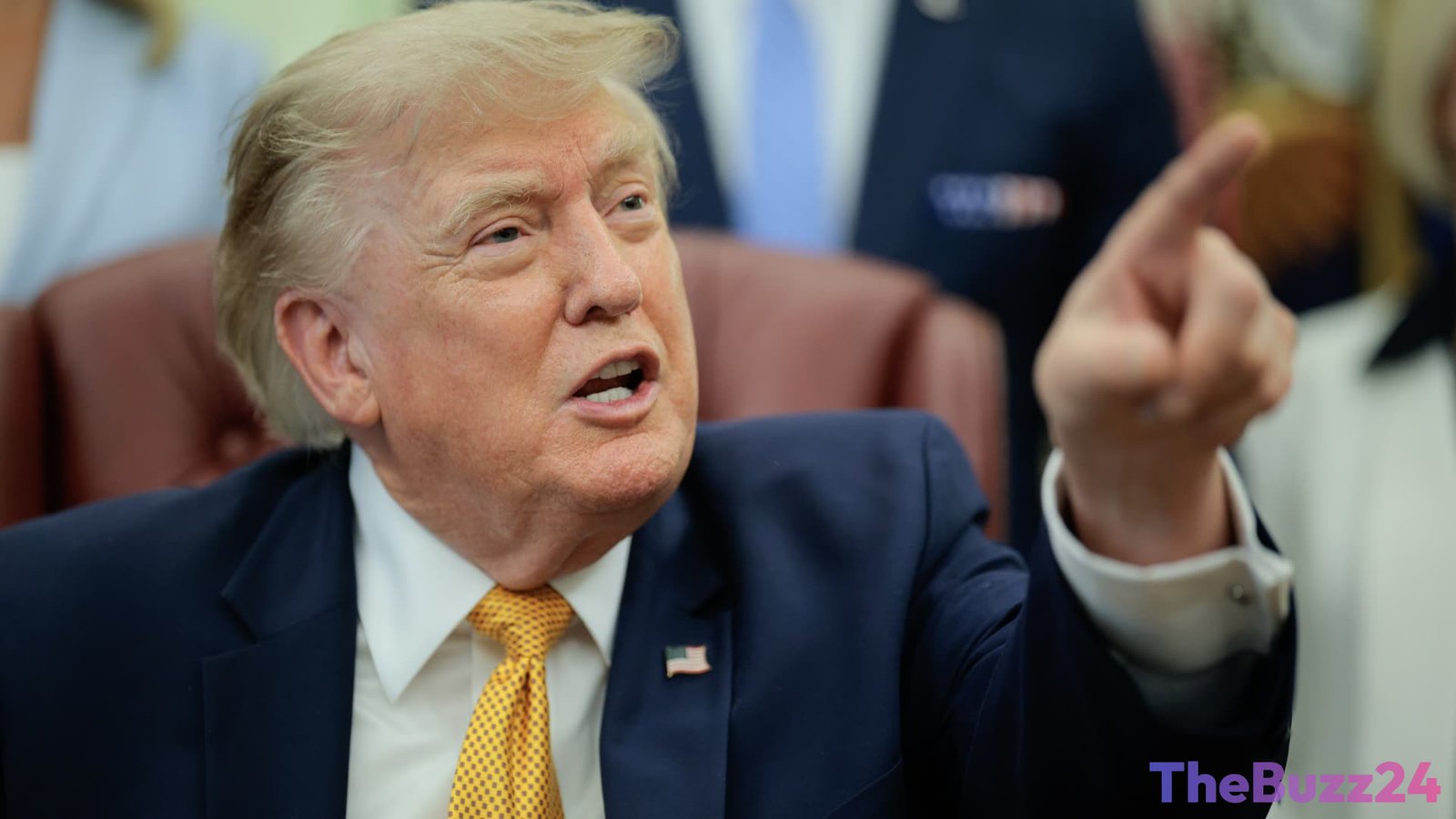
The earnings bonanza has drawn sharp criticism from across the political spectrum. Donald Trump recently targeted U.S. oil giants Exxon Mobil and Chevron, asserting that the companies are making “too much money” at the expense of everyday consumers and reiterating demands for lower prices at the pump. Simultaneously, environmental advocacy groups are leveraging these record figures to renew calls for aggressive windfall taxes, arguing that these excess profits should fund climate-resilient infrastructure to combat escalating natural disasters.
Despite the political pressure to either lower prices or aggressively expand domestic production, the supermajors are adopting a highly cautious financial strategy. Rather than launching massive new drilling campaigns, the companies are primarily focusing on shoring up their balance sheets. Industry data reveals that the firms have collectively increased their cash reserves by over $17 billion, prioritizing debt reduction and maintaining stable shareholder returns over capital-intensive expansion. While BP has focused heavily on debt reduction and operational reliability, Shell has taken a slightly more expansive approach, pursuing targeted acquisitions.
In response to the growing clamor for windfall taxes, industry representatives are warning against short-sighted policy interventions. The American Petroleum Institute argued that the oil and gas sector operates on long-term cycles spanning decades rather than quarters. The group cautioned that imposing windfall taxes would fail to lower consumer prices and would instead stifle the long-term investments required to secure energy infrastructure. As geopolitical volatility remains the new normal, energy executives are focusing on operational efficiency and optimization, wary that the current profit boom may not be sustainable if global tensions ease.
Key Takeaways
- The five largest global oil supermajors generated a record $90 billion in cash and $48 billion in profit during the second quarter, driven by geopolitical tensions.
- Donald Trump and environmental groups have criticized the massive profits, with Trump accusing Exxon Mobil and Chevron of making 'too much money' while consumers face high fuel costs.
- Instead of reinvesting the windfall into aggressive new drilling, major energy firms are prioritizing debt reduction, stockpiling cash, and maintaining stable shareholder returns.
Editor’s Analysis & Impact
The massive cash reserves accumulated by Big Oil highlight a profound shift in corporate strategy from the aggressive ‘growth at all costs’ era to one of disciplined capital allocation. By prioritizing debt reduction and cash preservation over rapid production expansion, these supermajors are preparing for a highly volatile future. They recognize that current high prices, driven by geopolitical friction, are inherently unstable. However, this conservative approach presents a public relations challenge. As consumers struggle with high energy costs, the sight of oil giants sitting on billions while resisting calls to lower prices or invest heavily in green transitions will only intensify political pressure. Expect the push for windfall taxes to gain traction, particularly in Europe, forcing these companies to continuously defend their financial strategies against accusations of profiteering.
Frequently Asked Questions
Q: Why did oil companies make record profits in the second quarter?
A: The profit surge was primarily driven by higher global fossil fuel prices resulting from geopolitical tensions, particularly friction between the United States and Iran, which disrupted energy markets.
Q: How are these energy giants spending their cash windfall?
A: Instead of launching massive new drilling projects, the supermajors are focusing on financial discipline. They are stockpiling cash reserves, paying down corporate debt, maintaining stable dividends, and pursuing highly selective acquisitions.
Q: What is the industry's stance on proposed windfall taxes?
A: Industry groups like the American Petroleum Institute argue that windfall taxes are counterproductive. They contend that such taxes do not lower consumer prices and instead discourage the long-term investments needed to secure energy supplies and infrastructure.
AI Disclosure: This article is based on verified data and official reports. Our Team and AI have cross-referenced every financial detail with primary sources to ensure total accuracy.
More from this Category