Election Forecasters Stumble as Outsiders Triumph in Key Primaries
Recent primary elections in Wisconsin and Michigan have highlighted significant discrepancies between public opinion polls, prediction markets, and actual election outcomes. In Wisconsin’s Democratic gubernatorial primary, an unexpected candidate secured victory, defying pre-election forecasts that predicted a substantial lead for a different contender. This marks the second instance in a short period where established polling and prediction models have faltered, following a similar miss in Michigan’s Democratic U.S. Senate primary.
The results from Tuesday’s contests in Wisconsin and Minnesota present a complex picture for the Democratic Party, occurring amidst a broader trend of progressive influence across the nation. In Wisconsin, State Representative Francesca Hong, a democratic socialist, was widely expected to win her primary by a considerable margin, according to the latest polling data. However, she narrowly lost to the more moderate Milwaukee County Executive David Crowley, with the margin being less than one percentage point. This outcome is the latest in a series of notable polling inaccuracies in primary races leading up to the 2026 midterm elections, a period also characterized by increased financial investment in electoral processes and the growing prominence of prediction markets for election betting.
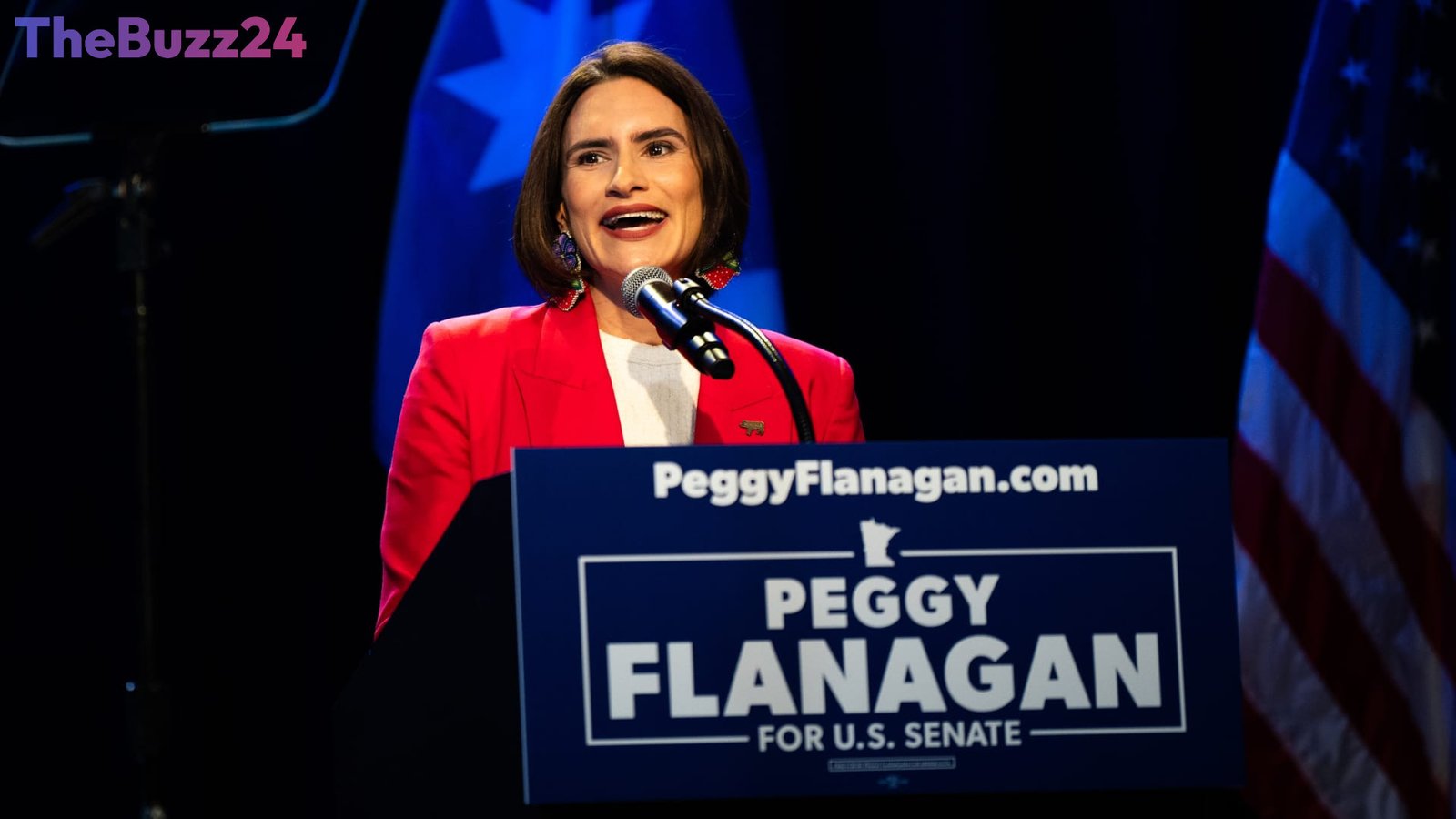
Similarly, in Minnesota, Lieutenant Governor Peggy Flanagan decisively defeated Representative Angie Craig by nearly 20 percentage points in the Democratic Senate race, despite some recent polls suggesting a much closer contest. The previous week in Michigan, Democratic Senate candidate Abdul El-Sayed achieved a narrow one-percentage-point victory, a result that starkly contrasted with polls that had indicated a double-digit lead over Representative Haley Stevens. These polling errors are occurring as progressive candidates gain traction in Democratic primaries nationwide, potentially influencing the party’s economic strategies. Hong, for example, advocated for policies such as government-operated grocery stores, increased taxes on high earners, and publicly funded childcare.
Experts suggest several factors may have contributed to the polling inaccuracies in Wisconsin. One theory posits that white progressives, a key demographic for left-leaning candidates, might be more responsive to pollsters than other Democratic voters. Additionally, Wisconsin’s open primary system, which does not require party registration, can complicate efforts to accurately gauge the electorate. The dynamic nature of the race, with potential shifts in voter sentiment in the final days, and the national attention garnered by progressive candidates like El-Sayed following his Michigan win, may have also influenced voter decisions in Wisconsin. The visibility of candidates like Hong through expanded media appearances could have also raised concerns about their general election viability.
Key Takeaways
- Recent primary elections in Wisconsin and Michigan saw significant polling and prediction market misses, with underdogs achieving unexpected victories.
- The results highlight a potential disconnect between forecasters' expectations and the actual voting behavior of Democrats, particularly concerning progressive candidates.
- Factors such as open primaries, shifts in voter sentiment, and the influence of national progressive trends may have contributed to the inaccurate predictions.
Editor’s Analysis & Impact
The recent primary election results underscore a persistent challenge for pollsters and prediction markets: accurately capturing the electorate’s sentiment, especially in dynamic political environments. The repeated misses suggest that traditional polling methods may be struggling to account for rapidly shifting voter allegiances and the growing influence of progressive factions within the Democratic Party. This could lead to a re-evaluation of forecasting techniques and a greater reliance on real-time data analysis. For political campaigns, these outcomes emphasize the importance of grassroots engagement and adapting strategies to resonate with evolving voter priorities, rather than solely relying on established predictions. The trend also signals a potential shift in the Democratic Party’s platform and its approach to economic and social issues.
Frequently Asked Questions
Q: Why did polls and prediction markets fail to accurately predict the primary results?
A: Several factors likely contributed, including potential biases in who responds to polls, the complexities of open primary systems, last-minute shifts in voter sentiment, and the difficulty in forecasting the impact of national progressive trends on local races. Prediction markets, while often efficient, can also be influenced by the same polling data that proves inaccurate.
Q: What does this mean for the Democratic Party?
A: The results present a mixed picture. While the success of some progressive candidates indicates their growing influence, the unexpected losses for others, despite strong polling, suggest that the party's 'establishment' still holds sway, and that electability remains a key concern for voters. It highlights an ongoing internal debate within the party about its future direction and policy priorities.
Q: Are prediction markets still useful for election forecasting?
A: Yes, prediction markets can still be valuable tools, especially for pricing in factors beyond traditional polls. However, their accuracy is dependent on the quality of information available and the participation of informed traders. When the underlying data (like polls) is flawed, the markets' predictions can also be skewed, as seen in these recent primaries.
AI Disclosure: This article is based on verified data and official reports. Our Team and AI have cross-referenced every financial detail with primary sources to ensure total accuracy.
More from this Category