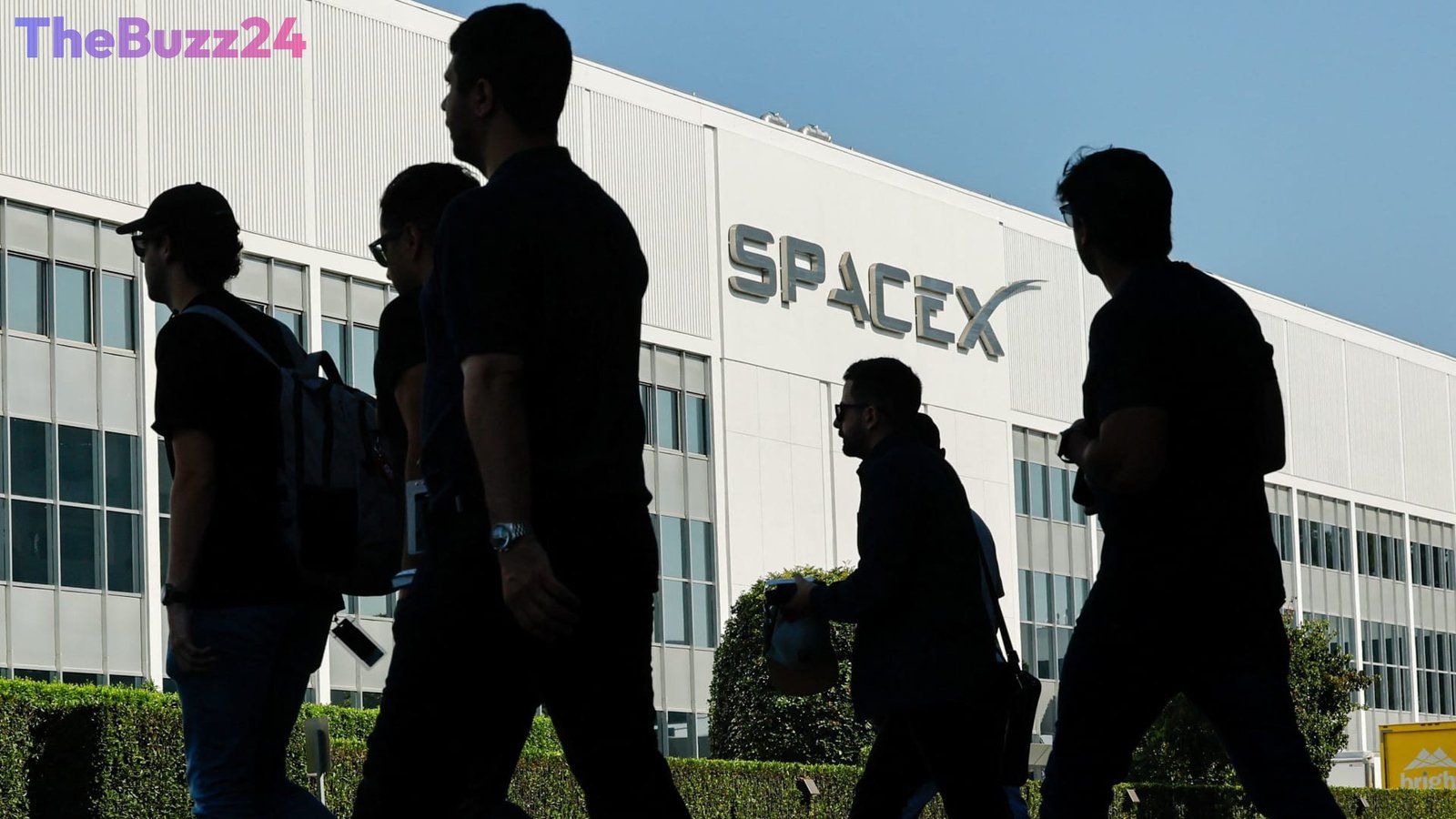
SpaceX Eyes $40 Billion Debt Financing Deal With Apollo to Fund Massive Nvidia GPU Expansion
SpaceX is actively negotiating with Apollo Global Management and a syndicate of major financial institutions to secure approximately $40 billion in debt financing. The capital is intended to fund a massive acquisition of advanced Nvidia graphics processing units (GPUs) to support its rapidly expanding computational and artificial intelligence infrastructure. While the discussions remain preliminary and terms have not yet been finalized, the framework aims to leverage the investment-grade debt market, potentially utilizing the high-demand processors themselves as collateral.
The aggressive hardware expansion aligns with Elon Musk’s broader push to build out unprecedented computational power. Facilities like the Colossus data center complex in Memphis, Tennessee, already operate hundreds of thousands of high-performance Nvidia chips, with targets set to scale beyond 1.2 million units. Developing this compute infrastructure is positioned to support partnerships with leading technology entities such as Google and Anthropic, alongside powering internal systems.
Financing an acquisition of this scale underscores an accelerating trend across the technology sector, where major players including Meta, Amazon, and Google have turned to bond markets to fund surging capital expenditures for infrastructure. Creditors are currently pricing in expectations that cutting-edge GPUs will retain strong residual value over a roughly seven-year lifespan, bolstered by an ongoing global scarcity of enterprise-grade compute hardware.
However, the anticipated debt arrangement arrives at a time of growing discernment within fixed-income markets. Credit spreads have expanded and bond investors are increasingly demanding higher yields to finance AI-linked exposure. With SpaceX already carrying significant debt on its balance sheet, the proposed financing effort will serve as a crucial barometer of the market’s willingness to underwrite capital-intensive hardware bets.
Key Takeaways
- SpaceX is in discussions with Apollo Global Management and banking partners to secure up to $40 billion in debt financing to acquire Nvidia GPUs.
- The prospective deal is expected to leverage the investment-grade debt market, using the high-performance hardware as collateral.
- The massive purchase comes amid tightening credit conditions and higher yield demands for capital-intensive AI infrastructure projects.
Editor’s Analysis & Impact
The prospective $40 billion financing arrangement signals a defining shift in how artificial intelligence infrastructure is funded, moving from equity reserves toward asset-backed corporate debt. Treating Nvidia GPUs akin to traditional hard assets like commercial aircraft or real estate demonstrates immense confidence in the sustained economic value of computing power. Nonetheless, this approach introduces structural vulnerabilities. Silicon technology evolves at a rapid pace, and assuming that current-generation processors will maintain sufficient resale value over a seven-year horizon may prove risky if next-generation architectures deliver massive efficiency leaps. Furthermore, as bond markets demand wider credit spreads for high-exposure tech projects, the rising cost of servicing this debt will place heightened pressure on operators to monetize compute capacity rapidly and sustainably.
Frequently Asked Questions
Q: What is the purpose of SpaceX's proposed $40 billion debt deal?
A: The financing is intended to fund a massive procurement of Nvidia graphics processing units to significantly expand data center capacity and artificial intelligence infrastructure.
Q: How will the financing structure likely work?
A: The transaction is expected to rely on the investment-grade bond market, with Apollo Global Management playing a key role and the acquired GPUs likely serving as loan collateral.
Q: Why are fixed-income investors becoming more cautious regarding AI debt?
A: Investors have grown more selective due to rising debt loads, widening credit spreads, and the risk of hardware depreciation, prompting them to demand higher yields on tech-related bonds.
AI Disclosure: This article is based on verified data and official reports. Our Team and AI have cross-referenced every financial detail with primary sources to ensure total accuracy.
More from this Category