IEA Diesel Stock Release Triggers Oil Price Dip Amid Ongoing Middle East Tensions
Global crude oil prices experienced a downward shift following a strategic agreement by the International Energy Agency (IEA) to prioritize the release of diesel reserves. This coordinated effort aims to alleviate the pressure of soaring fuel costs. Consequently, Brent crude futures settled lower at $100.20 per barrel, while U.S. West Texas Intermediate (WTI) fell to $88.28 per barrel.
IEA Executive Director Fatih Birol confirmed that member nations are focusing on diesel distribution to address the current tightness in the fuel markets. Under an emergency action plan initiated in March to counter supply disruptions, member states have already deployed approximately 325 million barrels of oil, leaving 100 million barrels still available from that specific allocation. Birol emphasized that the agency retains substantial emergency reserves totaling 1.1 billion barrels—including over 200 million barrels of diesel—and stands ready to inject more supply into the market if conditions warrant. This decision aligns with recent G7 discussions regarding emergency fuel deployments.
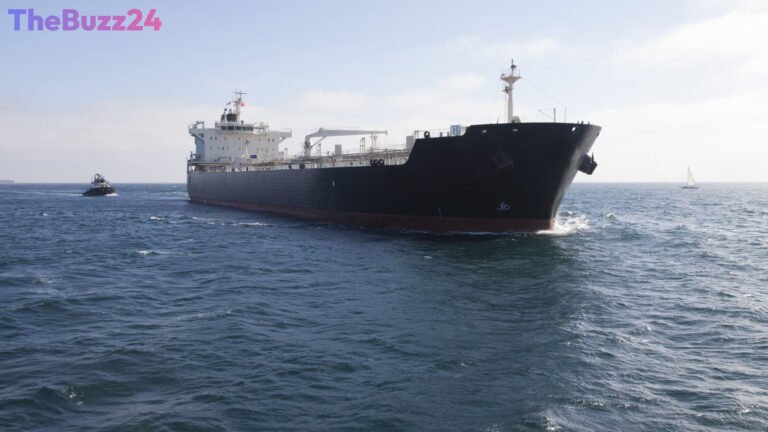
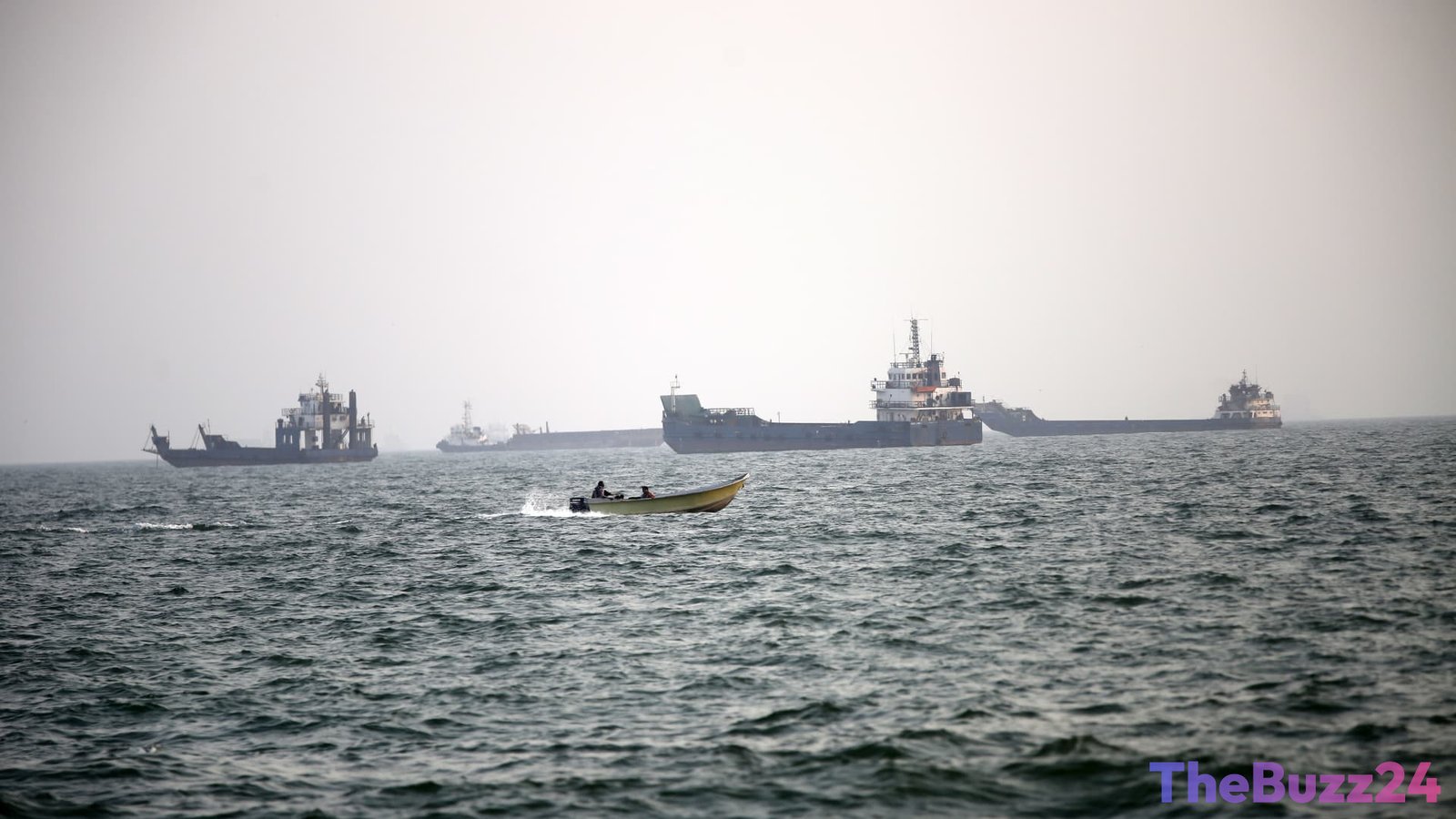
Despite the downward pressure from these supply measures, the oil market remains highly sensitive to escalating geopolitical risks in the Middle East. Recent drone and missile strikes by Iran-backed Houthi militants targeting Saudi Arabian infrastructure, including airports in Jazan and Najran, have renewed fears of supply vulnerabilities. Although Saudi Arabia’s East-West pipeline recently recovered to transport 5.8 million barrels daily after sustaining previous damage, ongoing hostilities and threats to tanker transit in the Strait of Hormuz continue to worry traders.
Market analysts highlight this delicate balance between expanding physical supplies and persistent geopolitical threats. Naeem Aslam, chief investment officer of Zaye Capital Markets, noted that oil remains caught between improving physical supply and persistent geopolitical risk. Furthermore, Samer Hasn, senior market analyst at XS.com, warned that the sustained ability of the Houthis to target oil facilities deep within Saudi territory keeps the risk of a renewed, large-scale crude supply disruption high.
Key Takeaways
- Brent and WTI crude prices declined after the IEA announced plans to prioritize the release of emergency diesel stocks to combat high fuel prices.
- The IEA still holds substantial emergency reserves, including over 200 million barrels of diesel, out of a total 1.1 billion barrel stockpile.
- Geopolitical tensions in the Middle East, particularly Houthi attacks on Saudi infrastructure and threats in the Strait of Hormuz, continue to put upward pressure on oil prices.
Editor’s Analysis & Impact
The IEA’s decision to prioritize diesel releases represents a tactical intervention to stabilize a highly volatile energy market. By targeting diesel—a critical fuel for industrial transport, agriculture, and heating—policymakers hope to directly curb inflationary pressures. However, this supply-side relief is a temporary fix. The broader market remains hostage to geopolitical instability in the Middle East. Ongoing Houthi strikes on Saudi Arabian infrastructure and friction in the Strait of Hormuz highlight the fragility of global supply chains. While the release of emergency reserves can cap immediate price spikes, long-term price stability will depend on resolving these geopolitical conflicts and ensuring the security of key transit routes. Investors should brace for continued volatility as the market balances physical supply injections against persistent geopolitical risk premiums.
Frequently Asked Questions
Q: Why did the IEA decide to prioritize diesel stocks?
A: The IEA prioritized diesel releases to address severe tightness in global diesel markets and help lower surging fuel costs that impact transport and industrial sectors.
Q: How much oil does the IEA have left in its emergency reserves?
A: The IEA member states hold approximately 1.1 billion barrels in emergency reserves, which includes more than 200 million barrels of diesel.
Q: What geopolitical factors are currently keeping oil prices volatile?
A: Oil prices are being influenced by ongoing conflicts in the Middle East, specifically drone attacks by Houthi militants on Saudi Arabian infrastructure and threats to oil tankers transiting the Strait of Hormuz.
AI Disclosure: This article is based on verified data and official reports. Our Team and AI have cross-referenced every financial detail with primary sources to ensure total accuracy.
More from this Category