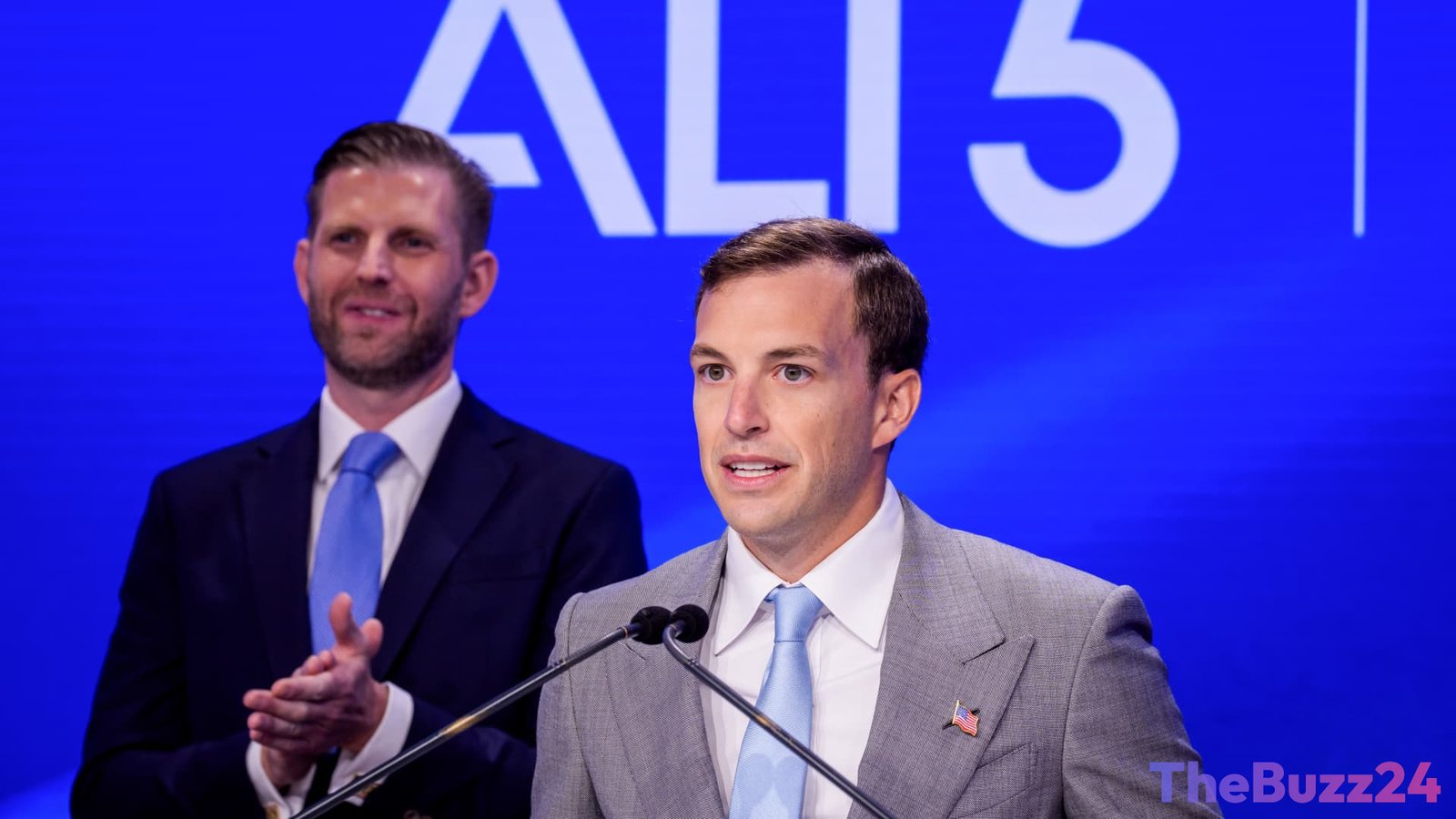
Trump-Backed Crypto Venture Secures Conditional Federal Banking Charter
The Office of the Comptroller of the Currency (OCC) has granted conditional approval for a national trust bank charter to World Liberty Trust Co. This entity is sponsored by World Liberty Financial, a cryptocurrency venture in which President Donald Trump and his family members hold a significant 38% ownership stake through an affiliated entity. The conditional approval marks a major regulatory milestone for the prominent political family’s digital asset ambitions.
Securing this charter will allow World Liberty to bring its stablecoin operations entirely in-house. Currently, the firm relies on third-party custodians like BitGo to manage its stablecoin services. By transitioning these operations internally, World Liberty can directly issue and manage stablecoins—cryptocurrencies pegged to the U.S. dollar and backed by highly secure reserve assets like U.S. Treasurys—potentially unlocking a highly lucrative revenue stream.
However, the charter is not yet finalized. World Liberty Trust must still satisfy several regulatory requirements, including raising necessary capital, before the approval becomes absolute. The OCC’s decision comes amid a notable surge in bank charter applications under the current administration, with the agency receiving 40 applications since 2025, many of which are linked to blockchain and cryptocurrency initiatives.
The development has also reignited political debates surrounding the intersection of public office and private financial interests. Prominent Democrats, including Senator Elizabeth Warren, have voiced strong opposition to the approval, urging regulators to block the charter unless the Trump family divests from the venture. Critics have also cited these conflicts of interest as a primary reason for withholding support from the Clarity Act, a legislative framework aimed at regulating the broader digital asset industry.
Key Takeaways
- The OCC has conditionally approved a national trust bank charter for World Liberty Trust Co., which is sponsored by a crypto firm 38% owned by an entity affiliated with the Trump family.
- The charter will enable World Liberty to internalize its stablecoin operations, reducing its reliance on third-party providers like BitGo.
- The approval has sparked political controversy, with Democratic lawmakers raising concerns over potential conflicts of interest and calling for divestment.
Editor’s Analysis & Impact
The conditional charter approval for World Liberty Trust Co. signals a pivotal shift in how federal regulators approach crypto-focused banking applications. Under the current administration, the OCC has shown a renewed willingness to integrate digital asset firms into the traditional financial system, as evidenced by the surge in charter applications since 2025. By bringing stablecoin issuance in-house, World Liberty positions itself to capture substantial yields from U.S. Treasury reserves, a business model that has proven highly profitable for established stablecoin issuers. However, the close ties between the venture and the Trump family ensure that the firm will remain under intense political and regulatory scrutiny. This high-profile case could set a precedent for how conflict-of-interest guidelines are applied to digital asset ventures connected to active political figures, potentially shaping future legislative efforts like the Clarity Act.
Frequently Asked Questions
Q: What is World Liberty Trust Co. and how is it connected to the Trump family?
A: World Liberty Trust Co. is a trust company sponsored by World Liberty Financial, a crypto firm in which an entity affiliated with President Donald Trump and his family owns a 38% stake.
Q: What does the conditional OCC charter allow the company to do?
A: The national trust bank charter will allow the company to bring its stablecoin services in-house, enabling it to issue and manage dollar-backed digital assets directly rather than relying on third-party custodians.
Q: Why is this charter approval controversial?
A: Critics, including Senator Elizabeth Warren and other congressional Democrats, argue that the Trump family's financial stake in the crypto firm creates significant conflicts of interest, leading to calls for divestment and resistance to broader crypto regulatory legislation.
AI Disclosure: This article is based on verified data and official reports. Our Team and AI have cross-referenced every financial detail with primary sources to ensure total accuracy.
More from this Category