U.S. Imposes Sweeping Tariffs on Foreign Drones and Parts, Triggering Stock Surge in Domestic Manufacturers
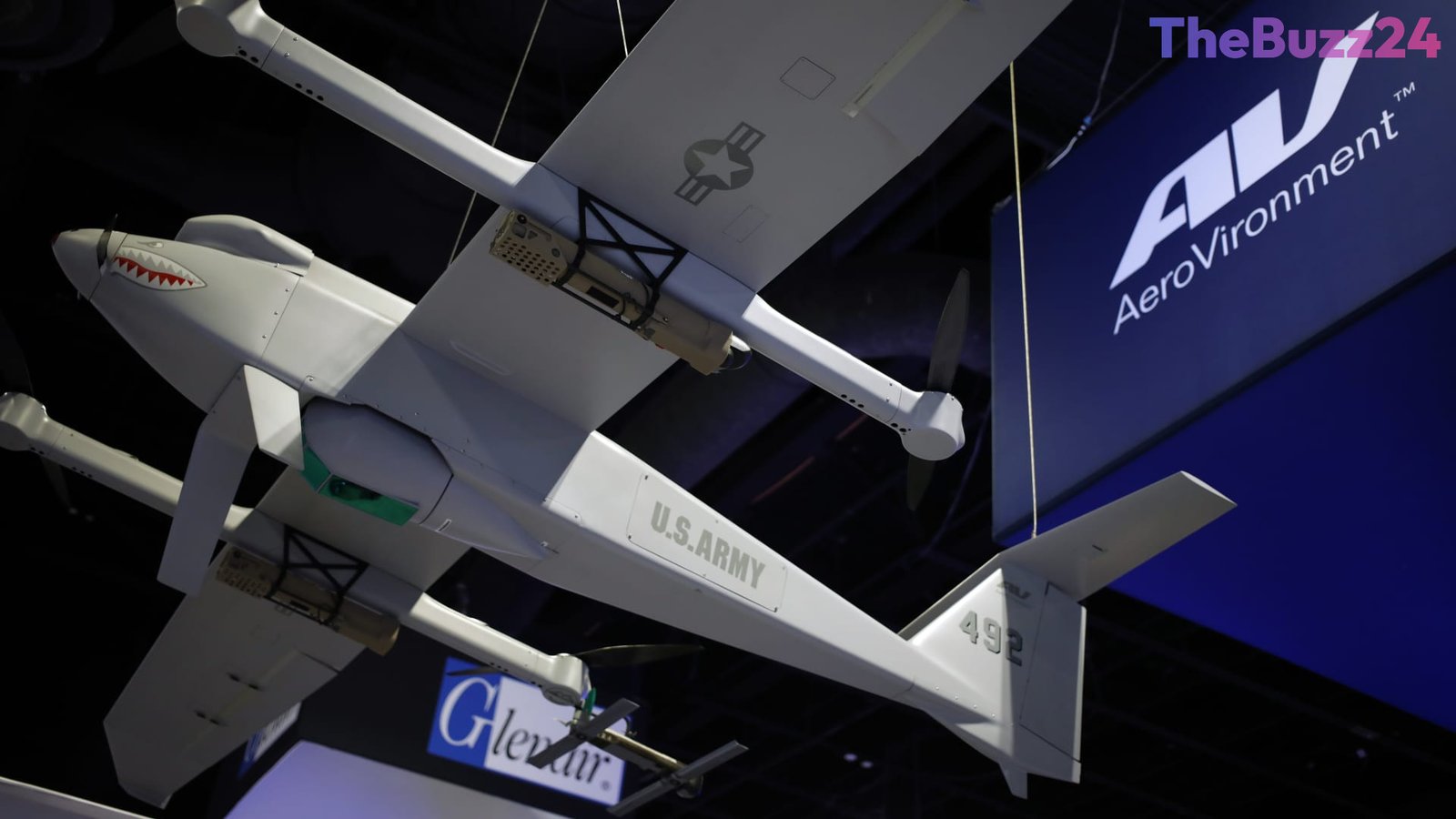
Domestic unmanned aerial vehicle (UAV) manufacturers experienced a sharp boost in market value following the announcement of a comprehensive tariff structure on foreign-made drones and components. Aimed at revitalizing American manufacturing and strengthening national defense, the new policy directly targets supply chains heavily dependent on overseas markets, particularly China. Following the executive directive, several U.S. defense and aerospace stocks surged, with Unusual Machines spiking by more than 24%, Red Cat climbing nearly 9%, and both Kratos Defense and AeroVironment posting solid gains.
The regulatory framework imposes steep duties based on capability and origin. Large, high-end drones equipped with sensitive tactical capabilities, such as advanced thermal imaging, face tariffs as high as 100%, while smaller standard models will carry a 25% levy. Key international partners are also subject to varied duty rates, including a 15% tariff on imports from the European Union, Japan, South Korea, Switzerland, and Taiwan, along with a 10% tariff on equipment from the United Kingdom. Sensitive technology restrictions will take effect in 21 days, with non-sensitive hardware phased in over a 180-day window.
This aggressive trade stance comes amid a broader military reindustrialization push designed to reduce vulnerabilities within critical defense supply chains. Federal officials emphasize that relying on foreign component manufacturers creates severe cybersecurity and operational risks during geopolitical friction. To accelerate the transition toward domestic sourcing, the Department of Commerce is initiating an onshoring program offering support to companies building out industrial drone assembly inside the United States.
The policy aligns with federal procurement strategies that have heavily prioritized autonomous systems. The administration has requested a landmark $1.5 trillion defense budget for 2027, which includes roughly $75 billion specifically allocated for drone development and procurement. As global conflicts highlight the strategic value of cost-effective aerial systems, the combined legislative and financial support is poised to transform the domestic defense technology landscape.
Key Takeaways
- New federal tariffs will impose up to 100% duties on sensitive foreign-made drones and components to boost domestic production and security.
- U.S. drone makers saw immediate market gains, with stocks such as Unusual Machines surging over 24% and Red Cat rising nearly 9%.
- The policy aligns with broader defense priorities, including a proposed $75 billion drone procurement budget for 2027.
Editor’s Analysis & Impact
The decision to levy sweeping tariffs on foreign-made drones marks a decisive turning point in American industrial and defense policy. For years, the commercial and entry-level drone sectors have been overwhelmingly dominated by foreign manufacturers, most notably Chinese firms like DJI. By applying aggressive duties alongside federal onshoring incentives, policymakers are working to build a self-sustaining domestic supply chain from the ground up. In the near term, domestic producers may face logistical bottlenecks as they rush to scale capacity to meet commercial and defense demand. However, the long-term outlook offers enormous upside for homegrown defense tech firms, especially with tens of billions in federal procurement capital backing the transition toward autonomous, cost-effective military assets.
Frequently Asked Questions
Q: What are the new tariff rates on imported drones?
A: The policy imposes a 100% tariff on large drones with sensitive military features like thermal imaging and a 25% tariff on smaller, standard drones. Allied nations face differentiated rates, ranging from 10% for the UK to 15% for the EU, Japan, South Korea, Switzerland, and Taiwan.
Q: When do these drone tariffs take effect?
A: Tariffs covering critical and sensitive drone technology take effect within 21 days of the announcement, while tariffs on non-sensitive drones and parts are scheduled to be implemented over a 180-day timeline.
Q: Why is the U.S. targeting foreign drone imports?
A: The primary objective is to safeguard national and cybersecurity by removing foreign-made components from critical infrastructure, while simultaneously fostering U.S. manufacturing jobs and industrial defense independence.
AI Disclosure: This article is based on verified data and official reports. Our Team and AI have cross-referenced every financial detail with primary sources to ensure total accuracy.
More from this Category