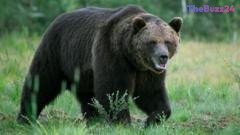
Tragic Bear Attack in Mongolian Outskirts Sparks Safety Concerns
A residential attack by a bear near Mongolia’s capital has left one man dead and a woman seriously injured. The tragic incident took place overnight in the Bayanzurkh district located on the fringes of Ulaanbaatar, occurring inside a traditional nomadic dwelling known as a ger.
The male victim, aged in his 40s, succumbed to his injuries at the scene, while the female victim in her 50s managed to escape and alert nearby residents. Authorities confirmed she was subsequently hospitalized in critical condition. In response to the fatal encounter, wildlife rangers and local law enforcement have launched an intensive search operation to locate and capture the animal.
Encounters between wild bears and human populations have surged dramatically in recent years throughout the region. Local government figures reveal that bear sightings near the capital skyrocketed to 24 incidents this year, a sharp rise from just two recorded sightings in 2018. Experts attribute this concerning trend to environmental pressures, including ongoing climate change and dwindling natural food sources in the wild.
In an effort to manage the escalating crisis, authorities have issued hunting permits across eight provinces and are actively working to equip rangers with tranquilization equipment. Residents residing in and around the capital have been strongly advised to remain vigilant, report any wildlife encounters immediately, and take precautionary measures as human-animal conflicts continue to rise.
Key Takeaways
- A bear attacked a traditional Mongolian ger near Ulaanbaatar, killing a man and seriously injuring a woman.
- Bear sightings near the Mongolian capital have jumped from two in 2018 to 24 in the current year.
- Authorities have responded by issuing hunting permits and seeking tranquilizer equipment for rangers.
Editor’s Analysis & Impact
The tragic incident near Ulaanbaatar highlights a growing ecological and public safety challenge driven by environmental pressures. As climate change alters natural habitats and diminishes food availability, wildlife is increasingly encroaching upon human settlements. For Mongolia, where a blend of nomadic traditions and growing urbanization creates unique living arrangements, this trend poses significant risks. The surge in bear sightings underscores the urgent need for comprehensive wildlife management strategies, improved public awareness campaigns, and better funding for rural conservation teams. Addressing these human-wildlife conflicts will require balancing ecological preservation with the immediate safety of local communities.
Frequently Asked Questions
Q: Where did the bear attack take place?
A: The attack occurred in the Bayanzurkh district near the Mongolian capital of Ulaanbaatar, inside a traditional nomadic tent known as a ger.
Q: What factors are driving the increase in bear sightings near human settlements?
A: Officials attribute the rising number of encounters to environmental factors such as climate change and food scarcity in the wild.
Q: How are authorities responding to the increase in bear interactions?
A: Authorities have issued bear-hunting permits across eight provinces, deployed ranger search teams, and are seeking tranquilizer dart guns to handle the situation safely.
AI Disclosure: This article is based on verified data and official reports. Our Team and AI have cross-referenced every financial detail with primary sources to ensure total accuracy.
More from this Category