UK Betting Exchange Smarkets Navigates U.S. Regulatory Maze for Prediction Markets and Sportsbooks
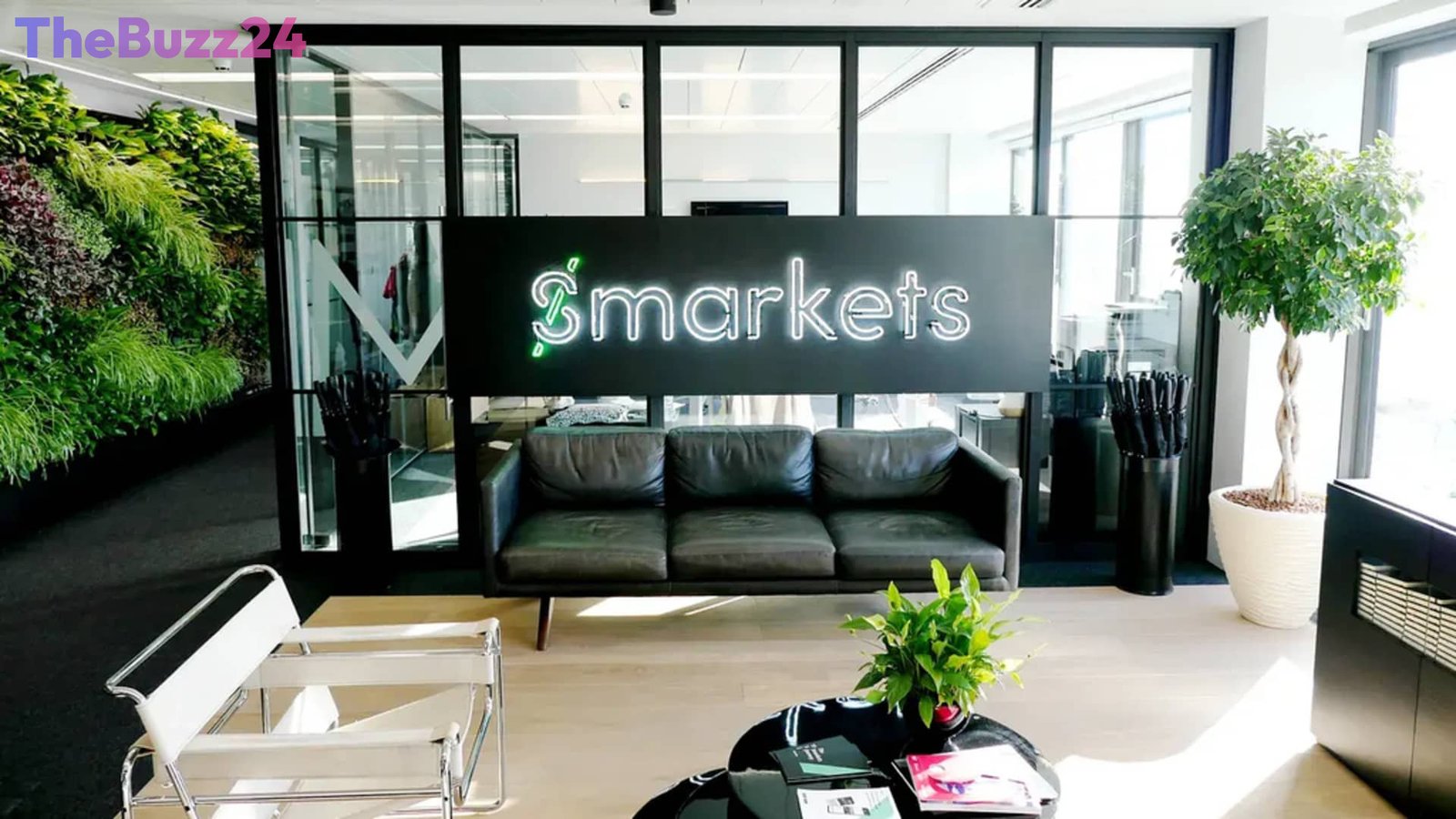
Smarkets, a prominent UK-based betting exchange with a substantial trading history exceeding $60 billion, is strategically entering the United States market by pursuing a dual regulatory approach. The company has filed for a license with the Commodity Futures Trading Commission (CFTC) and is simultaneously seeking approval to operate as a sportsbook in key states like Illinois, Iowa, and Michigan. This strategy aims to navigate the complex and evolving legal landscape surrounding prediction markets and sports betting in the U.S.
According to Smarkets’ American founder, Jason Trost, the company’s decision to pursue both federal and state-level approvals stems from the uncertainty regarding the CFTC’s federal preemption authority over prediction markets. Similar to other platforms like Kalshi and Polymarket, Smarkets sees significant volume driven by sports-related events. However, the regulatory environment is contentious, with several states challenging prediction markets as illegal gambling operations, while the CFTC has intervened to protect these platforms from state-level regulation.
The ongoing dispute between federal agencies and state attorneys general over regulatory jurisdiction creates a challenging environment. Forty-four state attorneys general have expressed concerns that the CFTC may not be the sole regulator for sports-event contracts. In response to this, Smarkets is actively engaging with state regulators, having already applied for sportsbook licenses in Illinois and Michigan, states where prediction markets have been classified as unlicensed sports betting. The company currently operates a sportsbook in Indiana.
While Smarkets’ preferred route is to operate as a prediction market exchange under CFTC regulation, viewing these contracts as federally regulated swaps, the company is prepared to adapt. Trost emphasized that Smarkets aims to be a responsible operator, drawing on its experience in diverse regulatory environments across four European countries. He also highlighted the responsibility of industry players to adhere to regulations, cautioning that some competitors risk damaging the industry’s reputation through non-compliance.
Key Takeaways
- UK betting exchange Smarkets is entering the U.S. market via a dual strategy, seeking both CFTC regulation for prediction markets and state licenses for sportsbooks.
- The company aims to navigate regulatory uncertainty, as states and the CFTC clash over jurisdiction for prediction market platforms.
- Smarkets emphasizes its commitment to compliance and responsible operation, drawing on international experience to adapt to U.S. regulations.
Editor’s Analysis & Impact
Smarkets’ dual-track approach highlights the significant regulatory hurdles and opportunities within the burgeoning U.S. prediction market and sports betting industries. The company’s strategy reflects a pragmatic response to the fragmented legal landscape, where federal and state authorities are still defining their roles. By seeking both CFTC oversight and state sportsbook licenses, Smarkets aims to secure a foothold regardless of future regulatory rulings. This move could set a precedent for other international operators and underscores the growing convergence between financial derivatives and betting markets. The success of this strategy will depend on Smarkets’ ability to meet diverse compliance standards and potentially influence the ongoing regulatory debates.
Frequently Asked Questions
Q: What is Smarkets?
A: Smarkets is a UK-based betting exchange founded in 2008, facilitating trading on a wide range of events, including sports and political outcomes. It has handled over $60 billion in lifetime trading volume.
Q: Why is Smarkets pursuing a dual regulatory approach in the U.S.?
A: Smarkets is pursuing a dual approach due to the unclear legal status of prediction markets in the U.S. and the ongoing dispute between federal regulators (CFTC) and state authorities over jurisdiction. This allows them to operate under federal oversight if possible, or as a licensed sportsbook if state regulations are the primary path.
Q: What is the conflict between states and the CFTC regarding prediction markets?
A: Several states view prediction markets as illegal gambling platforms and seek to regulate them, while the CFTC asserts federal authority, arguing these platforms should be regulated as financial instruments (swaps). The CFTC has taken legal action against states attempting to block their regulatory efforts.
AI Disclosure: This article is based on verified data and official reports. Our Team and AI have cross-referenced every financial detail with primary sources to ensure total accuracy.
More from this Category