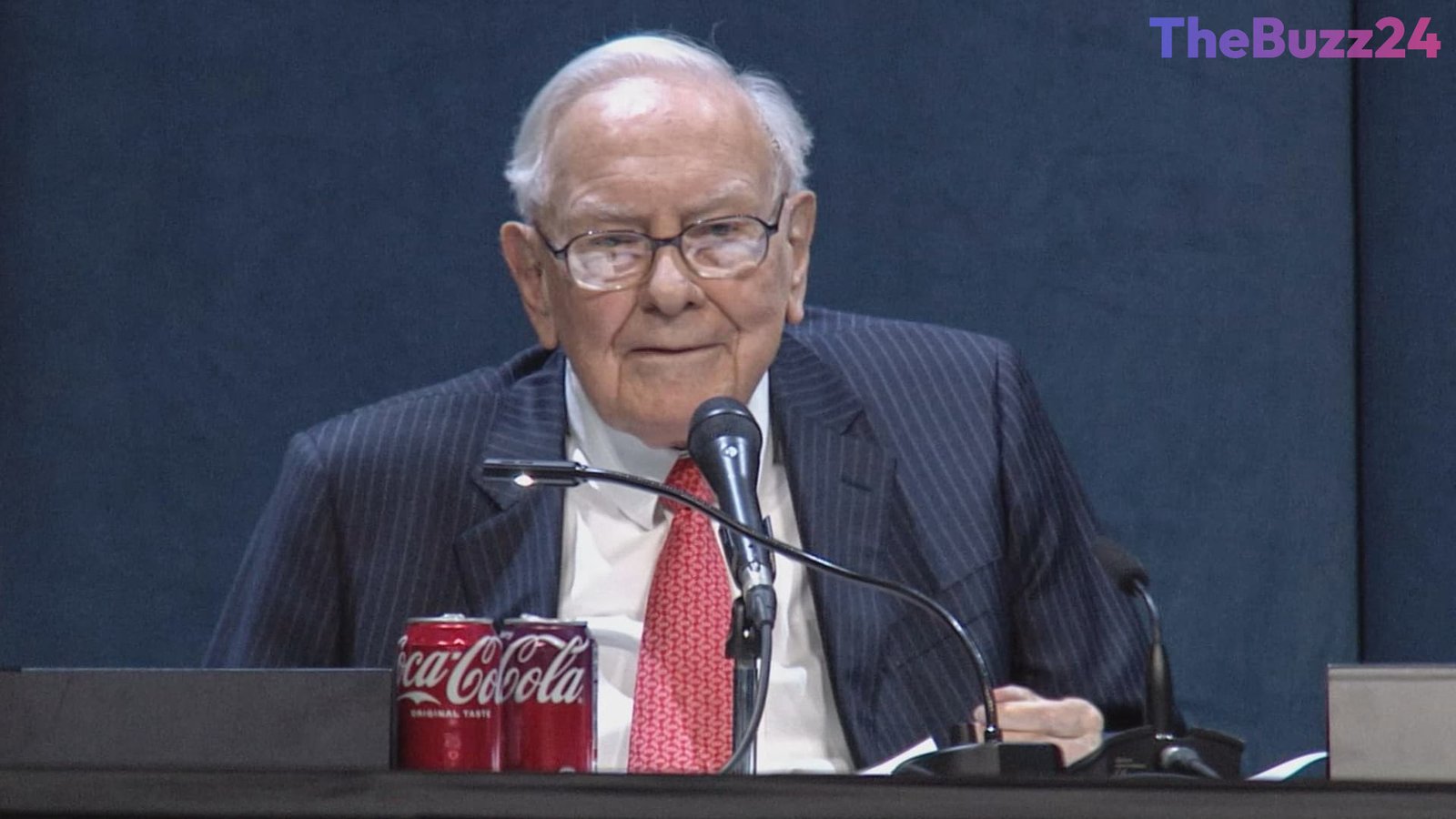
Berkshire Hathaway Makes Massive $17 Billion Bet on Alphabet, Shifting Away from Financials
Berkshire Hathaway has significantly reshaped its investment portfolio, elevating Google’s parent company, Alphabet, to its third-largest equity holding. According to the conglomerate’s latest second-quarter regulatory filings, Berkshire acquired an additional 48.1 million shares of Alphabet, bringing its total stake to nearly 106 million Class A and Class C shares. Valued at approximately $36.6 billion, this massive position now surpasses Berkshire’s long-standing investment in Coca-Cola, though it still trails behind its top holdings, Apple and American Express.
A substantial portion of the new Alphabet shares—roughly 60%—was acquired directly through a $10 billion private placement deal finalized in early June. Beyond tech, Berkshire also made waves by boosting its stake in Delta Air Lines by 44%, representing a $1.6 billion increase. This move marks a notable pivot, considering Warren Buffett famously divested from major airlines at a loss during the onset of the 2020 pandemic. Additionally, the conglomerate expanded its positions in homebuilder Lennar and retailer Macy’s.
Conversely, Berkshire continued its systematic retreat from the financial sector. The firm trimmed its holdings in Ally Financial by 7% and slashed its Capital One stake by 58%. Most notably, Berkshire reduced its Bank of America position by nearly 6%, representing a $1.7 billion reduction. This marks the eighth consecutive quarter of selling Bank of America, cutting Berkshire’s overall stake in the banking giant by more than half. These transactions, alongside the resumption of share buybacks, contributed to an 8% decline in Berkshire’s massive cash reserves, which now stand at $365.5 billion.
The recent capital deployment has drawn criticism from prominent market figures, including “Big Short” investor Michael Burry. Burry expressed concern that Warren Buffett’s designated successor, Greg Abel, may lack the legendary investor’s signature patience to wait for highly favorable market opportunities—often referred to as the “fat pitch.” Burry stated that he no longer views Berkshire as an attractive investment due to these recent moves. Despite the deployment of cash and the return of share buybacks, Berkshire’s stock fell by more than 3% following the portfolio disclosures.
Key Takeaways
- Alphabet has become Berkshire Hathaway's third-largest holding, valued at $36.6 billion, following a massive $17 billion Q2 acquisition.
- Berkshire continued to reduce its exposure to the financial sector, cutting its Bank of America stake for the eighth consecutive quarter and heavily trimming Capital One.
- Prominent investor Michael Burry criticized the portfolio changes, arguing that successor Greg Abel lacks Warren Buffett's disciplined patience for ideal market opportunities.
Editor’s Analysis & Impact
Berkshire Hathaway’s aggressive pivot toward Alphabet signals a profound shift in its investment philosophy, transitioning further into big tech as traditional financial holdings are pared down. By securing a $10 billion private placement directly with Alphabet, Berkshire bypassed open-market volatility, securing a massive stake in a dominant digital monopoly. However, the simultaneous reduction in financial giants like Bank of America and Capital One suggests growing caution regarding consumer credit and interest rate environments. The criticism from Michael Burry highlights a broader anxiety among value investors: whether Greg Abel can maintain Buffett’s legendary “fat pitch” discipline. While the cash pile remains formidable at over $365 billion, the market’s lukewarm reaction and the 3% stock drop indicate that investors are closely scrutinizing this transitional phase of Berkshire’s leadership.
Frequently Asked Questions
Q: Why did Berkshire Hathaway buy so much Alphabet stock?
A: Berkshire acquired nearly 106 million shares of Alphabet, valued at $36.6 billion, to capitalize on the tech giant's strong market position. About 60% of the newly added shares were purchased directly from Alphabet in a private placement deal.
Q: Why is Michael Burry critical of Berkshire's recent moves?
A: Michael Burry expressed concern that Warren Buffett's successor, Greg Abel, is deploying cash too quickly on "framing moves" rather than waiting patiently for highly lucrative, undervalued opportunities, a strategy Buffett famously called waiting for the "fat pitch."
Q: Which stocks did Berkshire Hathaway sell in the second quarter?
A: Berkshire continued to reduce its financial sector exposure, trimming its Bank of America stake by 5.9%, cutting Capital One by 58%, and reducing Ally Financial by 7%.
AI Disclosure: This article is based on verified data and official reports. Our Team and AI have cross-referenced every financial detail with primary sources to ensure total accuracy.
More from this Category