Electric Air Taxi Sector Sees Major Consolidation and Strategic Shifts
The electric vertical takeoff and landing (eVTOL) aircraft sector is experiencing a significant period of consolidation and strategic realignment, as key players navigate regulatory hurdles and pursue diverse revenue streams. Recent developments highlight a trend towards mergers, acquisitions, and expansion into new markets, signaling a maturing industry.
In a notable move, Archer Aviation has acquired its former competitor, Wisk Aero. This acquisition was facilitated by Boeing, which divested Wisk Aero and two other subsidiaries—air traffic management software firm SkyGrid and drone manufacturer Insitu—in exchange for a substantial ownership stake in Archer. This development follows a protracted legal dispute between Archer and Wisk, which originated from allegations of intellectual property theft. The settlement not only resolved the litigation but also paved the way for this strategic integration, potentially streamlining development and regulatory processes.
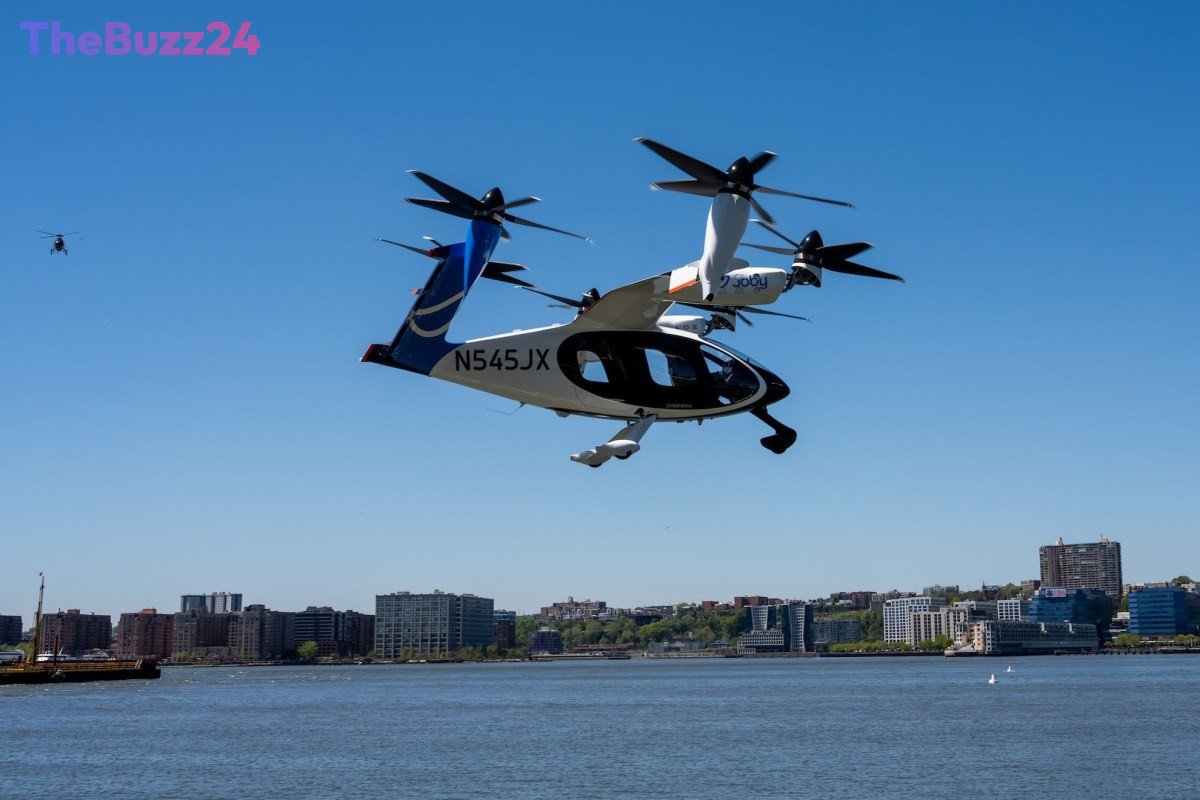
Meanwhile, Joby Aviation has bolstered its capabilities by acquiring Resonant Sciences for $500 million. This acquisition signals Joby’s strategic push into the defense sector, with Resonant Sciences’ radio frequency and sensor systems expertise forming the basis of a new division, Joby Defense. While continuing its primary mission of developing electric air taxis for urban mobility, Joby is actively diversifying its revenue opportunities within the defense industry.
Beyond air taxis, the broader electric mobility landscape is also seeing shifts. Uber has divested its stake in Serve Robotics, an autonomous delivery robot company that originated from Uber. Despite the sale, Uber and Serve remain business partners, with an existing contract for Serve’s robots on the Uber Eats platform extending until 2027. In other mobility news, electric scooter startup Yulu secured $93 million in Series C funding, and autonomous trucking companies Aurora Innovation and Kodiak AI have received permits to test on California public roads. Waymo is also expanding its commercial robotaxi operations in California, receiving approval to operate in a wider territory across the San Francisco Bay Area and Los Angeles, with plans to extend to Sacramento and San Diego.
Key Takeaways
- Archer Aviation has acquired Wisk Aero, with Boeing taking a significant stake in Archer as part of the deal.
- Joby Aviation acquired Resonant Sciences for $500 million, expanding its focus into the defense sector.
- The electric mobility sector continues to see strategic shifts, including Uber's divestment from Serve Robotics and expansion of autonomous vehicle services by companies like Waymo.
Editor’s Analysis & Impact
The recent consolidation and strategic acquisitions within the electric air taxi and broader electric mobility sectors underscore a critical phase of industry maturation. Companies are actively seeking synergies, diversifying revenue streams, and navigating complex regulatory environments. The integration of Wisk by Archer and Joby’s defense sector expansion suggest a pragmatic approach to achieving profitability and market presence, moving beyond solely focusing on long-term urban air mobility goals. This trend indicates a potential acceleration in the development and deployment of advanced transportation technologies, driven by both commercial and defense interests, while also highlighting the ongoing challenges and strategic pivots required to succeed in these capital-intensive and highly regulated markets.
Frequently Asked Questions
Q: What is an eVTOL aircraft?
A: eVTOL stands for electric vertical takeoff and landing. These are aircraft that use electric power for propulsion and are designed to take off and land vertically, similar to a helicopter, but with the potential for quieter operation and lower emissions.
Q: Why are companies acquiring competitors in the eVTOL space?
A: Acquisitions in the eVTOL sector are driven by several factors, including the desire to consolidate market share, gain access to new technologies or intellectual property, streamline regulatory approval processes, and achieve economies of scale. It's a strategy to accelerate development and deployment in a competitive and capital-intensive industry.
Q: How is the defense sector relevant to electric air taxi companies?
A: The defense sector offers significant revenue opportunities and can leverage the advanced technologies developed for eVTOLs, such as electric propulsion, autonomous systems, and advanced sensor technology. Companies like Joby are diversifying by developing specialized defense applications, which can provide funding and operational experience that benefits their civilian air taxi ambitions.
AI Disclosure: This article is based on verified data and official reports. Our Team and AI have cross-referenced every financial detail with primary sources to ensure total accuracy.
More from this Category