Masterpieces Vanish: Four Antonello da Messina Artworks Stolen from Sicilian Museum
Four invaluable artworks by the renowned 15th-century Renaissance painter Antonello da Messina have been stolen from the Regional Museum of Messina in his Sicilian hometown. The brazen theft, which occurred late Saturday night, has been described by local officials as a devastating blow to the island’s rich cultural heritage.
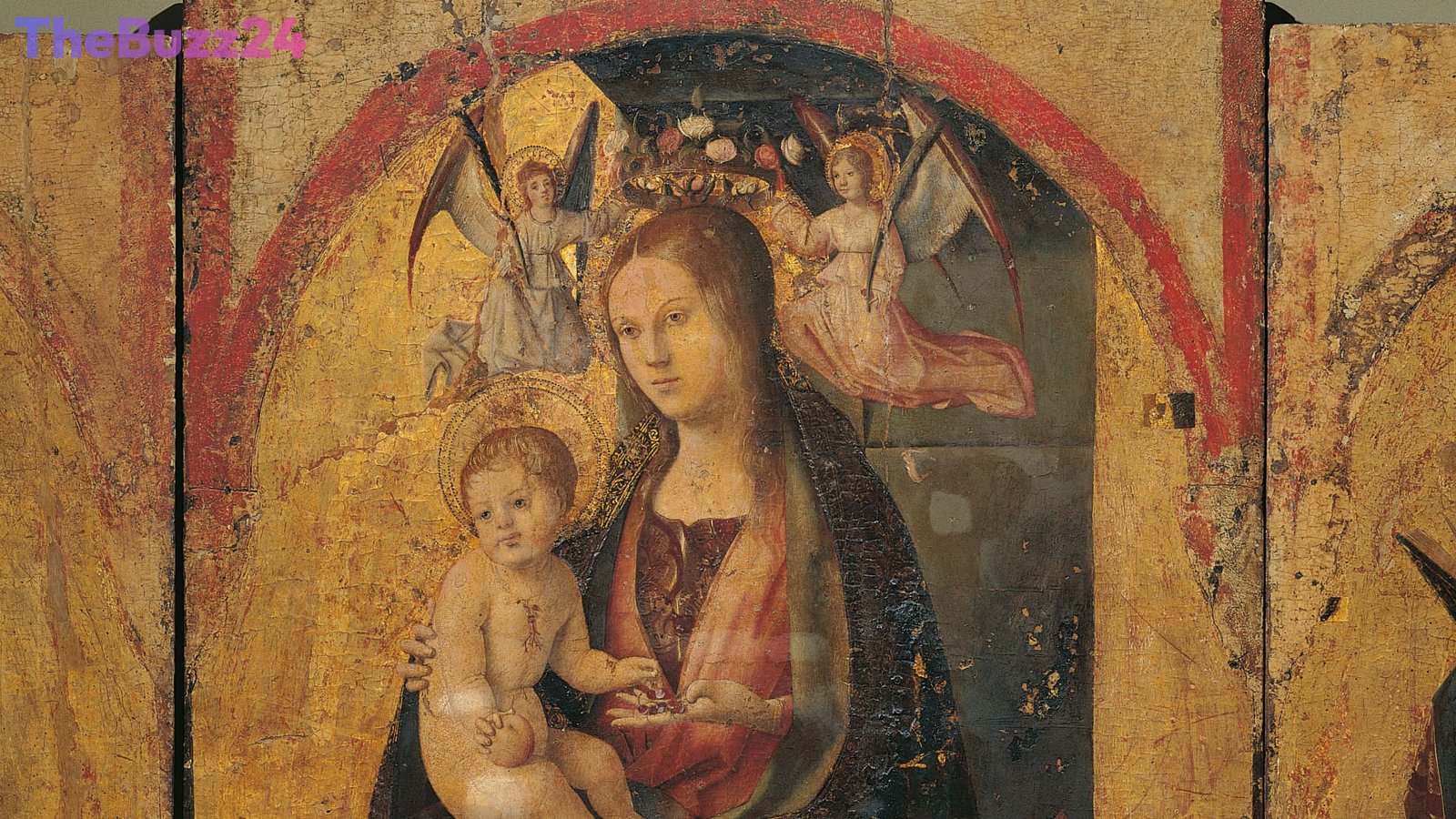
The stolen pieces include significant portions of the ‘Polittico di San Gregorio,’ an altarpiece that was the only work by the celebrated artist to have continuously remained in his native city. The thieves managed to remove five wooden panels from the altarpiece, though two were later discovered abandoned outside the museum. This particular altarpiece, originally destined for a local monastery, holds historical significance as it survived the devastating 1908 Messina earthquake.
In addition to the altarpiece fragments, a small, two-sided painting attributed to Messina was also taken from a secured display. This work, depicting the Virgin with Child and a Franciscan monk on one side and Christ on the other, was acquired by the Sicilian Region in 2003. Officials suspect the recent high-profile acquisition of another Antonello da Messina painting by the Italian state for $15 million may have placed the museum on the radar of sophisticated art thieves, suggesting this was likely a commissioned heist.
The museum, which also houses works by the Baroque master Caravaggio, was targeted during the city’s vibrant Assumption Day celebrations, a time when the community engages in traditional festivities like the ‘la Vara’ procession. The theft has left the city stunned, with local councilors expressing disbelief and deep concern over the loss of these irreplaceable cultural treasures.
Key Takeaways
- Four artworks by Renaissance painter Antonello da Messina were stolen from a museum in his hometown of Messina, Sicily.
- The stolen items include parts of the 'Polittico di San Gregorio' altarpiece and a two-sided painting, representing a significant loss to local heritage.
- Officials believe the theft may have been commissioned, possibly motivated by recent high-value art acquisitions, and occurred during local celebrations.
Editor’s Analysis & Impact
This art heist underscores the persistent vulnerability of cultural institutions to organized crime, even in well-established museums. The targeting of Antonello da Messina’s works, particularly those with deep local ties, highlights the unique value placed on heritage pieces. The suspected ‘commissioned theft’ points to a growing market for stolen art, potentially driven by private collectors. This incident serves as a stark reminder for museums worldwide to continually reassess and enhance their security measures, especially in light of increased attention on valuable cultural assets and the potential for lucrative black markets. The recovery of stolen art in other Italian cities recently offers a glimmer of hope, but the immediate impact on Messina’s cultural identity is profound.
Frequently Asked Questions
Q: What specific artworks were stolen?
A: The stolen items include five wooden panels from the 'Polittico di San Gregorio' altarpiece and a small, two-sided painting depicting the Virgin with Child and a Franciscan monk on one side, and Christ on the other.
Q: Why is this theft considered particularly significant?
A: The stolen altarpiece was the only work by Antonello da Messina that had never left his hometown. The theft represents a major loss to Messina's cultural heritage and the island of Sicily.
Q: What is the suspected motive behind the theft?
A: Local officials believe the theft was likely commissioned, possibly due to the recent high-profile purchase of another Antonello da Messina painting by the Italian state, which may have brought the museum to criminals' attention.
AI Disclosure: This article is based on verified data and official reports. Our Team and AI have cross-referenced every financial detail with primary sources to ensure total accuracy.
More from this Category