Lawmakers Introduce Bill to Safeguard Social Security from Student Loan Garnishment
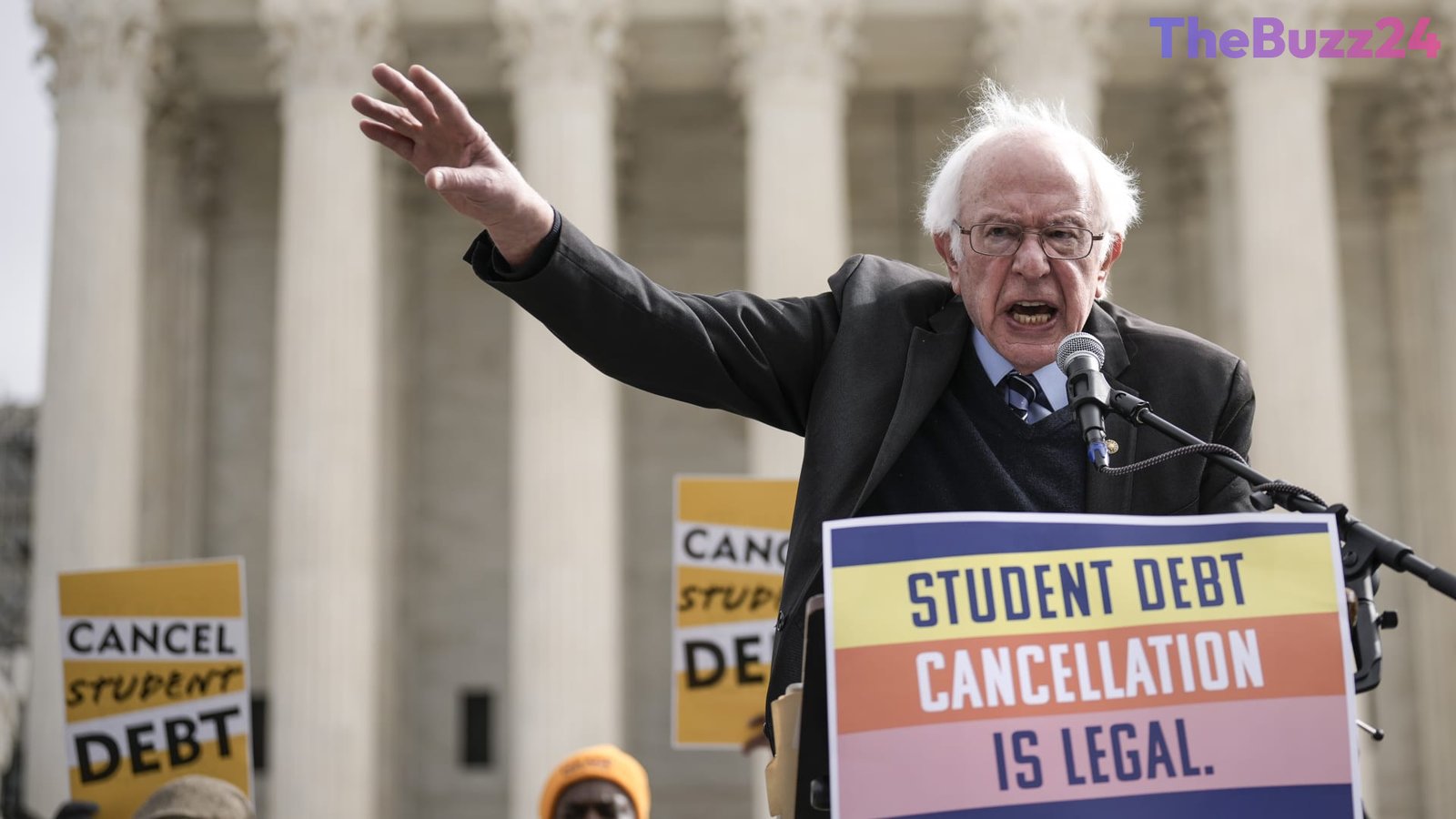
Senator Bernie Sanders, I-Vt., has unveiled a new legislative proposal aimed at shielding federal student loan borrowers from having their Social Security checks seized due to unpaid debt. The bill, formally named the “Stop Social Security Garnishment Act,” is set to be introduced when the Senate reconvenes next month and has garnered support from fellow Democratic Senators Elizabeth Warren and Ed Markey, both of Massachusetts.
The initiative addresses a significant financial vulnerability, particularly for older Americans. Currently, approximately 9.5 million borrowers are in default on their student loans, with nearly one in four facing the risk of wage or Social Security benefit garnishment. This proposal follows previous actions by the Trump administration, which had paused involuntary collections for defaulted federal student loans, and the Education Department’s subsequent delay of wage garnishment and other collection activities while new repayment options were being implemented.
Sanders’ proposal specifically seeks to ensure that Social Security retirement or disability benefits remain untouched, preventing them from being reduced to repay outstanding student loan debt. This protection is deemed crucial for older adults, many of whom rely on these benefits to cover essential living expenses such as healthcare, medication, and food. With around 9.6 million student loan borrowers aged 50 and older collectively holding nearly $457 billion in outstanding loans, the bill aims to alleviate a substantial financial burden on a vulnerable demographic. “In the richest country in the history of the world, no senior should have their Social Security payments taken away from them to pay back student debt,” Sanders stated, emphasizing the struggle many seniors face with rising costs for basic necessities.
Key Takeaways
- Senator Bernie Sanders has proposed the "Stop Social Security Garnishment Act" to prevent federal student loan debt from leading to the seizure of Social Security benefits.
- The bill aims to protect millions of borrowers, especially older adults, from losing essential income needed for basic living expenses due to defaulted student loans.
- This legislative effort highlights the ongoing issue of student debt burden, particularly as it impacts retirees, and follows previous temporary pauses on involuntary collections by government agencies.
Editor’s Analysis & Impact
This proposed legislation signals a growing concern among lawmakers regarding the financial strain of student loan debt on older populations and retirees. If enacted, the “Stop Social Security Garnishment Act” would significantly alter the landscape of federal student loan collections, potentially reducing government revenue from defaulted loans but providing crucial financial relief to a vulnerable demographic. The bill’s introduction, with support from other prominent Democratic senators, indicates a legislative push to establish permanent protections, moving beyond the temporary pauses seen in recent years. This could set a precedent for how various government benefits are safeguarded from debt collection, influencing future policy discussions on financial security for seniors and other at-risk groups. The broader implication is a continued focus on addressing the systemic issues of student loan debt and its long-term economic impact.
Frequently Asked Questions
Q: What is the "Stop Social Security Garnishment Act"?
A: This proposed bill, introduced by Senator Bernie Sanders and supported by Senators Elizabeth Warren and Ed Markey, aims to prevent the federal government from seizing or garnishing Social Security retirement or disability benefits to repay outstanding federal student loan debt.
Q: Who would primarily benefit from this legislation?
A: The bill would primarily benefit older adults and individuals receiving Social Security benefits who have defaulted on their federal student loans. It seeks to protect their income from being reduced, ensuring they can cover basic necessities like healthcare, medicine, and food.
Q: Has the government previously taken action regarding student loan collections?
A: Yes, the Trump administration previously paused involuntary collections for borrowers in default on federal student loans, and the Education Department later delayed wage garnishment and other collections while implementing new repayment options. This bill seeks to establish a permanent protection for Social Security benefits.
AI Disclosure: This article is based on verified data and official reports. Our Team and AI have cross-referenced every financial detail with primary sources to ensure total accuracy.
More from this Category