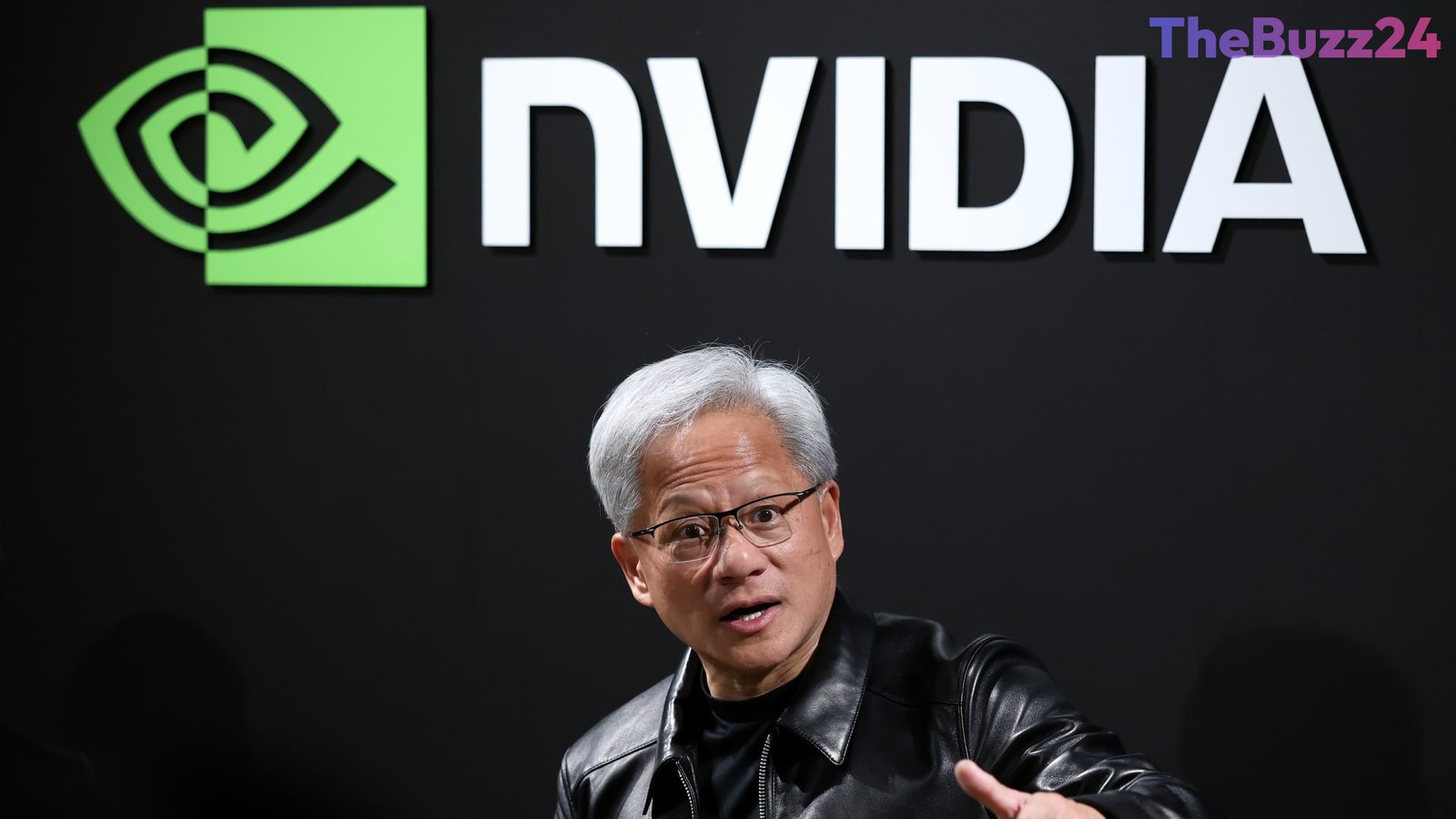
Nvidia Shifts Strategy: Leveraging Massive Capital Reserves to Secure AI Dominance
As competition intensifies in the artificial intelligence sector, Nvidia is increasingly relying on its formidable financial strength rather than relying solely on its technological edge. With quarterly free cash flow surging significantly over recent years, the semiconductor giant is utilizing its robust balance sheet and immense cash reserves to shape the infrastructure of the entire AI ecosystem. This strategic pivot involves backing massive multi-billion-dollar financing deals and infrastructure projects to guarantee long-term demand for its hardware.
Recently, the company announced landmark financial maneuvers, including a pact with major Wall Street institutions to pursue half a trillion dollars in financing for graphics processing units. Furthermore, the firm committed substantial backing—up to $105 billion—for a massive OpenAI data center development in Ohio. This support includes equity investments, lease backstops, and power commitments, designed to bridge the gap for frontier AI labs whose rapid growth often outpaces traditional credit profiles and balance sheets.
While rivals such as Advanced Micro Devices and Google continue to make inroads with their own specialized hardware and cloud solutions, Nvidia’s aggressive deployment of capital creates a formidable new competitive moat. Industry analysts view these moves not merely as a defensive tactic, but as a calculated effort to elongate and secure the current AI investment cycle, ensuring that foundational infrastructure expansion remains robust well into the future.
Key Takeaways
- Nvidia is expanding its competitive advantage by leveraging its massive capital reserves and cash flow alongside its core chip technology.
- The company has partnered with Wall Street firms to pursue $500 billion in GPU financing, establishing chips as a new institutional asset class.
- Nvidia is providing extensive financial backing, including up to $105 billion, for a major OpenAI data center project in Ohio to ensure continuous hardware demand.
Editor’s Analysis & Impact
Nvidia’s strategic pivot from a purely hardware-driven moat to a capital-backed ecosystem orchestrator marks a mature phase in the artificial intelligence boom. By helping frontier labs secure the massive long-term financing needed for data center infrastructure, Nvidia effectively manages its own demand pipeline while countering mounting competitive pressures from rivals like Google and AMD. This approach transforms Nvidia from a traditional component manufacturer into a central financial pillar of the entire AI economy. While some critics might scrutinize the circular nature of funding AI customers, the immense cash generation and robust free cash flow provide a strong safety buffer. Ultimately, this strategy ensures that the infrastructure buildout remains durable, cementing the company’s central role in the technological landscape for years to come.
Frequently Asked Questions
Q: Why is Nvidia focusing on capital in addition to chips?
A: While competitors are closing the technological gap, Nvidia is leveraging its massive free cash flow and strong balance sheet to help frontier AI labs finance expensive data center infrastructure, thereby securing long-term demand for its graphics processing units.
Q: What was the recent agreement involving Nvidia and OpenAI in Ohio?
A: Nvidia agreed to provide up to $105 billion in financial support for a giant OpenAI data center project in Ohio, which includes investments in developers like SB Energy, lease commitments, and potential loan backstops.
Q: How are Wall Street firms involved in Nvidia's recent strategy?
A: Nvidia signed a memorandum of understanding with major financial institutions, including Goldman Sachs, Blackstone, and BlackRock, to establish GPUs as a new asset class and secure third-party backing for the ongoing AI infrastructure buildout.
AI Disclosure: This article is based on verified data and official reports. Our Team and AI have cross-referenced every financial detail with primary sources to ensure total accuracy.
More from this Category