France Faces Escalating Student Unrest as Nationwide Protests Intensify
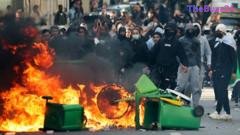
France is bracing for a significant day of nationwide action as student organizations and teachers’ unions prepare to mobilize against the government. The demonstrations, which began in September, have evolved from localized complaints regarding school infrastructure and overcrowding into a broader movement characterized by intense clashes between protesters and law enforcement. Organizers, including the Union Syndicale Lycéenne (USL), argue that the government has failed to provide concrete solutions to the systemic issues plaguing the education system, leading to what they describe as a political deadlock.
The scale of the unrest has been substantial, with over 5,000 arrests reported since the movement began. The intensity of the confrontations has resulted in severe injuries, including a 15-year-old student who suffered the loss of a hand and another teenager who sustained a double jaw fracture from a tear gas grenade. While the government has pledged to implement reforms to improve conditions in secondary schools, officials have simultaneously taken a hard line against the violence, citing the destruction of property and the ransacking of dozens of schools as unacceptable behavior.
Political tensions surrounding the movement have reached a fever pitch, with leaders from across the spectrum trading blame. Figures from the radical-left La France Insoumise party have characterized the movement as the most significant youth uprising since 1968, accusing the police of excessive force. Conversely, hard-right factions, including the National Rally, have alleged that the protests are being manipulated by political agitators, calling for stricter anti-rioting legislation. As the country prepares for further demonstrations, the divide between the government’s promise of reform and the protesters’ demands for immediate, tangible change remains wide.
Key Takeaways
- Nationwide protests in France have led to over 5,000 arrests and numerous severe injuries, including life-altering trauma for student demonstrators.
- The movement, initially focused on school infrastructure and overcrowding, has become a highly politicized conflict between the government and opposition parties.
- Despite government promises of educational reform, organizers claim the state has offered no concrete solutions, leading to continued mobilization by students and teachers' unions.
Editor’s Analysis & Impact
The current wave of student unrest in France represents a critical stress test for the government’s domestic policy and its ability to manage social volatility. By failing to address the underlying grievances regarding public service quality early on, the administration has allowed the movement to gain momentum and become a proxy for broader political polarization. The involvement of major political figures suggests that these protests are no longer just about education; they are becoming a focal point for the upcoming electoral cycle. If the government continues to rely on a heavy-handed security response without delivering substantive, visible improvements to the school system, the risk of further radicalization and prolonged civil instability remains high. The long-term implication is a potential erosion of trust in public institutions, which could complicate future legislative efforts and deepen the existing societal divide.
Frequently Asked Questions
Q: What are the primary reasons for the student protests in France?
A: The protests began due to concerns over overcrowded classrooms, deteriorating school buildings, and a lack of sufficient teaching staff.
Q: How has the French government responded to the demonstrations?
A: The government has announced plans to address educational difficulties while simultaneously condemning the violence and maintaining a firm stance against the destruction of property and clashes with police.
AI Disclosure: This article is based on verified data and official reports. Our Team and AI have cross-referenced every financial detail with primary sources to ensure total accuracy.
More from this Category