South Korean Investors Flock to US Markets Amidst Domestic Stock Volatility
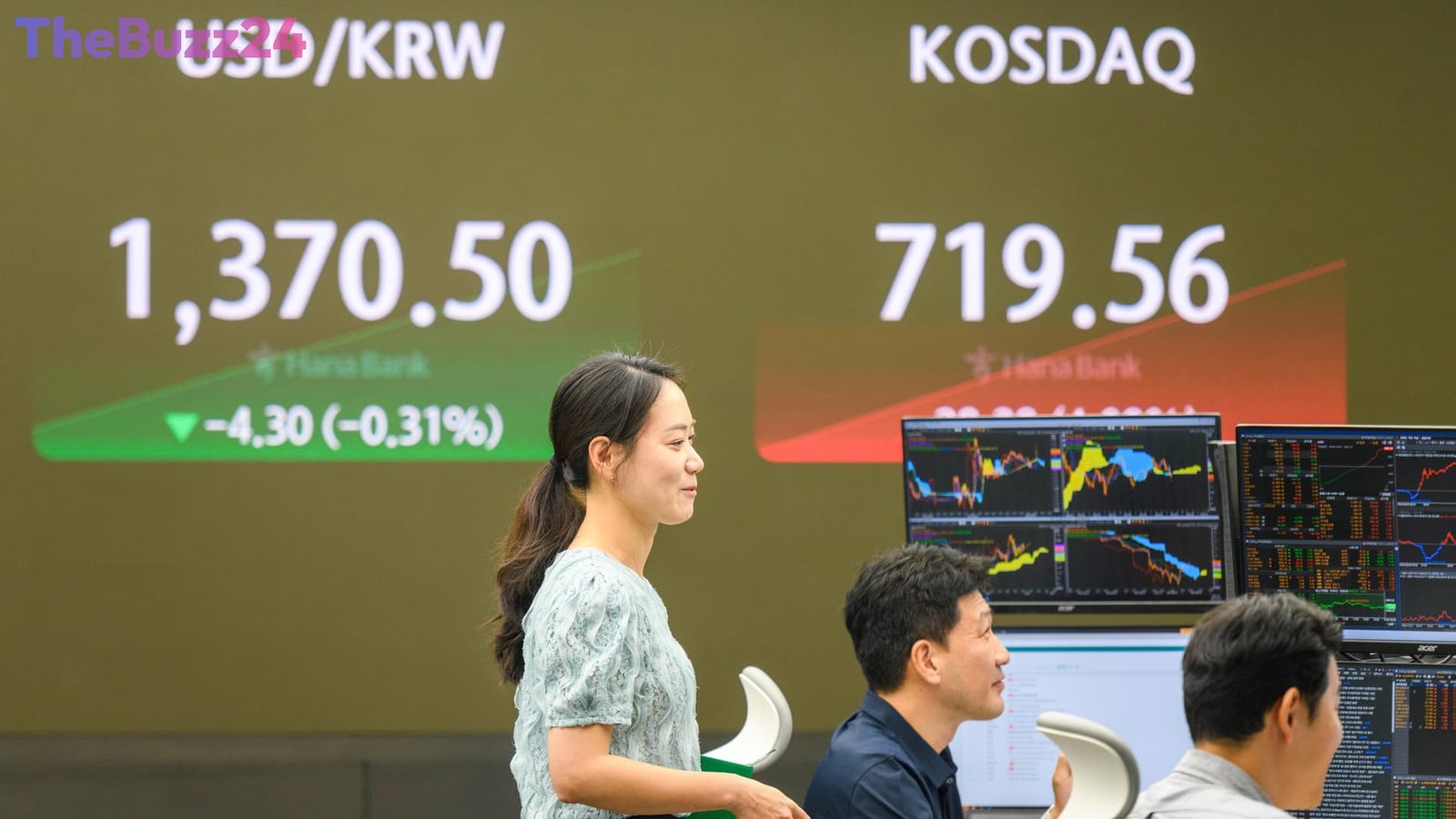
South Korean retail investors have significantly increased their investment in U.S. markets, pouring a net $4.5 billion into American stocks in July. This surge in overseas investment comes as South Korea’s domestic stock market experienced a notable correction, prompting many local investors to seek opportunities abroad.
Despite the shift in geographical focus, the underlying investment strategy appears to remain consistent. Many South Korean investors are maintaining their exposure to high-growth sectors like Artificial Intelligence (AI) and are actively engaging with leveraged products. This suggests a strategic reallocation of capital rather than a fundamental change in investment themes, with U.S.-listed securities becoming the preferred vehicle for these investments.
This trend is particularly evident in the significant net purchase of SK Hynix’s American Depositary Receipts (ADRs), amounting to approximately $840 million of the total July investment. This occurred even though SK Hynix shares are directly available on the Korean stock exchange. Experts have noted the unusual premium and increased volatility associated with these ADRs, with some describing the behavior as “absolutely crazy” and a potential symptom of speculative excess.
The influx of South Korean capital into U.S. markets, particularly in leveraged ETFs like ProShares Ultra QQQ and Direxion Daily Semiconductor Bull 3X Shares (SOXL), highlights a continued appetite for aggressive investment strategies. While the overall impact on the vast U.S. market may be limited due to its size and institutional dominance, analysts suggest that these flows could amplify volatility in specific stocks and niche market segments favored by retail traders.
Key Takeaways
- South Korean retail investors net bought $4.5 billion in U.S. stocks in July, driven by a domestic market correction.
- Investors are maintaining exposure to AI and leveraged products, shifting geographical focus rather than investment strategy.
- Significant investment in SK Hynix ADRs and leveraged ETFs like SOXL indicates a search for perceived higher quality or liquidity in U.S. markets.
Editor’s Analysis & Impact
The substantial capital flow from South Korean retail investors into U.S. markets underscores a global search for stability and growth opportunities amidst regional economic headwinds. While the sheer volume may not destabilize the broader U.S. market, it highlights a growing trend of retail investors seeking diversification and potentially higher returns through international channels. The continued interest in AI and leveraged products, even amidst domestic market downturns, signals a persistent speculative appetite. This could lead to increased volatility in specific U.S. stocks and ETFs, particularly those popular with retail traders, presenting both opportunities and risks for market participants.
Frequently Asked Questions
Q: Why are South Korean investors buying U.S. stocks instead of domestic ones?
A: South Korean retail investors are shifting to U.S. markets to escape a correction in their home market. They are seeking perceived stability, liquidity, and potentially higher returns in sectors like AI and through leveraged products available on U.S. exchanges.
Q: What are ADRs and why is their purchase by Korean investors unusual?
A: ADRs (American Depositary Receipts) are certificates representing shares of a foreign company that trade on U.S. stock exchanges. It's considered unusual for Korean investors to buy SK Hynix ADRs in the U.S. when they can buy the same company's shares directly in Korea, especially when the ADRs trade at a premium and exhibit higher volatility.
Q: Could this influx of South Korean investment impact the U.S. stock market?
A: While the overall impact on the large U.S. market is expected to be minimal due to its size and institutional dominance, these flows could potentially amplify volatility in individual stocks and specific market segments that are popular among retail traders, such as certain tech stocks and leveraged ETFs.
AI Disclosure: This article is based on verified data and official reports. Our Team and AI have cross-referenced every financial detail with primary sources to ensure total accuracy.
More from this Category