Zambia President Hakainde Hichilema Secures Second Term Amid Opposition Controversy
Zambian President Hakainde Hichilema has successfully clinched a second five-year mandate after capturing a definitive 60% of the total vote share, according to official declarations from the electoral commission. The incumbent’s victory came as anticipated, with his primary competitor, Brian Mundubile, trailing behind by securing 38% of the ballots. A dozen other contenders failed to make significant inroads in an election cycle that ultimately solidified Hichilema’s political standing.
The electoral process, however, was marred by tension and controversy. Prior to the final tally, Mundubile had prematurely claimed victory while alleging unsubstantiated voting irregularities. Representatives for the challenger revealed that he retreated to a secure location under international human rights protection, driven by fears of potential arrest following a high-profile security raid on opposition figures accused of plotting an insurrection—allegations that the opposition strongly dismissed as fabrications.
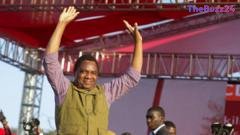
Following the official announcement, Hichilema expressed profound gratitude to the electorate, emphasizing Zambia’s enduring reputation as a peaceful democracy that resolves political differences strictly through the ballot box. While hundreds of jubilant supporters flooded the streets of Lusaka in celebration, international and regional observer missions offered a mixed assessment. Although election day was largely deemed peaceful, monitors flagged concerns regarding late electoral reforms, media access restrictions during the campaign, and a brief suspension of vote counting due to isolated security incidents.
Key Takeaways
- Hakainde Hichilema won a second five-year term with 60% of the vote.
- Main rival Brian Mundubile secured 38% but went into hiding, alleging security threats and irregularities.
- International observers praised the peaceful voting day while raising concerns over campaign restrictions and media access.
Editor’s Analysis & Impact
The re-election of Hakainde Hichilema in Zambia underscores the nation’s historical resilience in maintaining peaceful, democratic transitions of power since 1991. However, the tense post-election environment, characterized by opposition allegations of state overreach and the self-imposed exile of the primary challenger, highlights underlying fractures in the political landscape. International observer missions have correctly pointed out structural vulnerabilities, such as campaign media restrictions and late procedural adjustments, which threaten the long-term credibility of the electoral framework. Moving forward, the Hichilema administration must prioritize inclusive political dialogue and judicial transparency to bridge deepening partisan divides and sustain foreign investor confidence in Southern Africa’s economic stability.
Frequently Asked Questions
Q: What percentage of the vote did Hakainde Hichilema secure?
A: Hakainde Hichilema secured a 60% share of the vote to win his second five-year term.
Q: Why did the main opposition challenger go into hiding?
A: Brian Mundubile went into a secure location under international human rights protection after security forces raided opposition figures and he feared potential arrest.
Q: How did international observers view the Zambian election?
A: Observers noted that election day was largely peaceful, but they raised concerns regarding campaign restrictions, media freedom, and a brief suspension of vote counting.
AI Disclosure: This article is based on verified data and official reports. Our Team and AI have cross-referenced every financial detail with primary sources to ensure total accuracy.
More from this Category