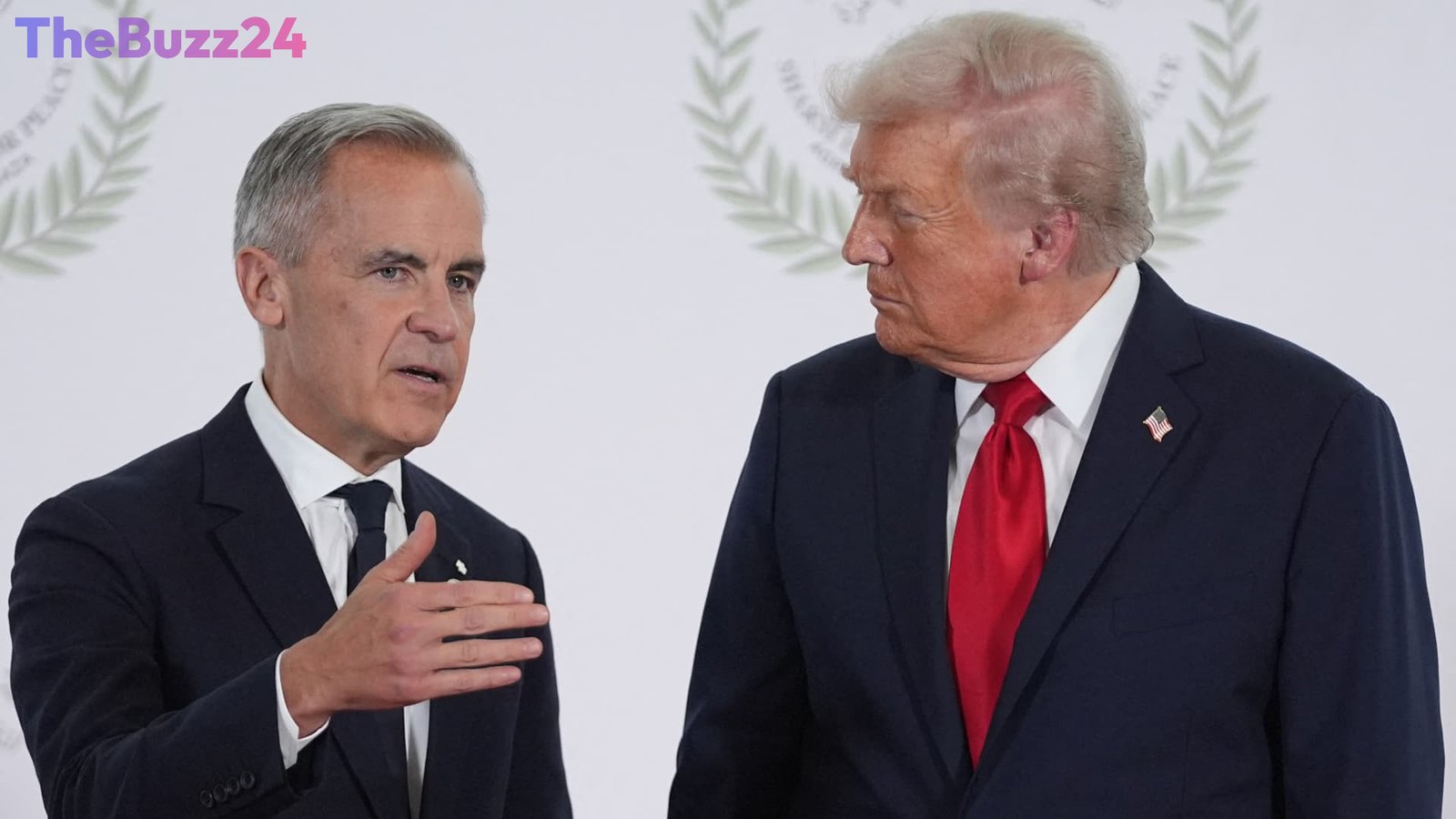
US-Canada Trade Tensions Escalate as Trump Threatens 50% Tariffs on Key Goods
High-stakes trade discussions are underway between President Donald Trump and Canadian Prime Minister Mark Carney as the United States prepares to implement substantial new tariffs on a range of Canadian imports. The proposed duties, reportedly set at 50%, are slated to affect approximately $20 billion worth of goods and are scheduled to take effect imminently, unless a last-minute agreement is reached.
These retaliatory tariffs, authorized under a seldom-used provision of the Tariff Act of 1930, are a response to what the U.S. administration has characterized as discriminatory trade practices by Canada in sectors such as motor vehicles, alcohol, and dairy. The specific goods targeted by the new levies include items like hockey sticks and wine, among others, which could significantly impact Canadian exporters.
Business communities on both sides of the border are expressing serious concern over the escalating trade dispute. Industry leaders have warned that the mere anticipation of these higher duties has already created a climate of considerable uncertainty, leading to a noticeable slowdown in sales and a hesitancy in placing future orders. The Canadian Federation of Independent Business has highlighted that a 50% tariff could render many targeted consumer products economically unviable for sale in the U.S. market, potentially halting sales for numerous small businesses.
This latest move by the Trump administration adds to a series of existing tariffs imposed on Canadian goods, including metals, lumber, and auto parts. While previous measures have sometimes included exemptions tied to trade agreements like the USMCA, the scope and severity of these new tariffs raise significant concerns about the future of bilateral trade relations, which have historically been robust between the two close allies and major trading partners.
Key Takeaways
- The U.S. is reportedly planning to impose 50% tariffs on approximately $20 billion worth of Canadian goods.
- Talks are ongoing between President Trump and Prime Minister Carney to avert the new tariffs, which are set to take effect soon.
- Business leaders warn that the threat of tariffs is already causing economic uncertainty and impacting sales, with a 50% rate potentially making goods unsellable.
Editor’s Analysis & Impact
The escalating trade friction between the U.S. and Canada, marked by the threat of significant tariffs, underscores a broader trend of protectionist policies impacting global commerce. The potential imposition of a 50% duty on key Canadian imports could disrupt established supply chains, increase costs for consumers, and damage the economic ties between two of the world’s closest trading partners. This situation highlights the vulnerability of industries reliant on cross-border trade and raises questions about the long-term stability of international trade agreements. The outcome of these negotiations will likely set a precedent for future trade disputes and influence the broader economic outlook for North America.
Frequently Asked Questions
Q: What are the proposed U.S. tariffs on Canadian goods?
A: The U.S. is reportedly planning to impose tariffs of 50% on a range of Canadian imports, valued at approximately $20 billion. These tariffs are intended to target specific sectors and products.
Q: Why is the U.S. considering these new tariffs?
A: The U.S. administration has stated that the tariffs are a response to alleged discriminatory trade practices by Canada in industries such as motor vehicles, alcohol, and dairy.
Q: What is the potential economic impact of these tariffs?
A: Business leaders fear that the tariffs could make many targeted products uneconomical to sell, halt sales for businesses, increase costs for consumers, disrupt supply chains, and negatively impact jobs dependent on trade between the two countries.
AI Disclosure: This article is based on verified data and official reports. Our Team and AI have cross-referenced every financial detail with primary sources to ensure total accuracy.
More from this Category