Brunswick Pivots to AI Navigation and Subscriptions to Weather Sluggish Boat Sales
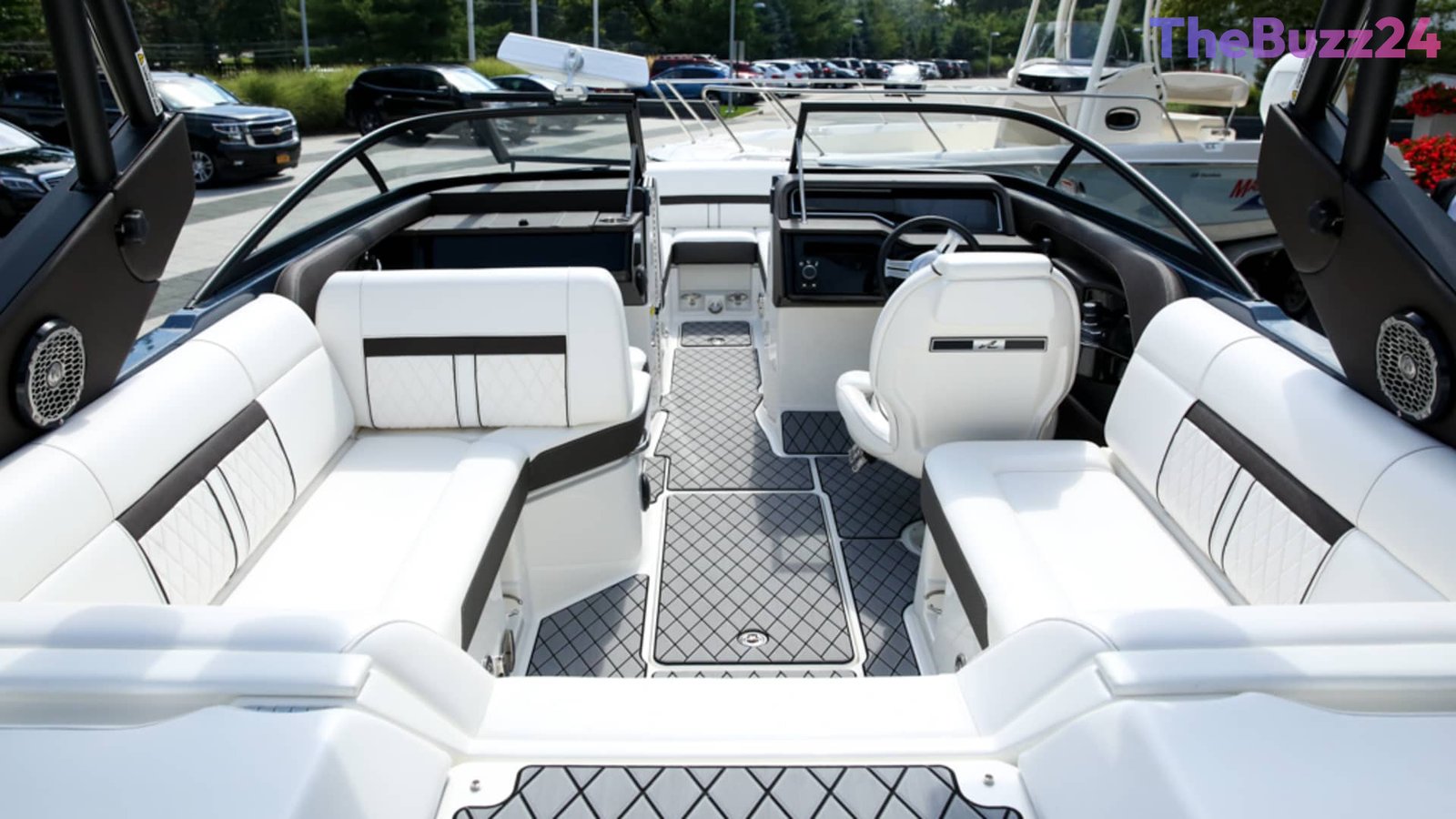
Brunswick Corporation, the prominent marine manufacturer behind well-known brands like Sea Ray and Boston Whaler, is actively shifting its business model to combat a prolonged slowdown in new vessel purchases. Rather than relying solely on cyclical hardware sales, the enterprise is doubling down on cutting-edge maritime technology, such as autonomous docking and advanced AI-driven navigation systems, to simplify the boating experience for consumers and entice hesitant buyers back into the market.
Industry projections suggest that retail demand for new watercraft will remain subdued through at least 2026, with the steepest declines impacting lower-priced, finance-dependent value models. Conversely, demand for luxury and premium marine products has demonstrated notable resilience. To navigate these market headwinds, Brunswick is heavily expanding its aftermarket ecosystem and recurring revenue streams. Initiatives like the Freedom Boat Club have experienced explosive growth, boasting over 63,000 members globally and providing a steady, subscription-based income that insulates the company from the volatility of traditional boat manufacturing.
Beyond memberships, the corporation is successfully increasing its technological footprint on the water through its Navico Group and Mercury Marine subsidiaries. By equipping vessels with sophisticated electronics, automated steering features like the Simrad AutoCaptain, and enhanced hardware, Brunswick can drive higher revenue per unit even if total unit shipments remain flat. Furthermore, the company is proactively mitigating macro-level risks by aggressively reducing its reliance on Chinese-sourced components, thereby slashing tariff exposure and reinforcing its competitive edge against international rivals as it targets up to $8 billion in annual revenue by the end of the decade.
Key Takeaways
- Brunswick is tackling sluggish new boat sales by integrating advanced AI navigation and autonomous docking to make boating more accessible.
- The company's Freedom Boat Club has more than tripled its membership since 2019, forming a stable foundation of recurring subscription revenue.
- Roughly 60% of Brunswick's earnings now stem from aftermarket products and recurring services, reducing its vulnerability to cyclical manufacturing downturns.
Editor’s Analysis & Impact
The strategic evolution of Brunswick Corporation highlights a broader industrial trend where traditional hardware manufacturers successfully transition into service-oriented and tech-enabled ecosystems. By prioritizing recurring revenue through club memberships and proprietary marine electronics, Brunswick is effectively buffering itself against macroeconomic pressures like high interest rates and subdued consumer retail demand. This pivot not only stabilizes profit margins during cyclical downturns but also enhances customer lifetime value. Looking ahead to 2030, if the marine sector achieves even a modest demand recovery while tech integration deepens, Brunswick’s dual-engine approach of luxury hardware and software subscriptions could serve as a blueprint for other discretionary leisure brands facing similar market maturation and cost sensitivities.
Frequently Asked Questions
Q: How is Brunswick addressing sluggish sales in the boat market?
A: Brunswick is focusing on premium product lines, introducing advanced AI navigation and autonomous docking technologies to attract buyers, and expanding high-margin recurring revenue streams.
Q: What is the Freedom Boat Club?
A: The Freedom Boat Club is a global membership-based service operated by Brunswick where members pay initiation fees and monthly dues for hassle-free access to a shared fleet of watercraft.
Q: What percentage of Brunswick's earnings come from recurring or aftermarket revenue?
A: Approximately 60% of Brunswick's earnings are now generated through aftermarket parts, accessories, and recurring revenue models like memberships.
AI Disclosure: This article is based on verified data and official reports. Our Team and AI have cross-referenced every financial detail with primary sources to ensure total accuracy.
More from this Category