How T-Mobile Used a Physical Cable Snip to Thwart a Major Chinese Cyberattack
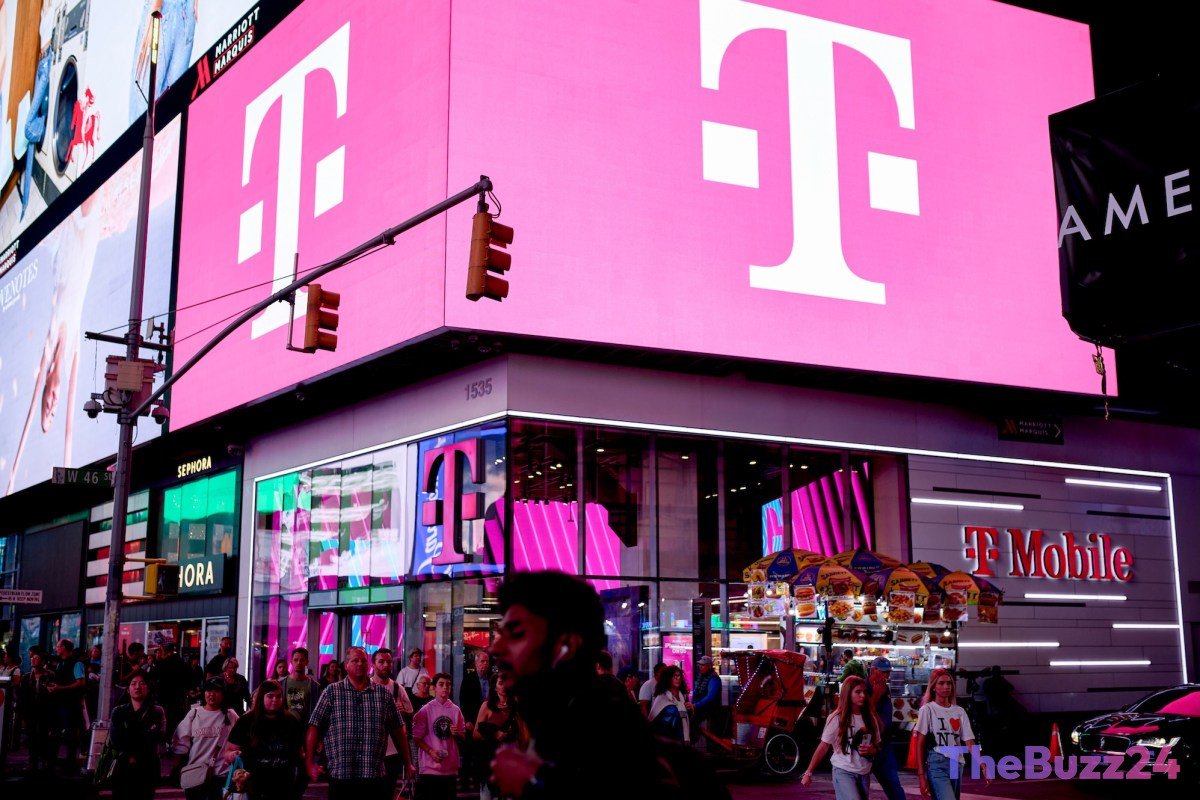
In a dramatic escalation of cybersecurity defense tactics, T-Mobile successfully thwarted a sophisticated cyber espionage campaign by physically severing a network cable at one of its data centers. The intrusion was part of a massive, state-sponsored Chinese hacking operation known as Salt Typhoon, which targeted numerous major telecommunications and internet providers across the United States. While other industry giants suffered extensive breaches, T-Mobile’s proactive detection and unorthodox response prevented a widespread compromise of its customer data.
The hacking group, Salt Typhoon, has been linked to the Chinese government and is known for targeting critical infrastructure. Its broader campaign compromised several high-profile telecom and network companies, including AT&T, Verizon, Viasat, Charter, and Windstream. The primary objective of these intrusions was to harvest phone records and gather sensitive intelligence on high-ranking U.S. government officials, including political candidates.
For months, T-Mobile’s cybersecurity team monitored its systems for signs of unauthorized access. The breakthrough came when analysts detected anomalous behavior originating from a router belonging to another, unnamed telecommunications provider. Recognizing the immediate threat, T-Mobile’s cybersecurity chief, Jeff Simon, took decisive action. Simon and three team members drove directly to a data center in Bellevue, Washington, located the compromised hardware, and physically cut the external connection cable to instantly isolate the system from the internet.
This physical intervention highlights the growing complexity of defending critical infrastructure against state-sponsored actors. By combining digital monitoring with immediate physical security measures, the telecom provider managed to isolate the threat before the attackers could establish a permanent foothold or extract sensitive customer information.
Key Takeaways
- T-Mobile successfully mitigated a cyberattack by the Chinese state-backed group Salt Typhoon by physically cutting a network cable at a Washington data center.
- The Salt Typhoon campaign targeted multiple major U.S. telecom providers, including AT&T and Verizon, aiming to gather intelligence on senior government officials.
- The breach was detected after T-Mobile's security team identified unusual traffic originating from a router owned by another unnamed telecommunications company.
Editor’s Analysis & Impact
The dramatic physical intervention by T-Mobile’s security team underscores a critical shift in modern cybersecurity: the line between digital defense and physical security is rapidly blurring. As state-sponsored groups like Salt Typhoon employ increasingly sophisticated, persistent evasion techniques, traditional software-based firewalls and remote mitigation strategies may no longer suffice in high-stakes scenarios. This incident highlights the vulnerability of interconnected telecommunications supply chains, where a breach in one provider’s network can easily spill over into another. Moving forward, critical infrastructure operators must not only bolster their digital threat-hunting capabilities but also establish rapid-response physical protocols. The industry is likely to see stricter regulatory oversight and a push for zero-trust architectures that assume external partner networks are already compromised, forcing companies to treat all cross-network traffic with extreme suspicion.
Frequently Asked Questions
Q: Who is Salt Typhoon and what was their goal?
A: Salt Typhoon is a sophisticated, Chinese government-backed hacking group. Their primary objective in this campaign was to compromise U.S. telecommunications infrastructure to steal phone records and gather intelligence on high-ranking government officials and political figures.
Q: How did T-Mobile stop the hackers?
A: After detecting suspicious activity originating from a partner telecom's router, T-Mobile's cybersecurity chief and his team drove to a data center in Bellevue, Washington, and physically cut the cable connecting the compromised system to the outside network, instantly halting the intrusion.
Q: Were other telecommunications companies affected by this campaign?
A: Yes, the Salt Typhoon campaign was widespread, compromising several major telecom and internet service providers, including AT&T, Verizon, Viasat, Charter, and Windstream.
AI Disclosure: This article is based on verified data and official reports. Our Team and AI have cross-referenced every financial detail with primary sources to ensure total accuracy.
More from this Category