Somali Piracy Returns: Regional Instability and Houthi Threats Fuel Maritime Crisis
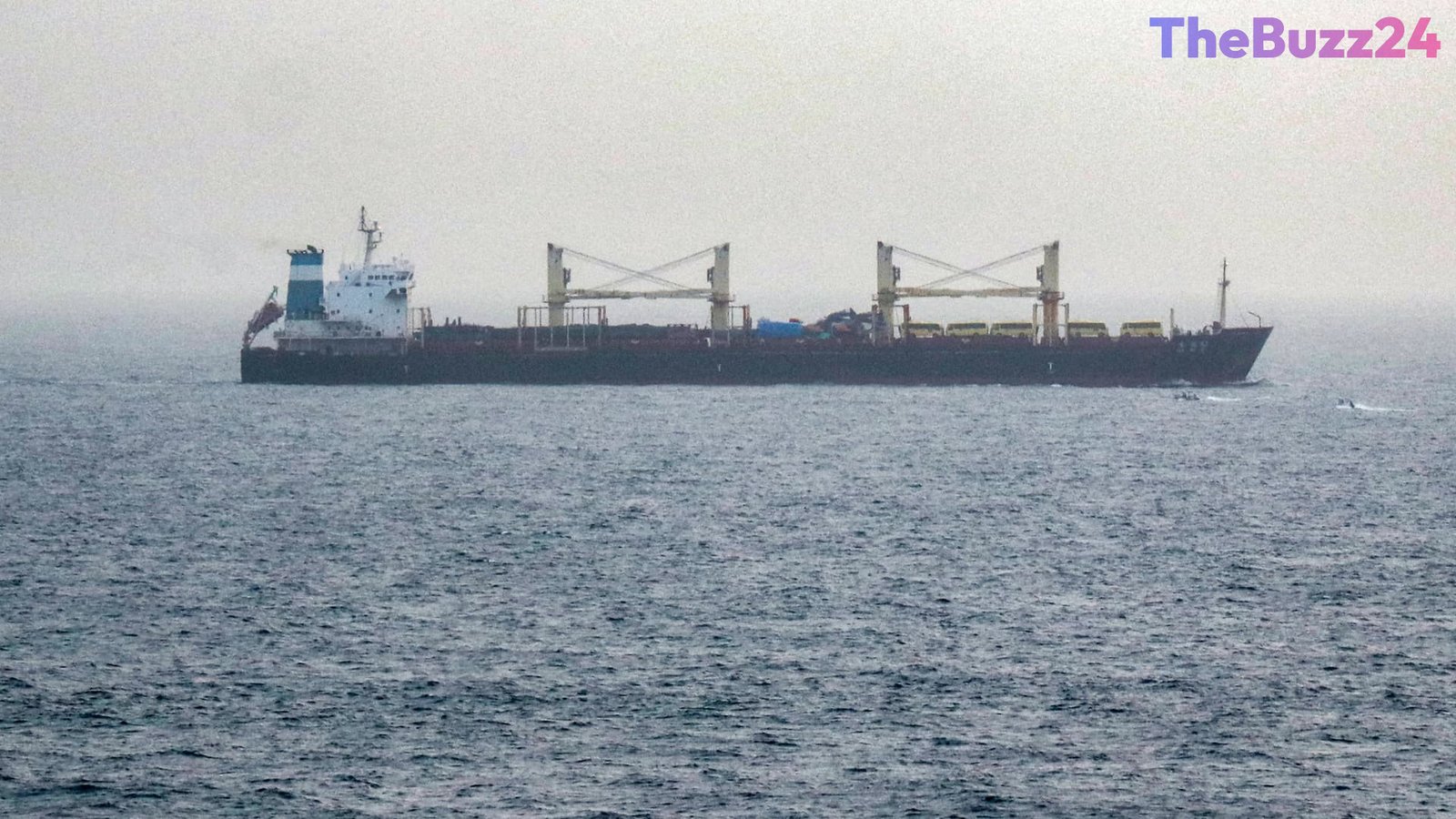
The waters off Somalia and in the Gulf of Aden are once again witnessing a concerning surge in piracy, marking a significant return of a threat that had largely subsided over the past decade. Recent incidents include the seizure of the cargo vessel Lutuf off the Somali coast on August 17, and the hijacking of the tanker MT Asana in the Gulf of Aden a month prior, which was subsequently taken towards Somalia’s Puntland region. This resurgence is placing renewed pressure on the global shipping industry, already navigating a complex landscape of regional instability.
Several factors contribute to this alarming trend. The diversion of international naval resources, previously instrumental in suppressing piracy, towards other regional conflicts has created a vacuum. Concurrently, the ongoing Houthi attacks in the Red Sea have inadvertently pushed commercial vessels closer to the Somali coastline, into areas historically known for pirate activity. For individuals in Somalia grappling with severe drought, food insecurity, and dwindling humanitarian aid, the economic allure of piracy presents a desperate, yet tempting, risk-reward proposition. Ian Ralby, CEO of I.R. Consilium, a maritime and resource security firm, notes that the piracy issue is intensifying uncertainty, solidifying decisions by some to avoid the Red Sea entirely.
Experts, including Corey Ranslem, CEO at Dryad Global, warn of a potentially dangerous escalation should Somali pirates formalize ties with groups like the Houthis and Al-Shabaab. Such an alliance could fundamentally alter the security dynamics of vital maritime choke points like the Red Sea, the Bab-el Mandeb, and the Gulf of Aden. Concerns include the transfer of advanced Houthi technology, such as missiles and drones, to pirate groups, which would dramatically amplify the risks to shipping. The Global Initiative Against Transnational Organized Crime has tracked increasing ransom demands, with reports indicating payments ranging from $1.2 million for the Liao Dong Yu 578 to as much as $10 million for the Eureka.
The heightened value of energy tankers, driven by climbing oil prices, further exacerbates the situation, making these vessels particularly attractive and vulnerable targets. Matt Reisener, Senior National Security Advisor for the Center of Maritime Strategy, highlights that Houthi attacks have driven ships closer to pirate hotspots, making valuable energy tankers especially susceptible. Indeed, three out of four commercial vessels seized by Somali pirates between April and July were tankers carrying oil products, underscoring this trend. As the maritime community grapples with these evolving threats, the need for robust international cooperation and sustained enforcement efforts in the region becomes paramount to safeguard global trade routes.
Key Takeaways
- Somali piracy has seen a significant resurgence, marked by recent vessel seizures like the Lutuf and MT Asana, after years of decline.
- This return is fueled by regional instability, including the diversion of international naval resources, Houthi attacks pushing ships closer to pirate zones, and severe economic hardship in Somalia.
- A major concern is the potential for a dangerous alliance between Somali pirates, Houthis, and Al-Shabaab, which could escalate threats with advanced weaponry and further destabilize critical global shipping lanes.
Editor’s Analysis & Impact
The resurgence of Somali piracy, exacerbated by broader geopolitical tensions and Houthi aggression in the Red Sea, presents a critical challenge to global maritime trade. This development will inevitably lead to increased operational costs for shipping companies, driven by higher insurance premiums and the necessity for longer, safer routes, potentially impacting global supply chains and consumer prices. The prospect of a formal link between Somali pirates and militant groups like the Houthis and Al-Shabaab introduces a new, more sophisticated threat vector, potentially involving advanced weaponry and coordinated attacks. This scenario demands a robust, coordinated international response to prevent the region from becoming an even greater flashpoint, with significant implications for energy security and global commerce. The underlying humanitarian crisis in Somalia also underscores the complex interplay between security and socio-economic factors.
Frequently Asked Questions
Q: Why has Somali piracy resurged after years of decline?
A: Somali piracy has resurged due to a confluence of factors, including the diversion of international naval resources to other regional conflicts, Houthi attacks in the Red Sea pushing commercial vessels closer to pirate-prone areas, and severe economic hardship in Somalia, which makes piracy an attractive, albeit dangerous, option for desperate individuals.
Q: What is the primary concern regarding a potential Houthi-Somali pirate-Al Shabaab link?
A: The main concern is that such an alliance could fundamentally alter the security landscape of critical maritime routes. It could lead to the transfer of advanced weaponry, like missiles and drones, from the Houthis to pirate groups, significantly increasing their capabilities and the threat level to commercial shipping in the Red Sea, Gulf of Aden, and Bab-el Mandeb.
Q: How are shipping companies adapting to the increased piracy threat?
A: Shipping companies are facing heightened risk calculations, leading to increased insurance premiums and the consideration of longer, alternative routes to avoid high-risk areas. They are also implementing enhanced security measures on board vessels and closely monitoring intelligence reports to make daily adjustments to their transit plans.
AI Disclosure: This article is based on verified data and official reports. Our Team and AI have cross-referenced every financial detail with primary sources to ensure total accuracy.
More from this Category