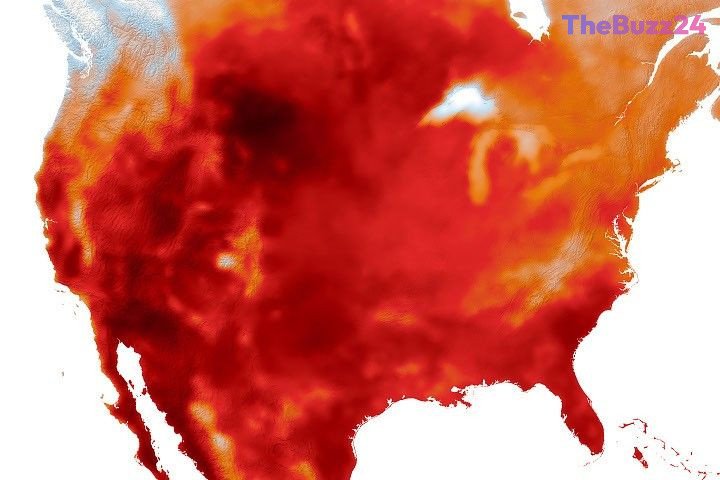
The Great Burn: Europe Faces Unprecedented Heat Crisis
Western Europe experienced a summer of historic extremes in 2026, as a series of relentless heat waves pushed temperatures beyond 40 degrees Celsius (104 degrees Fahrenheit). What began as an unusual early-season heat dome in May evolved into a recurring crisis, with five distinct heat waves striking the region by mid-August. These events were characterized by their intensity and duration, often persisting for weeks and failing to provide relief even during nighttime hours.
The impact on the region was profound, as infrastructure designed for milder climates struggled to cope. Highways and train tracks buckled under the thermal stress, while severe drought conditions—exacerbated by the heat—led to record-low river levels, disrupting power supplies, transportation, and agriculture. The environmental toll was further compounded by destructive wildfires that swept through areas previously unaccustomed to such blazes.
Public health officials reported a significant spike in hospitalizations and heat-related fatalities, with preliminary estimates suggesting approximately 10,000 excess deaths across nations including the UK, France, Germany, and Belgium. The crisis highlighted a critical vulnerability in European urban centers: a lack of widespread air conditioning. With only 23 percent of European homes equipped with cooling systems compared to 90 percent in the United States, the population remains highly susceptible to heat exhaustion and stroke.
Researchers are now calling for urgent urban planning reforms to mitigate future risks. Experts suggest that cities must prioritize the expansion of green spaces, the use of reflective building materials, and the integration of thermal mapping data to improve resilience. As demographic shifts continue to increase the number of older adults living in heat-prone areas, the need for targeted emergency preparedness and health system planning has become a global priority.
Key Takeaways
- Western Europe endured five major heat waves in 2026, with temperatures frequently exceeding 40°C (104°F).
- The lack of widespread air conditioning in Europe, combined with an aging population, contributed to an estimated 10,000 excess deaths.
- Infrastructure, including transportation and water supplies, faced significant disruptions due to the combination of extreme heat and prolonged drought.
Editor’s Analysis & Impact
The 2026 European heat crisis serves as a stark indicator of the growing mismatch between historical infrastructure and modern climatic realities. The economic and social implications are vast; the region faces a ‘cooling gap’ that will necessitate massive capital investment in building retrofits and urban redesign. From a market perspective, we expect a surge in demand for energy-efficient cooling technologies and heat-resistant construction materials. Furthermore, the insurance and agricultural sectors will likely face long-term volatility as extreme weather events become the new baseline. The broader implication is that European cities must transition from reactive emergency management to proactive, climate-resilient urban planning, or risk recurring public health catastrophes that disproportionately affect the elderly and vulnerable populations.
Frequently Asked Questions
Q: Why are heat waves more deadly in Europe than in the United States?
A: The primary factor is the lack of air conditioning; only about 23% of European homes have cooling systems, compared to 90% in the U.S., leaving residents with fewer ways to escape extreme temperatures.
Q: What are some long-term solutions to combat urban heat islands?
A: Experts recommend increasing urban tree canopy coverage, expanding public parks, utilizing reflective roof paints, and transitioning to building materials that do not retain heat.
AI Disclosure: This article is based on verified data and official reports. Our Team and AI have cross-referenced every financial detail with primary sources to ensure total accuracy.
More from this Category