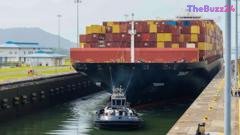
Panama Canal Imposes Transit Restrictions as El Niño Triggers Water Shortages
The Panama Canal Authority (ACP) has announced a significant reduction in daily vessel transits as the waterway grapples with severe water shortages. Starting September 15, the number of ships permitted to pass through the canal will be capped at 32 per day, down from the current limit of 36. This decision comes as the region faces diminished rainfall, a condition exacerbated by the ongoing El Niño climate pattern.
These operational adjustments are designed to prioritize the long-term sustainability of the canal while ensuring that water resources remain available for human consumption. The ACP noted that despite the onset of the rainy season and previous water-conservation efforts, the current environmental conditions necessitate further intervention to maintain service reliability. The phased implementation of these restrictions is scheduled to begin on September 3.
As a vital artery for international commerce, the Panama Canal facilitates the movement of approximately 14,000 ships annually, significantly shortening transit times between the Atlantic and Pacific oceans. The waterway serves as a critical economic engine for Panama, generating roughly $3 billion in annual revenue. With forecasts suggesting that this year’s El Niño could be among the most intense on record, the shipping industry faces mounting pressure as it navigates both environmental challenges and broader global trade disruptions.
Key Takeaways
- The Panama Canal is reducing daily vessel transits from 36 to 32 starting September 15.
- The restrictions are a direct response to low rainfall levels caused by the El Niño climate pattern.
- The measures aim to balance the needs of global shipping logistics with the necessity of preserving water for local human consumption.
Editor’s Analysis & Impact
The decision by the Panama Canal Authority highlights the growing vulnerability of global supply chains to climate-induced environmental shifts. As El Niño patterns become more frequent and intense, critical infrastructure like the Panama Canal faces a dual challenge: maintaining operational capacity while managing finite natural resources. This development signals a potential shift in maritime logistics, where shipping companies may need to account for ‘climate risk’ in their long-term scheduling and pricing models. If these restrictions persist or tighten, we can expect increased costs for goods moving between the Atlantic and Pacific, potentially contributing to inflationary pressures. The situation underscores the urgent need for infrastructure modernization and water management innovation in global trade hubs to mitigate the impacts of a changing climate on the world economy.
Frequently Asked Questions
Q: Why is the Panama Canal reducing the number of ships allowed to pass?
A: The reduction is necessary due to low rainfall caused by El Niño, which has depleted the water levels required to operate the canal's lock system efficiently.
Q: How does the Panama Canal use water for its operations?
A: The canal relies on a complex system of locks that use massive amounts of fresh water from local reservoirs to lift and lower ships as they transit between the Atlantic and Pacific oceans.
AI Disclosure: This article is based on verified data and official reports. Our Team and AI have cross-referenced every financial detail with primary sources to ensure total accuracy.
More from this Category